
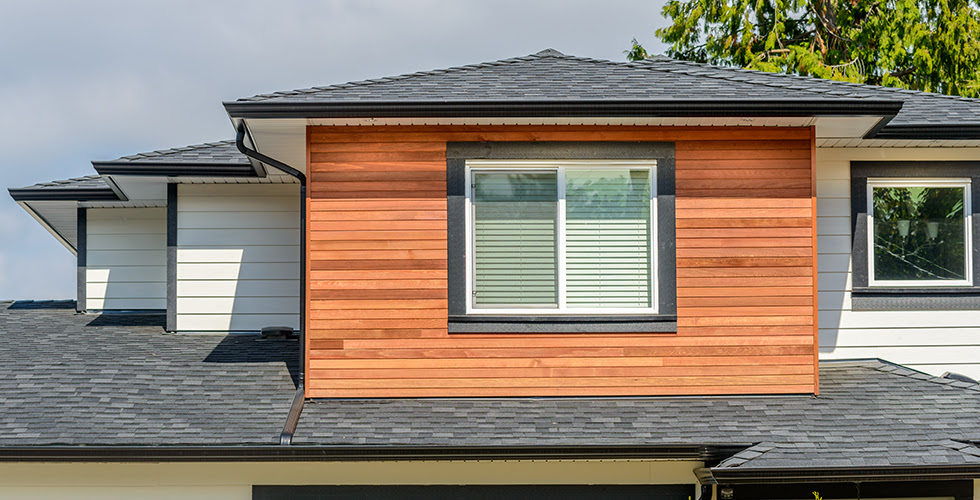
California’s wildfire seasons have changed what it means to own a home here. For homeowners who want wood siding, the stakes have never felt higher - and the legal path to get it done is rarely straightforward. CAL FIRE zone designations, code standards and product listings that change with every Title 24 cycle all have to line up. Plenty of homeowners run into unexpected roadblocks well before they ever pull a permit.
The category of code-compliant wood siding has actually expanded quite a bit. But most homeowners have no idea about it. Fire-retardant-treated lumber, thermally modified wood, and some especially dense hardwood species can all qualify under California’s ignition-resistance standards - as long as they’re specified and installed correctly. The options have their own considerations, and each of them performs a little differently based on your project.
A product still needs to be correctly listed and accepted by your local building department - you can’t take a product from a CAL FIRE-approved list and call it done. With the right product and the right paperwork, though, a wood exterior can stand up to scrutiny from inspectors and insurers - and you won’t have to give up the look that made wood worth it.
Let’s go through some of the best fire-rated wood siding options for your California home!
Why the State Requires Fire-Rated Siding
For building materials, California has its own set of standards - and wood siding is no exception. A big part of this goes back to something called the Wildland-Urban Interface, or WUI. These are the areas where residential neighborhoods sit right up against undeveloped land - and California has more of them than almost anywhere else in the country.
California ranks wildfire danger on a zone-by-zone basis through a system called fire hazard severity zones. The high fire hazard severity zones are where most of the focus goes, and they cover a pretty wide stretch of the state, from foothill neighborhoods in Southern California to wooded communities in the Sierra Nevada. If your home lands in one of these zones, the materials on the exterior are held to a stricter standard compared to what’s needed elsewhere.
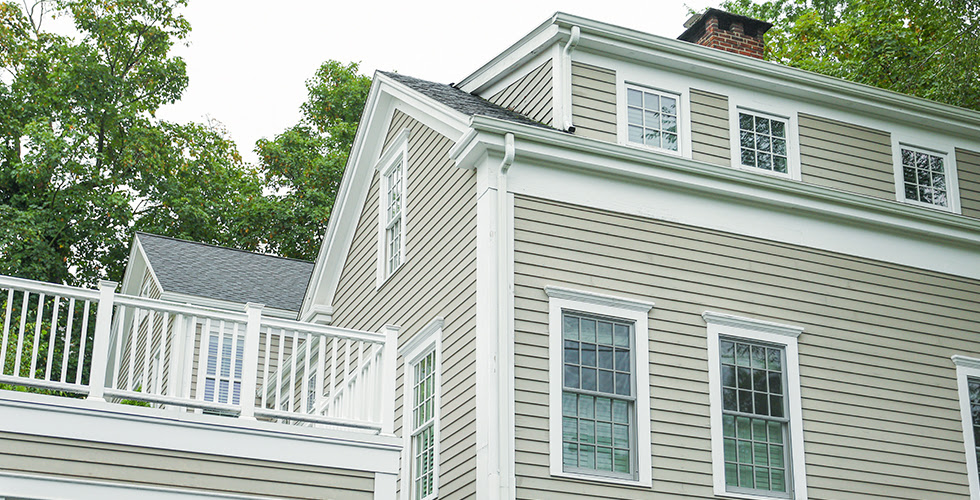
That higher standard comes from Chapter 7A of the California Building Code, which covers what exterior materials (siding included) are and aren’t allowed in high fire hazard severity zones. And it makes sense - homes in WUI areas are up against a whole different set of conditions than homes in urban neighborhoods.
Plenty of homeowners don’t learn that their property is in a WUI zone until they’re already well into a project - the permit application is in, the materials list is drafted, or a rebuild is already on the table. It doesn’t usually come up when you buy a home, so it tends to land at a pretty inconvenient point in the planning process. Look up your address on California’s fire hazard severity zone map before you shop for materials - that’s your best first move. And if you want a better sense of what that actually means for your project, your local building department can explain Chapter 7A and what it asks of you specifically.
What Fire Ratings Really Mean for Wood
Fire ratings are laid out in three tiers - Class A at the top, Class B in the middle and Class C for light exposure only. Most of the California fire zones call for Class A products at a minimum. With wildfire seasons that grow longer each year, that standard isn’t going anywhere anytime soon.
The two numbers that matter most are the flame spread index and the smoke development index. A low flame spread index means the fire moves more slowly across the surface of the material. When the smoke development index is low, less smoke accumulates in the process. Products that score well on both usually land in that Class A tier.
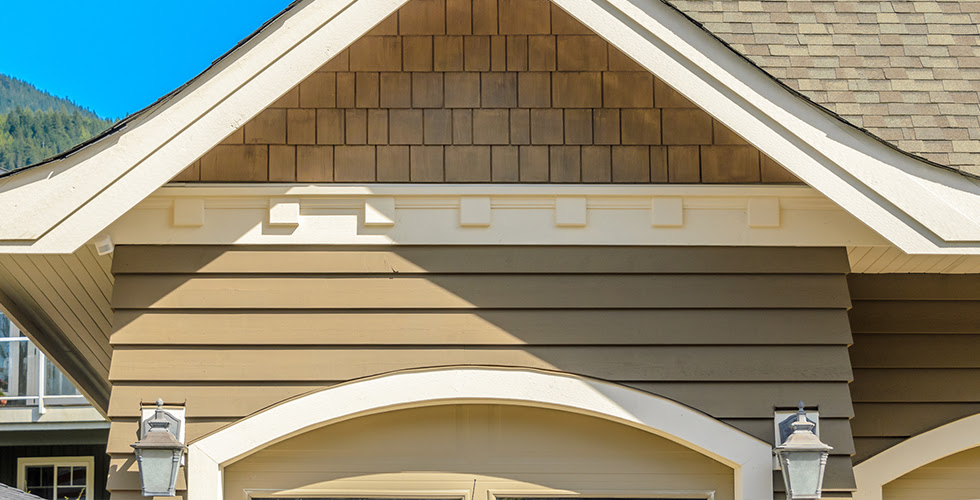
The label is where it gets a little more nuanced. A Class A rating tells you how a material performed in a controlled lab setting - which isn’t the same as how it holds up on a house, and it doesn’t account for installation gaps, damaged siding or embers that find their way into the corners and crevices around your home. The rating matters. But treat it as a starting point - not the final word on protection.
What that Class A rating is actually attached to matters quite a bit. Some products earn it on their own as a standalone material, and others only qualify as part of a tested system - one that calls for a particular underlayment or assembly to meet the standard. Before you settle on a product, take a few extra minutes to look past the label and see just how it was tested. The next section gets into fire-retardant-treated wood, which has its own set of specifics around how that protection is applied and how long it can hold up.
FRT Wood That Meets the Fire Code
Fire-retardant-treated wood (or FRT wood) starts out as plain lumber. But it goes through a pressure treatment process that drives fire-retardant chemicals deep into the grain of the wood. It’s what gives natural wood the ability to hit Class A fire performance ratings on its own without any added cladding or composite materials.
What the treatment actually does is change the way wood reacts to heat. The chemicals make it char slowly and self-extinguish instead of catching flame and letting it spread. The fire rating comes directly from that reaction - and for a product that’s still, at its core, natural wood, it’s a pretty clean outcome.
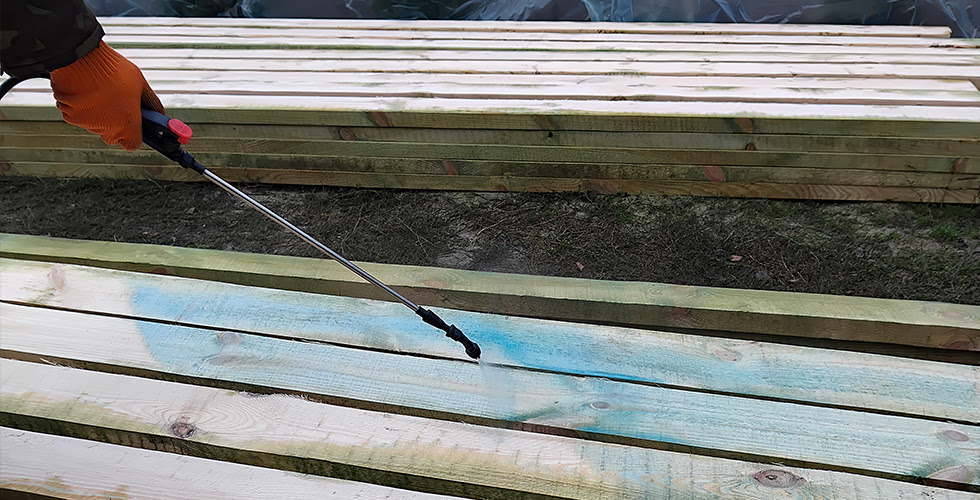
Southern yellow pine and Douglas fir are two of the most commonly treated wood options out there, mostly because their grain does a great job of absorbing the treatment chemicals. Cedar is available as well, which is great news for homeowners who want that more traditional California look without having to give up on performance.
Worth mentioning - the treatment doesn’t change how the wood looks at all. It still looks, feels and installs just like untreated lumber would. For siding projects where the whole point is about that natural warmth and character of wood, that detail matters.
The treatment is also built to last as long as the wood stays out of direct ground contact and away from any steady moisture - for above-grade siding, that’s hardly ever a concern. The chemicals bond directly into the wood fiber itself. Across a number of California projects and climates, that durability holds up well when the product is correctly spec’d and installed - which makes FRT wood one of the better ways to reach Class A performance without having to give up any of the look and feel of natural wood.
Heat Treated Wood Has a Natural Appeal
Thermal modification takes a very different approach to fire resistance than the chemical treatments we just covered - with no added chemicals involved whatsoever. With this process, manufacturers run the wood through an extremely intense heat process (sometimes above 400°F), which drives out the moisture and breaks down the natural resins deep inside the wood fibers. The end result is a denser and more stable material that’s much less likely to catch or hold a flame.
One brand name that comes up quite a bit in this category is Thermory. It’s a finished product made from thermally modified wood and has built up a pretty loyal following with homeowners who care about how their siding will look and hold up over the years. The heat treatment process gives the wood a deep and rich color that reads quite a bit more like a premium hardwood than your average treated lumber - and for buyers, that sort of visual quality ends up being a big part of what drives the choice.
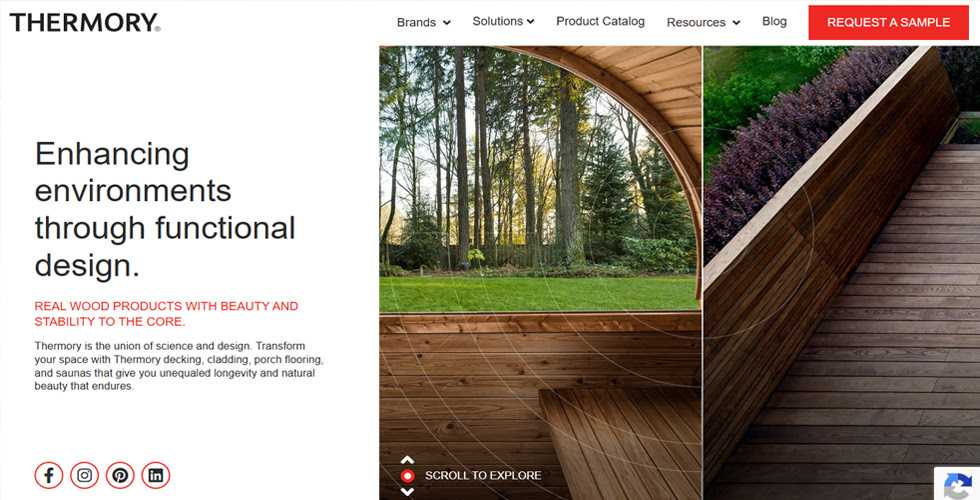
The appeal for homeowners is what thermal modification doesn’t have in it. No added preservatives and no chemical fire retardants - nothing but the heat. The whole process relies on high temperatures alone to change the wood, which means the final product is about as clean and natural as it gets. For anyone who cares about what actually goes into their home, that alone makes it worth a close look.
Thermally modified wood does improve fire resistance - it’s a benefit. What it won’t do is automatically check every box in California’s fire code all on its own. Each product in this category still needs to line up with what your local jurisdiction and the state’s WUI codes call for. Before you place an order, pull up the product’s official test data and make sure that it checks out against what your project calls for.
Embers Are the Real Threat to Homes
The right siding material is a great start and it does matter. The way a home is built and finished out (every joint, every edge and every intersection) counts just as much as what the siding is actually made of.
The teams that looked closely at the 2018 Camp Fire in Paradise and the 2023 Lahaina fire walked away with a finding that changed the way some of us think about fire protection. Most of the homes in those disasters were lost to ember intrusion. Embers traveled well ahead of the fire line and worked their way into the little gaps, vents and small openings in the building envelope. From there, they smoldered and eventually ignited.
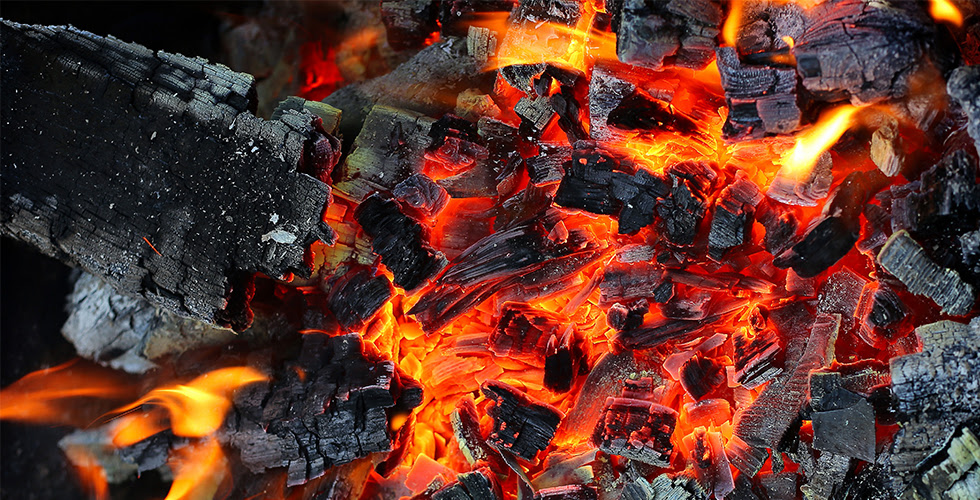
Fire-rated siding is only as strong as the installation behind it, and the material alone can’t manage that on its own. Even a high-performance product can be left wide open to failure when the gaps aren’t sealed, and the fit isn’t tight. Embers are tiny - small enough to slip through spaces that would pass a normal inspection.
Siding boards need to fit tightly together, and any gaps along edges, corners or trim intersections need to be filled with fire-rated materials. Anywhere that two surfaces come together is a possible entry point for an ember to slip in and quietly smolder for hours.
The layers behind and beneath the siding matter just as much as what you can see on the surface. Soffit vents, weep screeds and the air cavity between the siding and the wall assembly all need to have reliable ember-resistant coverage to support what the exterior cladding is doing out front. A home where those details are handled well is in a much stronger position than one with premium siding sitting on top of a careless installation.
Fire-Rated Wood and the Other Options
Fiber cement is one of the more popular materials homeowners go with when fire resistance is the top priority. It comes with a Class A fire rating built right in; no extra treatment needed, no added steps, and it holds that rating for years with minimal care. It’s a pretty reliable choice for anyone who wants to feel confident about the safety side without much maintenance.
With that said, fiber cement is not wood and doesn’t have the same grain, depth or warmth that wood siding has. No matter how much effort a manufacturer puts into the texture, it still looks like a different material up close - and that ends up being a dealbreaker for homeowners once they’ve actually seen the two options side by side.
The cost difference between these two products has a few layers to it. Fire-rated wood siding costs more up front, and it’ll still need some maintenance money over the years. Fiber cement is a bit easier on your wallet long-term.
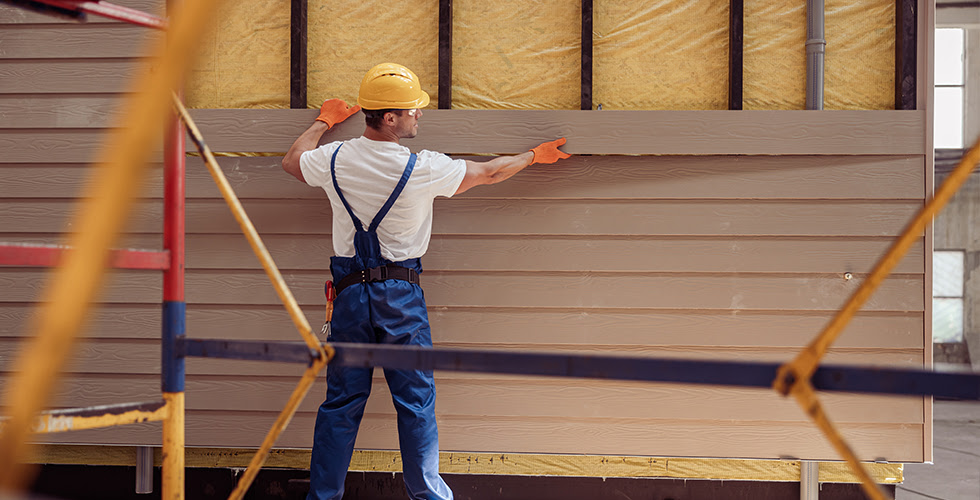
Homeowners start out with fiber cement at the top of their list and understandably so - it checks boxes on paper. That can change when they visit a showroom or get a look at a finished project in person. Wood siding does something to them. The grain, the weight and the feel of the material - none of that translates through photos or spec sheets.
Neither of these materials is the wrong answer here. The question is what you care most about in a siding product and where your home falls on California’s fire zone map. Put those two factors together, and you’ll have a much better sense of which way to go.
Pick the Siding That Works for You
The right fire-rated wood siding is a pretty personal choice - what’s a great fit for your neighbor’s place might not even be an option for yours. Your fire zone classification is a place to start. Not every product is approved for every zone. Your local building department may also have its own requirements that go a step beyond what the California state code already lays out.
That second part deserves a bit more attention. Local jurisdictions are allowed to layer their own laws on top of whatever the state already requires. That means a product that’s just fine in one county might not be allowed in the next one over.
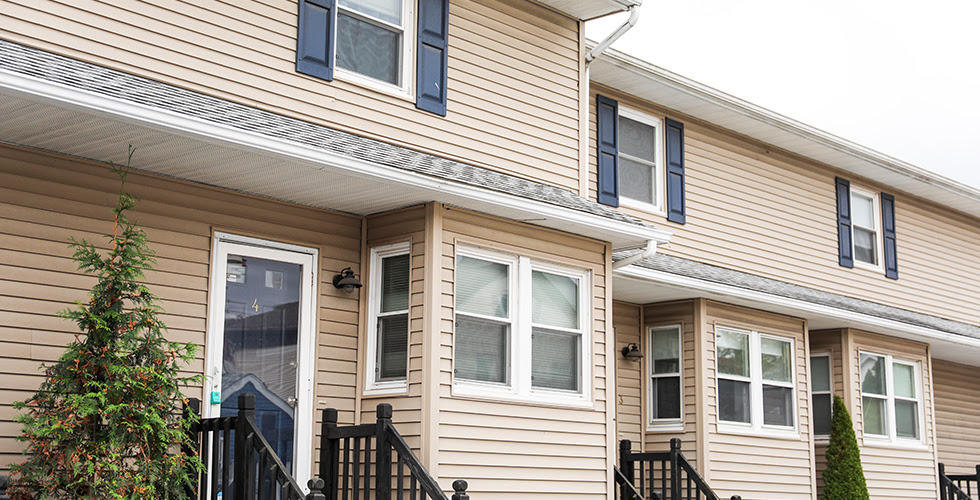
Your budget and how long you actually plan to stay in the home matter just as much as the fire rating itself. A treated wood product with a shorter re-treatment schedule can make sense for a person who plans to sell in five years. For a person who is building a forever home, a more heavy-duty option is probably the better long-term investment. Neither path is wrong - it just depends on what you’re working toward.
HOA laws are another layer to look into early. Some associations have pretty strict policies about what siding materials are allowed to look like on the outside of a home. Those laws can narrow your options even if a product meets every fire code standard out there. Get written HOA approval before you buy anything - it protects your time and your money. From there, a quick conversation with a licensed contractor who knows your fire zone well can point you toward the right product and installation specs.
Build Something Extraordinary
Fire-rated wood siding in California is more than a layered set of decisions where each one builds on the last. The right answer will look a little different for everyone, and it can depend on where your property sits, what your budget allows and what you actually want your home to look like when everything is done. The great news is that actual wood is still very much a viable option for most homeowners - even in the most demanding fire zones. The products that are available have come a long way, and so has the knowledge of how to install them correctly.
A safer material doesn’t have to mean living with something that you feel lukewarm about every time you pull into the driveway. The whole idea that fire resistance and beautiful wood siding somehow can’t coexist is more of a persistent myth than anything else at this point. With the right product, a reliable contractor and a bit of patience with the approval process, you can have a home that checks the right boxes - something that satisfies the building department, keeps your insurer happy and still has the exterior that made you want actual wood.
So if you’re ready to look at your material options, House of Hardwood is a great place to have that conversation. Our team works with homeowners, contractors and designers all across the region, and we carry a number of lumber and siding products. That includes options built to meet California’s fire code. No matter where you are in the planning process, a visit to the House of Hardwood yard on Wellesley Avenue is worth the trip. Bring your project plans and let our team help you find the right fit.