
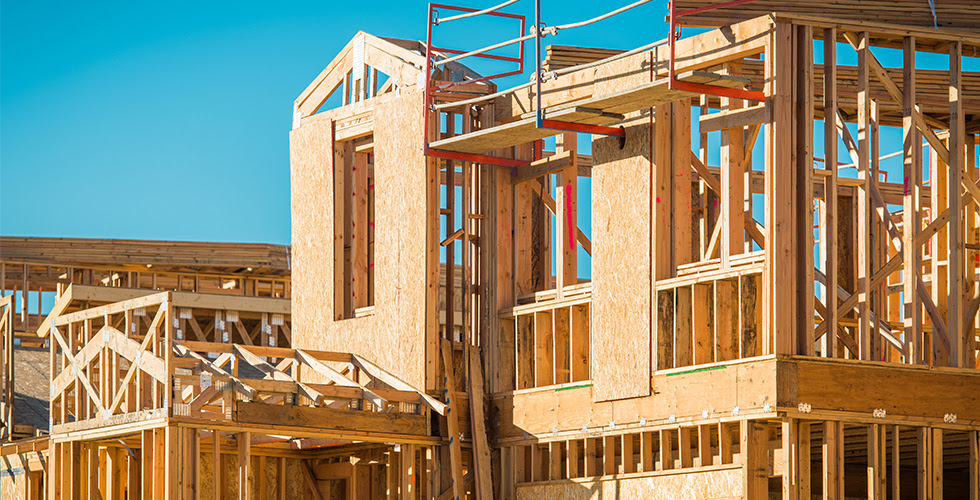
The January 2025 Palisades and Eaton fires tore through entire neighborhoods across Los Angeles in a matter of hours - with more than 18,000 structures lost and over 200,000 residents forced out of their homes. For anyone in a high-fire-danger region like Southern California, the wood that you pick for a deck, a fence or exterior siding can be what decides whether your home is still standing after the next one.
Most homeowners rebuilding in LA never planned on becoming amateur experts in flame spread indices and wildland-urban interface codes. It's a bit of dense material to absorb all at once, and the permitting under the 2025 California Building Standards Code is only longer. With the added pressure to rebuild as fast as possible, the right materials are usually the first to get rushed - or worse, pushed aside altogether. That combination is where the most expensive mistakes usually happen.
The wood species that you pick is one of the biggest decisions in the entire rebuild process, and it's not one to take lightly. Get it right, and your home will have a dramatically better chance of making it through the next Santa Ana wind event.
LA homeowners who get their material picks locked in early usually finish with fewer problems (and fewer regrets) by the time the project is done. I'll talk about what actually matters about fire-resistant wood so you can go into the build feeling confident and prepared.
Let's find the best fire-resistant wood to protect your LA home!
The Best Fire-Resistant Wood for LA Homes
The 2025 Palisades and Eaton fires wiped out thousands of homes across LA, and the rebuilding effort is already well underway across some of the most fire-heavy land in the entire country. Los Angeles sits right at the edge of what city planners call a wildland-urban interface zone - where residential neighborhoods and dry wilderness are packed right up against each other. Most other cities don't have to face that, and it puts LA in a tough situation. The Santa Ana winds make it even harder (they can push live embers for miles ahead of an active fire), and it's a problem that's very hard to manage.
Wind-driven embers deserve close attention. They can work their way into vents, land on wood decks, and build up against fences and siding - all well before a fire reaches your front door. In dense hillside neighborhoods where homes are packed together, and vegetation fills every gap, those embers have no shortage of places to catch on.
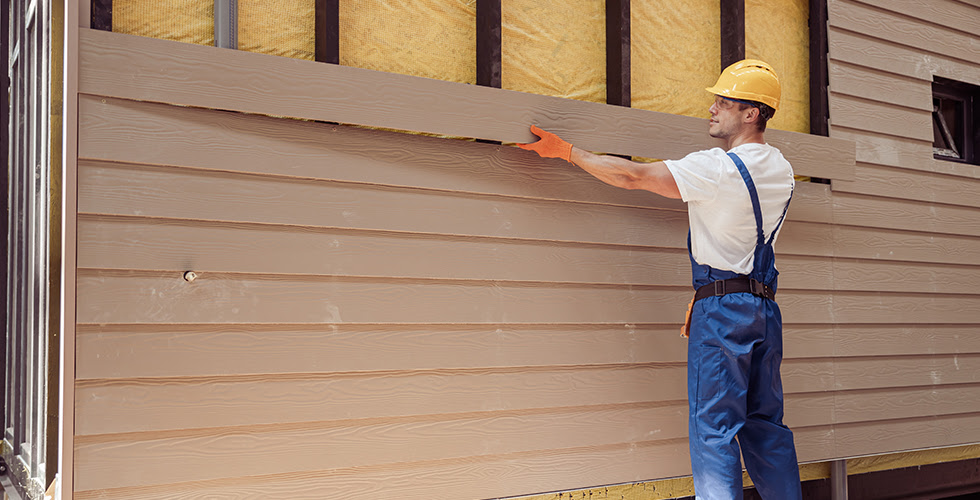
In a city like LA, the materials that you choose for a rebuild or a renovation carry far more responsibility than they would elsewhere. Wood is still one of the most popular materials in residential construction - it's not going to change anytime soon. What does change is how different wood species hold up when a fire gets close - that gap in performance matters a great deal when you're building in an area like this.
Some species are dramatically more heat and flame-resistant than others, and a handful of them are already approved under California's strict fire codes. Going into a project with the right species list already in hand puts you in a much stronger position before you ever break ground.
What Wood Fire Ratings Actually Tell You
Before we get into which wood types to look for, it's worth a quick look at how fire resistance actually gets measured. The building industry uses a letter-based rating system (Class A, B or C), and each grade tells you how well a given material holds up when it's directly exposed to fire.
Class A is the strongest fire rating available. A material with a Class A rating is very slow to ignite, and it does very little to let flames spread across its surface, which is what you want. Class C lands on the opposite end of that scale and gives you much less protection.
Connected to that rating is something called the flame spread index - a number that tells you how fast fire travels across the surface of a material, as measured against a standard reference point. The lower that number is, the more slowly fire spreads across it, which makes it a much safer material to work with.
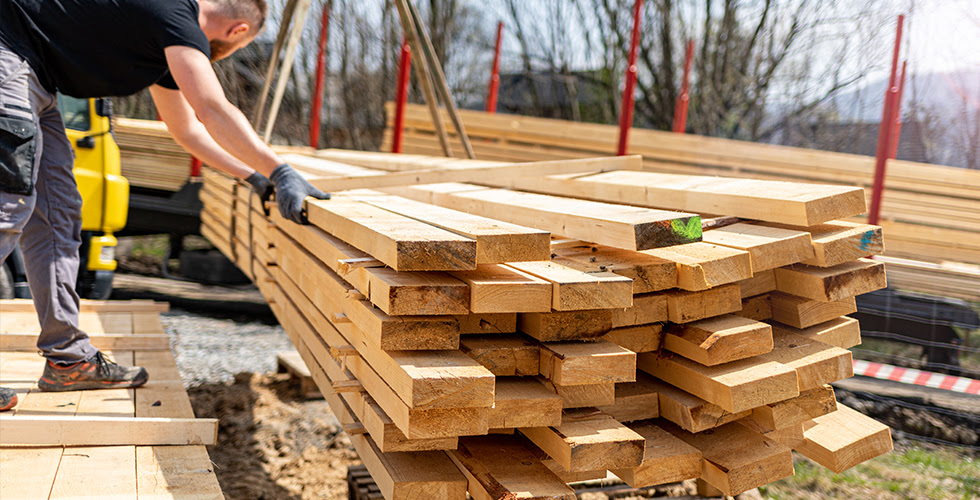
The main point to know before a rebuild is that a large chunk of the wood that you'll find at most hardware stores has never been tested or rated for fire resistance at all. A natural material doesn't get a fire resistance rating by default. That evaluation has to happen, and most of the time it doesn't. Before any decisions get made, it's worth a direct question to your supplier about whether the wood has a published rating. This tends to be the part of the process that gets skipped the most in my experience.
The rating system also connects directly to California's building codes for fire-prone areas. Some familiarity with these terms will go a long way when you sit down with a contractor or look over a material spec sheet. If you're planning an outdoor structure, it's also worth reading up on whether your wood deck will pass a California fire inspection.
Natural Wood Species That Are Fire Resistant
California Redwood is one of the most fire-resistant natural wood options that you'll find for an LA home. The bark alone is thick enough to work as a genuine physical barrier against heat, and its low resin content means there's very little fuel for a fire to feed on. For exterior applications like siding and fencing, especially, it's one of the strongest natural wood options on the market.
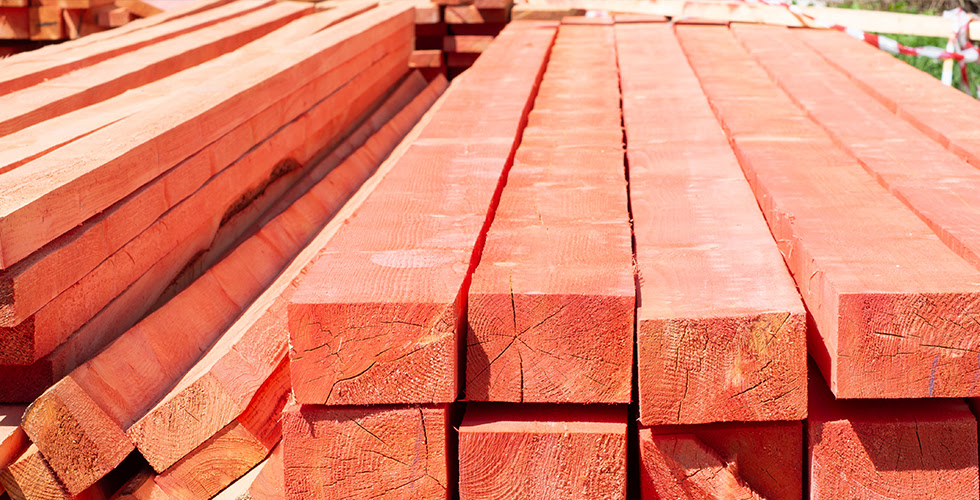
Ipe is a wood that's well worth a look. It's an extremely dense tropical hardwood. That density alone is what gives it near-Class A fire performance - with no chemical treatment needed. Plenty of homeowners go with it for decking because it stands up to direct sun, heat and the day-to-day wear well over the years.
Not every hardwood actually shares these properties. That distinction matters. A common assumption is that hardwood automatically means it's fire-resistant - it's just not accurate. Plenty of hardwoods have high resin content or a more open grain structure that can help fire spread faster. The species matters far more than the general category it falls into - it's a detail that homeowners never think to question.
Redwood and Ipe get their fire resistance from their own natural chemistry - no treatments, no modifications and nothing added. For most homeowners, that's a big deal (it's also the case when low maintenance and long-term durability are the goal), and in the LA climate, they are. Chemically treated or modified woods are a separate conversation altogether. Within the natural wood species, these two are hard to beat.
For a new build or a rebuild after fire damage, either one of these is a great place to start. Redwood is usually easier to source and a bit more budget-friendly for bigger surfaces like fencing and siding. Ipe is extremely dense, and that makes it a fit for decking and areas that see plenty of weather and wear. There's quite a bit to like about each one, and either would be a strong choice.
Why Heat-Treated Wood Is Worth a Look
Heat-treated wood is getting attention in the LA rebuild, and it's not hard to see why. Products like Kebony and Accoya go through a process that changes the wood at a cellular level - it draws out the sugars and moisture that fire needs in order to take hold and spread. What you're left with is a denser and more stable material that just doesn't catch fire anywhere near as fast as plain untreated timber does.
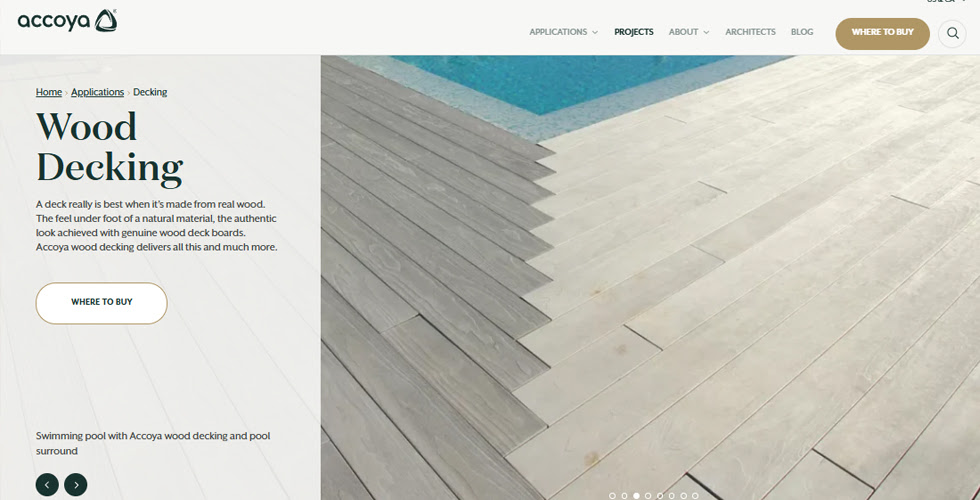
The process is called thermal modification. Wood gets heated to extremely high temperatures inside a low-oxygen environment, which reshapes its internal structure - with no added chemicals involved. That distinction matters because it means the fire resistance is built directly into the wood itself instead of layered on as a coating. A surface treatment can wear down or get scratched off. But with thermal modification, there's nothing on the surface to lose.
LA homeowners have taken to these products, and the appeal makes total sense - they want the natural wood look without any sacrifice in performance. Thermally modified wood delivers on that. It still looks and feels like real wood, takes stains beautifully and holds up great in just about any outdoor conditions.
For a home in a climate that swings from dry heat to coastal humidity, that's a benefit.
For anyone in a high-fire area who's still on the fence between materials, thermally modified wood is well worth a look - it won't demand nearly as much maintenance as traditional wood does, and it doesn't carry that hollow synthetic feel that most composite options always seem to have. In my experience, it's one of the rare premium materials out there that actually justifies the price.
How Fire-Retardant Treatments Add a Layer
The right wood species will give you a head start. But on its own, it'll only take you so far.
Fire-retardant treatments (usually called FRT) are chemical compounds designed to slow ignition and limit how fast flames can travel across a wood surface. Most products on the market use either borate-based or phosphate-based compounds. They can be applied through pressure treatment or directly to the surface. There are interior and exterior formulas out there. For outdoor use in LA, the phrase that you want to see on any product label is "exterior-rated." Plenty of FRT products just weren't built to hold up against moisture and UV exposure - which is why that label matters when you're shopping.
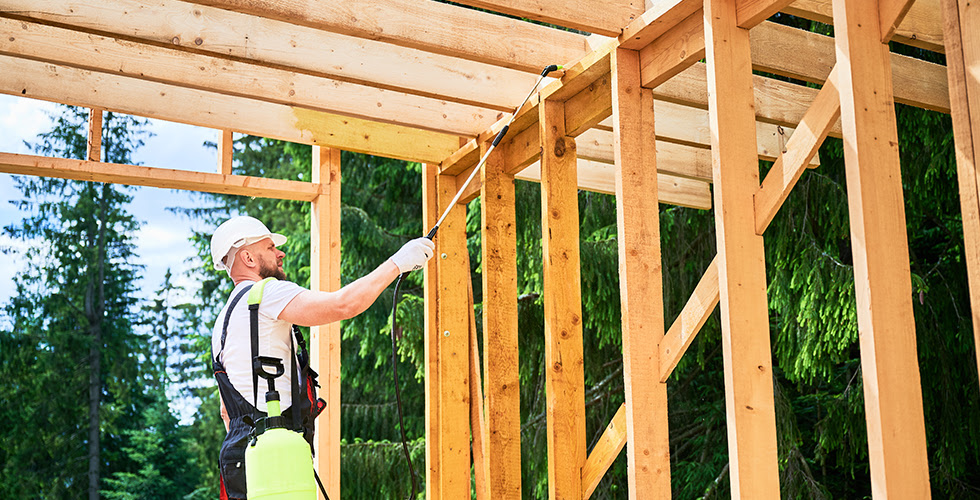
This matters quite a bit more in Los Angeles than it used to. LA County has been steadily tightening the standards around high-fire-hazard severity zones. Verified flame-spread ratings on exterior wood have become something that inspectors are checking for. A lumber yard can, of course, sell you a fire-resistant species (Western Red Cedar, Redwood or whatever fits your project), but without a documented treatment rating to back it up, that wood might not actually meet what an inspector is looking for on paper. A lot of the time, the wood gets ordered, and the contractor builds it without the FRT conversation ever coming up - usually because nobody mentioned it was a separate choice to make.
The upside is that FRT works on top of fire-resistant wood species - it gives you another layer of protection without undoing anything that you've already got working in your favor. The species that you choose still matters quite a bit, though. A fire-retardant treatment is more of a complement than a standalone fix - and in a high-fire-danger area like LA, that extra layer of protection matters.
The New Rules for LA Fire Zones
California's building codes changed quite a bit after the 2025 fires, and if you're rebuilding anywhere in LA County, the updated requirements are well worth learning about before you spend a single dollar on materials.
A large portion of LA County falls within what's called a Wildland-Urban Interface zone - a WUI zone, if you've heard the term before. These are the neighborhoods that sit right up against wildland and dry brush and the state already held them to a stricter standard than the rest of California. That difference between WUI areas and everywhere else has only grown wider since 2025.
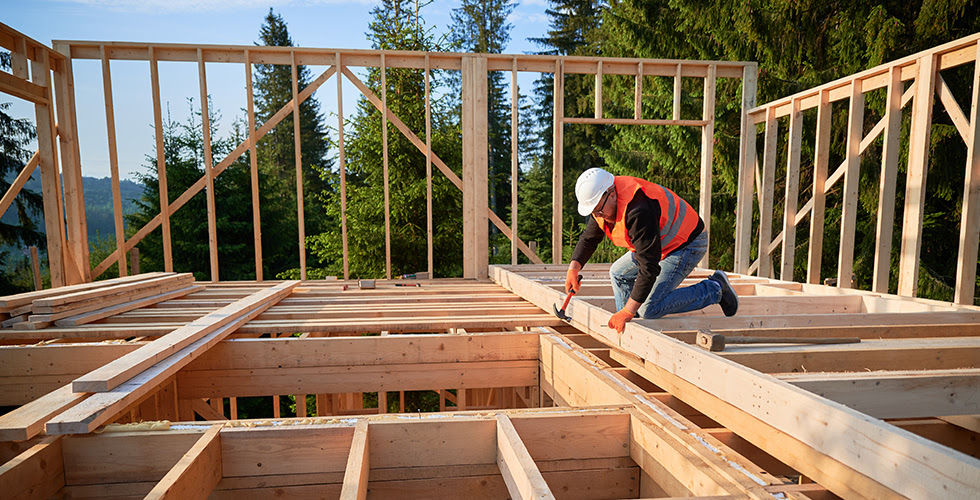
With exterior structural elements like decks, siding and framing, the updated California Building Code puts weight on documented fire-resistant materials. Inspectors want to see that paper trail, and it needs to be airtight. Without the right documentation, approvals can stall, get sent back or fall through completely.
For homeowners, this tends to be the most frustrating part of the whole process. Permits now need a mountain of documentation, a fair amount of back and forth with the city and a whole lot of patience. A big part of that comes from the fact that the updated codes haven't sunk in yet - not for contractors, not for inspectors and not for just about anyone in the chain. No one has it all figured out just yet, and homeowners are usually the ones who feel that the most.
The upside is that the right wood species, chosen from the start, cuts out that friction - it won't make every paperwork headache disappear (nothing will), but it does remove one of the more common reasons that permits stall. At this stage of a rebuild, that head start is worth quite a bit.
Pick the Right Wood Species for Your Home
The right wood for your LA home actually starts with two honest questions. The first is where your home is located, and the second is what fire hazard severity zone it falls under. Those two answers alone will narrow your options down considerably.
New construction is the best scenario - it leaves you with the most flexibility to get everything right from day one. A retrofit on an existing home is still well worth doing - you'll just work around a few constraints that a new build wouldn't have. The end result is the same either way - it's just a matter of how you get there. On the cost side, a species that runs a bit more up front but holds up longer is usually the better investment - especially in areas with a higher fire hazard where the pressure on your materials is steady and never lets up.
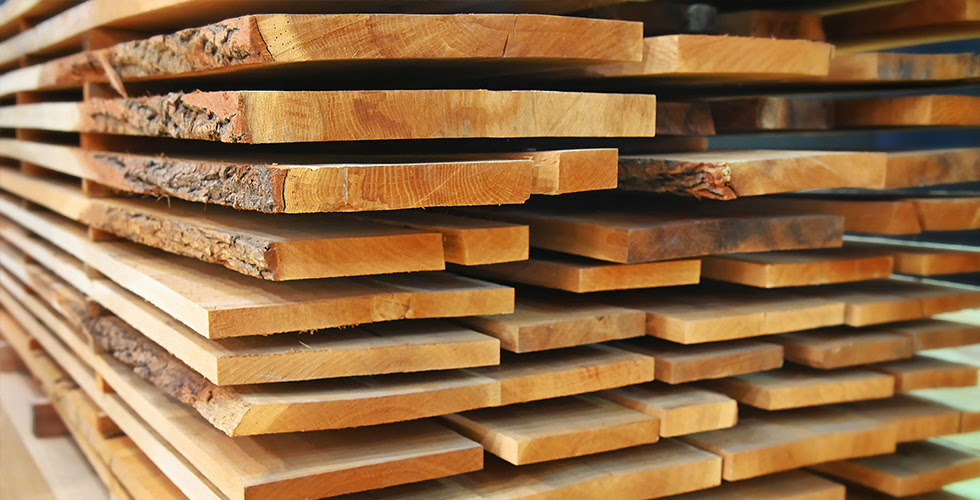
No single part of this does the job alone. That matters. The species, the treatment and whether the installation is compliant with the latest LA code - all three have to work together to give you helpful protection. Pull any one of them out, and the other two will lose their value. Putting too much weight on which species to use while letting the treatment side slip ends up undercutting everything else. If you're also thinking about custom wood countertops or wood paneling and wainscoting as part of your build, the same principle applies - species and treatment both need to be right for your zone.
Before you lock anything in, pull up your zone designation and have a direct conversation with your contractor about which wood species and treatment combinations meet code for your area. A conversation grounded in your own home, your own location and your zone is where you make a well-educated choice. Generic advice can only take you so far - the specifics of your own situation are what matter most.
Build Something Extraordinary
The news is that species choice, treatment and code compliance aren't actually three separate problems to solve - they're all part of one connected process. Approach it that way, and each choice tends to support the next one instead of creating more problems down the road. When all three pieces line up correctly, the whole project starts to feel more manageable, and the finished home will be in a much better position to hold up when the next fire season comes around.
LA homeowners are putting far more care into these rebuilds than they used to. That change has been great to see firsthand. The questions are harder, the research goes deeper, and the long-term perspective has shifted quite a bit from where it was before. Homeowners are thinking past the build itself and focusing on what the home is going to need to hold up well over time. That matters - and it comes through in the quality of decisions being made on job sites all across the region.
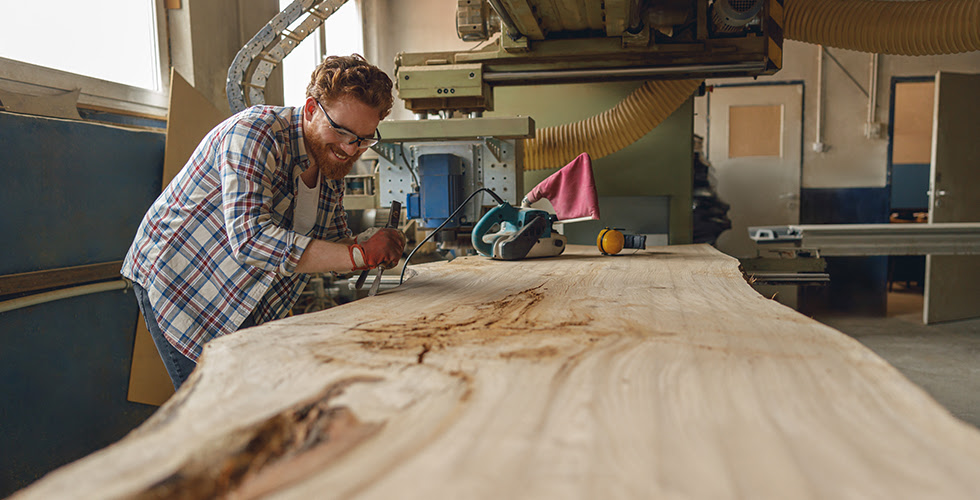
At House of Hardwood, we're ready. We're very familiar with fire-resistant species, and we know what it takes to build in the Los Angeles area - the local codes, the fire safety standards, everything. We also carry a wide set of premium lumber that's a great fit for the project that you have in mind. Whether you need to move fast or are still in the early stages of planning, we'll help you figure out the right materials and get them to you. Come walk our yard on Wellesley Ave and see the material in person, or stop in and talk through your options with our team - we know the local codes inside and out, and we'd love to be part of it. Come find us and let's build something that lasts.