
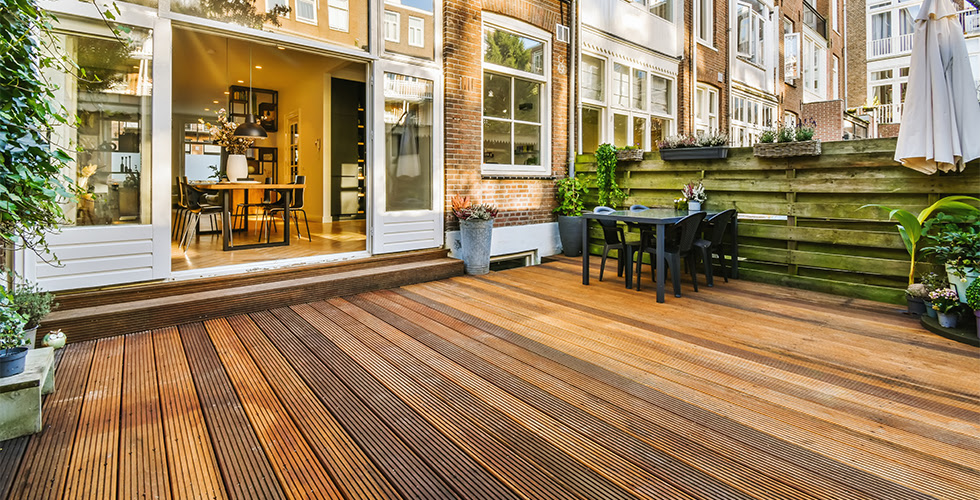
For most California homeowners, fire inspection prep sits pretty low on the priority list - right up until it doesn't. A letter from a local fire agency, a question from a buyer's agent, or a message from an insurance carrier can take a deck that's looked just fine for years and turn it into a liability almost overnight. That pressure (the need to get compliant fast and with no roadmap) is something property owners in the high-hazard parts of the state run into more than they'd like.
A deck that was built ten years ago and passed inspection at the time might not hold up under the latest California Building Code - that's especially the case out in a High or Very High Fire Hazard Severity Zone. The zone that a property sits in ends up being a factor because it dictates which standards even apply to your deck - and in some cases, it's the first detail that tells you if a standard wood deck has any chance of passing.
It's also worth knowing that fire hazard zone designations can change over time. A property that wasn't in a designated zone a few years ago may well be in one now, which means the deck that you've had for years could fall under standards it was never built to meet.
Let's get started with what California fire inspectors look for in a wood deck.
Find Out the Fire Zone for Your Home
California's fire safety laws can vary quite a bit from one area to the next - your home's location alone can change what inspectors will want to see and what your deck needs to pass code.
Two classifications come into play here. The first is the High Fire Hazard Severity Zone - the state rates them as either "High" or "Very High" based on local vegetation, wind patterns and the area's fire history. The second is called a Wildland-Urban Interface zone (or WUI zone), and it covers developed neighborhoods that sit directly up against wildland areas like forests or open grassland. Homes in WUI zones are usually held to some of the most demanding fire safety standards in the entire state.
Before we get into the materials, construction or any of the build details, you want to first find out which fire zone your property falls under. CAL FIRE has a free online map where you can just type in your address and pull up your zone classification in a few minutes. It's a quick step - and a big one.
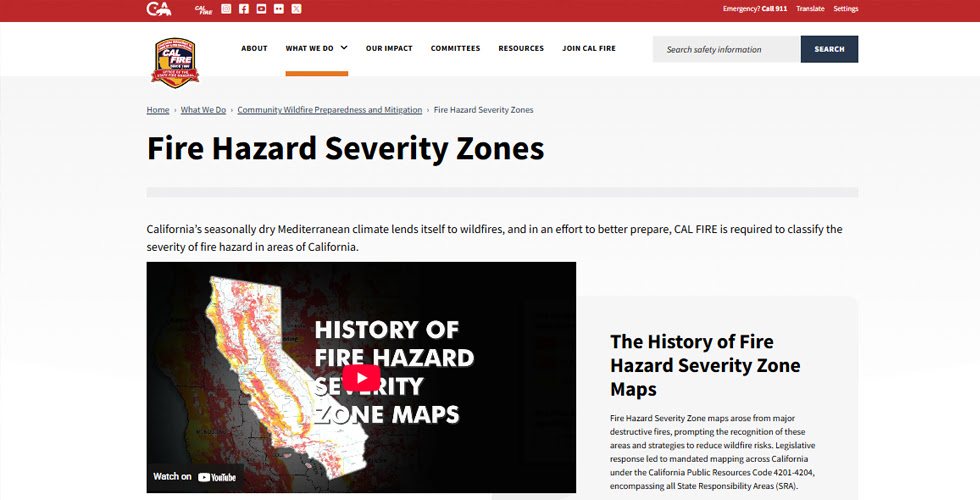
For a deck project in California, your fire hazard severity zone classification carries real weight. The standards in High and Very High Fire Hazard Severity Zones go well past what you'd run into in less hazardous areas of the state - and a wood deck that passes inspection just fine somewhere else in California might not hold up here. A non-compliant build that gets caught mid-project is expensive and very avoidable, so nail down your zone classification before anything else. With that locked in, the rest of the process gets a whole lot easier to work through.
What Fire Zone Rules Mean for Your Deck
California's Building Code Section R337 is the part of state law that governs deck materials in higher fire-danger areas - it covers which materials pass and which ones don't. Before you spend a dollar on anything, it's worth taking a bit to know what that section says.
In high fire-danger zones, the building code calls for materials that are either ignition-resistant or noncombustible - and untreated wood doesn't qualify on either count. Traditional decks fall short of what's needed, and that puts quite a few homeowners in a pretty tough position.
Wood decks are where this starts to get tough. Standard lumber catches fire and burns extremely fast - it's the problem this part of the code was written around. The whole goal is to slow down how fast fire can take hold and jump from one structure to the next. A deck that ignites fast is just a way for fire to move across your property.
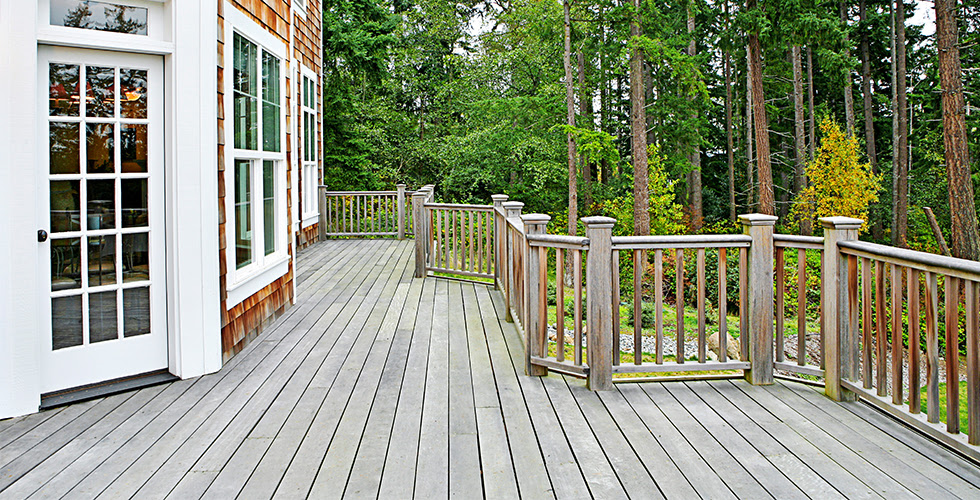
That said, not every wood deck is automatically off the table. The material itself matters more than how something looks, since a number of treated and composite wood products have gone through official fire-resistance testing and have earned legitimate ignition-resistant ratings. Section R337 draws a line between products that have been formally tested and certified versus those that haven't gone through any testing at all.
I see this come up pretty regularly. Homeowners figure that because their deck has held up for years, it's enough to meet code - but age and condition aren't what the code is asking about. If your deck was built with untreated lumber and your property sits in a high fire-danger zone, the code is very likely not going to work in your favor. The smartest first move is a quick audit of what materials you're actually working with - and it helps to know which fire-resistant wood species perform best in situations like yours.
What the Inspector Checks on Your Deck
An inspector will get up close and actually look at the condition of the wood itself - cracks, rot, dry patches and splintered surfaces are all on the checklist. Damaged wood is far more likely to catch a spark than wood that's in decent shape, and the difference matters quite a bit when fire conditions are right. Even small surface cracks and dried-out grain can be all that it takes to let a fire take hold.
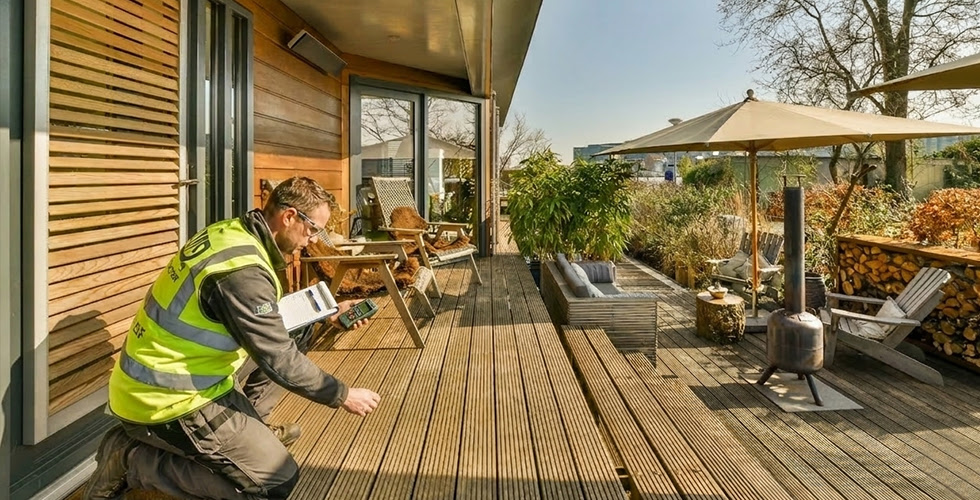
The underside of the deck deserves a close look as well. Leaves, mulch and dry twigs can pile up in that space between the ground and the deck floor, and the little dead zone deserves serious attention.
The inspector will also look at how close your deck sits to the main structure of your home, and they'll want to know if any of the materials in the build have a fire-resistance rating. Not every component has to be fireproof (that's an unrealistic bar to set for most homes), but some parts of the deck do need to hit a minimum rating. The exact rating will depend on what fire zone your property is in, so it's not a blanket standard that applies to every property. Try to have that information ready before the inspector arrives.
It helps to know what triggers an inspection. A home sale is probably the most common reason. But it's not the only one. Your insurance provider will sometimes ask for their own review as a direct condition of your coverage. And local fire agencies in fire-prone areas run sweeps on their own schedule - which means your deck could get a visit from an inspector even if you have no plans to sell. If you're unsure whether your current decking holds up, it may be worth reviewing whether teak or ipe is the right fit for your outdoor deck before that conversation happens.
Why Standard Wood Fails the Fire Test
If your deck was built with standard lumber, there's a chance it won't pass a fire zone inspection. California's fire codes specifically call for ignition-resistant timber, and most off-the-shelf wood (even the pressure-treated kind) doesn't come close to meeting that standard. Plenty of homeowners think the two terms fall into the same category, and that's an understandable mix-up - they're two very different materials made for very different jobs.
Pressure-treated lumber was built to hold up against rot and insects - fire resistance was never part of that design. California home inspectors know this, and they test for it every time. No matter how sturdy or well-maintained your deck looks, if the wood isn't rated as ignition-resistant, it's going to fail that portion of the inspection.
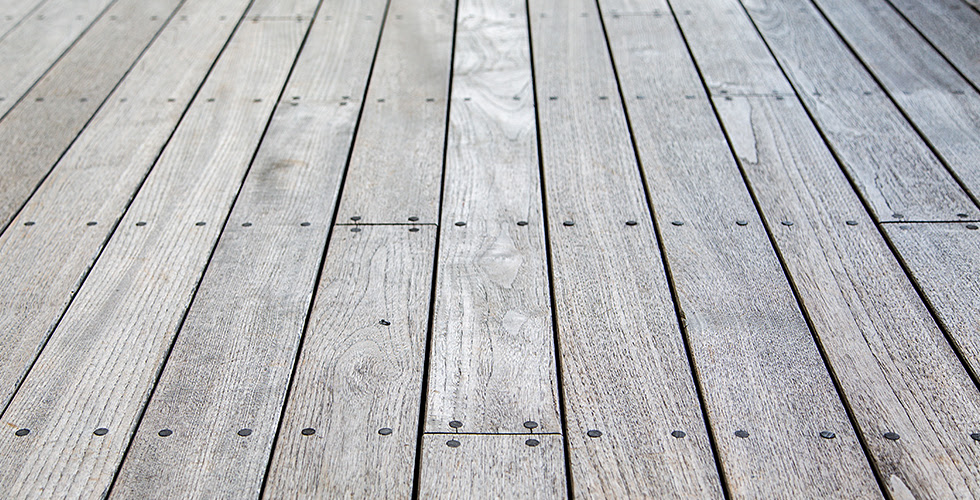
Homeowners with older decks find themselves in this exact situation, and it can be a legitimately frustrating one. Building codes from ten or fifteen years ago were more relaxed than they are now, and a deck that passed inspection back then might not meet current standards. None of that means the workmanship was bad or that the materials were wrong for the time - the standards have just changed.
The hard part is that the deck can look fine - well-maintained with no structural problems whatsoever. When an inspector flags it in that situation, that can seem pretty unfair. From what I've seen, that frustration makes sense. The problem is what the wood itself is made of and how it holds up against heat and flame - it's the part of the code that homeowners only find out about once they're already well into a project. If you're weighing your rebuild options, it's worth looking at termite-resistant hardwood species that also bring added durability to the table.
Wood That Can Pass a Fire Test
There's no reason to walk away from wood if you love the look of it. California recognizes some wood products as approved for use in high fire hazard areas - and that gives you quite a bit more to work with.
The two main categories to know about are ignition-resistant timber and fire-retardant-treated wood. Ignition-resistant timber is wood that either grows with built-in fire resistance or has been mechanically processed to slow down how fast it catches and spreads a flame. Fire-retardant-treated wood goes through a pressure-treatment process that forces fire-resistant chemicals deep into the wood fibers themselves - and the two of them behave a bit differently once a fire gets going.
What separates these products from plain lumber is how they hold up under standardized fire testing. For a wood product to earn a fire-rated designation in California, it needs to pass certifications like ASTM E84 - a test that measures how fast a flame moves across the surface of a material. Wood with a passing score burns more slowly than it otherwise would, and that alone gives fire way less of a chance to take hold and spread.
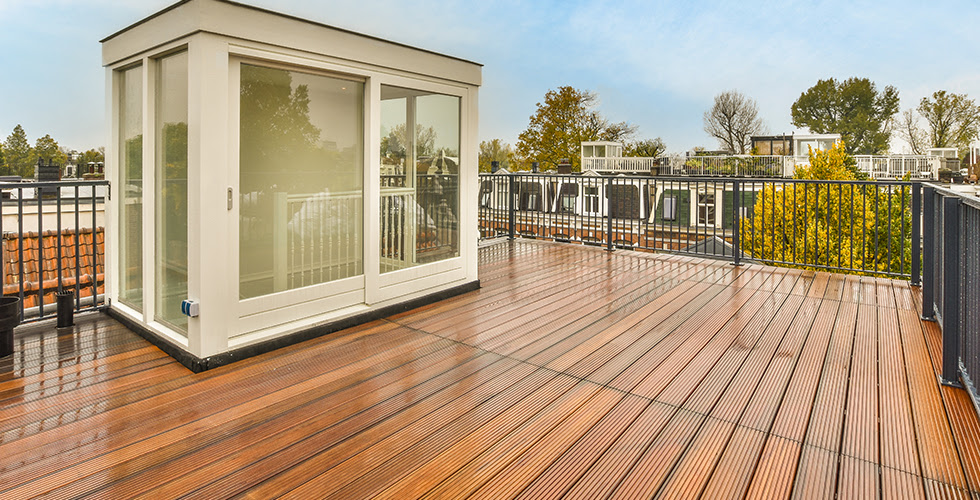
There's some welcome news for homeowners in a fire hazard zone who have written off a wood deck as a non-starter. Wood doesn't have to be off the table - it just depends on the type that you choose. Some products that carry California's ignition-resistant classifications give your deck a decent shot at passing an inspection and hold up quite well over time.
Double-check that whatever material you've chosen actually carries the right fire rating for your project before any work gets started. Not every wood product labeled as "treated" will automatically meet California's fire standards - and this difference can create real problems when you're moving through the permitting process.
How the 2020 Fires Changed the Rules
The 2020 wildfire season burned over 4 million acres across California - the largest fire season on record for the state. Lawmakers and insurance carriers alike came out of it with a much stronger interest in home hardening than they'd had before.
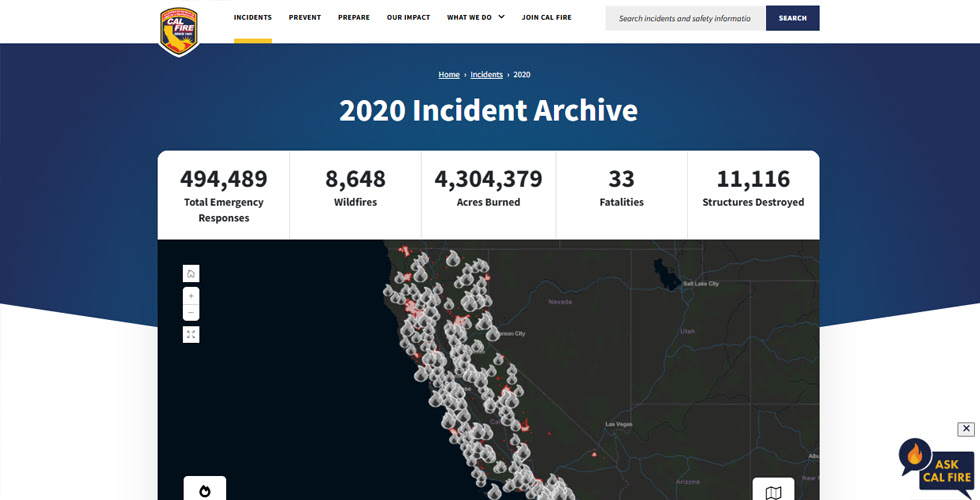
The standards themselves weren't all that new. California had had fire-resistant building standards on the books for years before any of this came up. The problem was that enforcement was pretty loose, and plenty of older decks were never pushed to meet those standards. What actually shifted after 2020 wasn't the law - it was the willingness to follow through on it.
Those same decks are drawing far more attention. A home sale triggers an inspection. An insurance renewal might include new questions. Properties in fire-prone zones are being evaluated in ways they weren't even ten years ago. If your deck was built before any of this became an actual concern, it might not hold up under a review anymore - and none of that has anything to do with how well it was built. The standard just changed.
After 2020, California moved to tighten its building codes and push fire-resistant material standards into more neighborhoods across the state. More homeowners ended up under stricter codes. Inspectors had more grounds to flag structures that didn't comply, and insurance carriers had plenty more reason to ask hard questions before they renewed a policy on any home with an older wood deck.
A large portion of the flagged decks were built well within the legal standards of their time. The homes themselves haven't changed at all - it's just the standards around them that have. For plenty of homeowners, it's the first time any of this has ever come up, which makes the whole process feel sudden and confusing. Understanding which hardwood species hold up best under today's scrutiny can make that process a lot less overwhelming.
What Should You Do Before Your Deck Inspection
A deck inspection is one of the best first steps that you can take, and you should do it before any other work begins.
First and foremost, take a close look at what your deck is actually made of. Decks that were built before 2020 have a decent chance of falling short of the latest fire zone standards for your area. Go through it (the deck boards, the framing and any subflooring materials) and compare what you have against what California currently calls for in your zone.
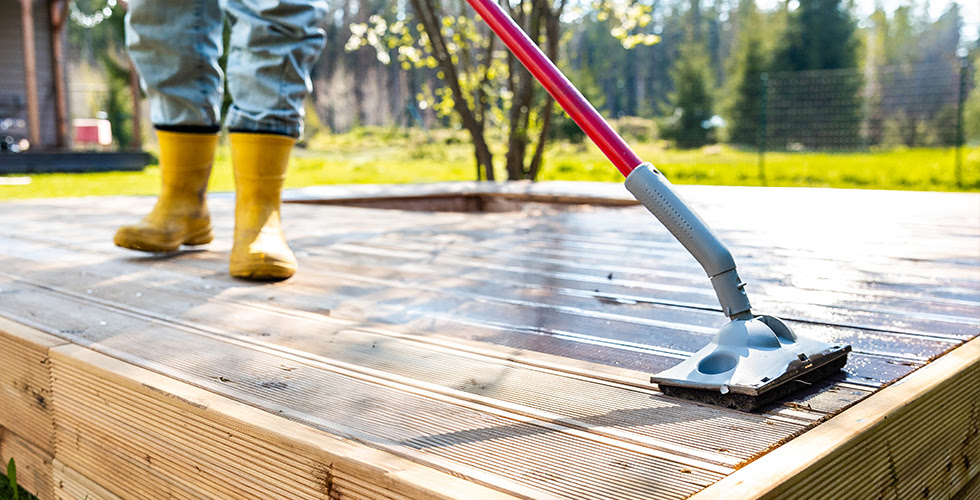
From there, get under and around the deck and clean out whatever has built up down there. Dry leaves, wood scraps and overgrown brush - every bit of it needs to go. Inspectors usually look pretty closely at what's stored or growing underneath a deck, and a clean underside will put you in a much better position when inspection day comes around. Of everything on this list, it's probably the easiest to get ahead of.
If some boards need to be replaced or the deck is due for an upgrade, fire-rated wood products are well worth a look. Treated lumber and composite materials can be rated to hold up much better in wildfire conditions, and a local lumber supplier or a contractor who works with the California code will be able to point you toward the right products for your area. Whatever you go with, don't make this call on price alone - it's worth spending a little more to get it right.
The timing is the part that most homeowners underestimate. A home sale or an insurance renewal can move much faster than you plan for. You'll have far more options available to you if you get ahead of it while you still have some time.
Build Something Extraordinary
With the right information and the right materials, most homeowners and contractors get through the process without too much issue.
One of the biggest factors is where you buy your wood. A lumber supplier who actually knows California's fire codes can make the whole material selection process much easier. Not every wood product is right for every fire zone, and the differences between them can be hard to spot. A wrong choice can mean delays, failed inspections or having to redo work that you already paid for.
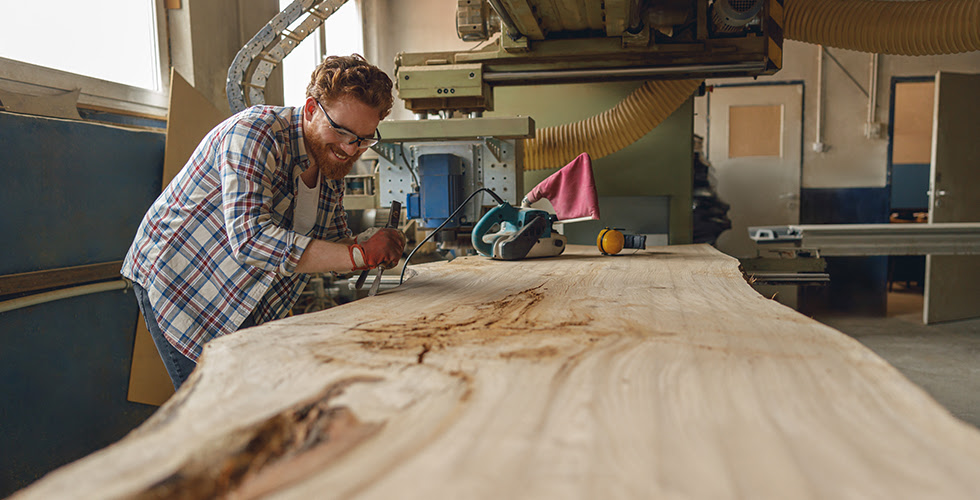
At House of Hardwood, I work with homeowners and contractors every day who are in the middle of just these kinds of decisions. We carry fire-rated wood products, and we can talk about what's approved for your zone and project. California has a few different fire hazard severity zones, and the laws around decking materials can vary quite a bit depending on where your property is located - it's helpful to have someone on your side who knows those details well.
Come by our yard on Wellesley Avenue to see what we have in stock, or give us a call. We're happy to talk through your options before you settle on anything. Whether you're working with a tight timeline or still in the early stages of planning your build, we're here to help you find the right product for your situation.