
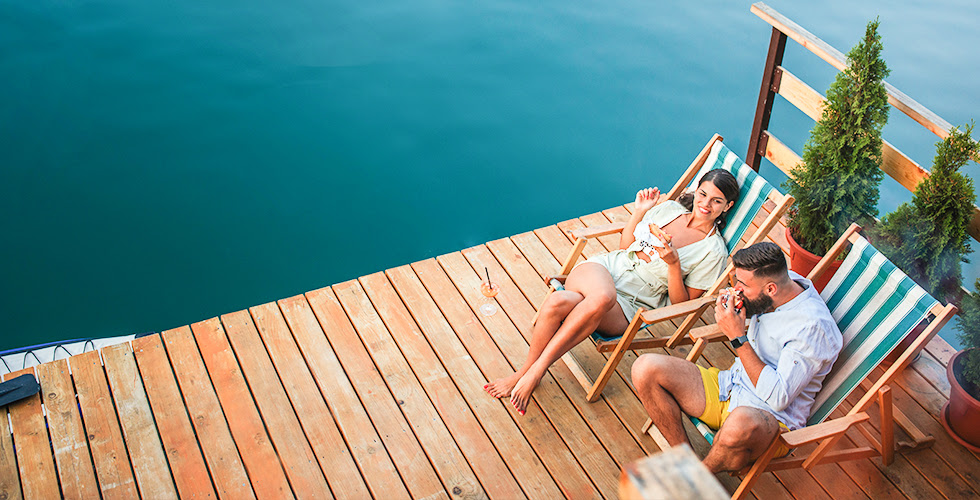
A wood deck near the coast in Los Angeles has a pretty rough life. Saltwater exposure alone is one of the most destructive forces a coastal deck has to contend with - and on the coast, it builds up much faster. What makes it even harder is that salt spray never arrives alone. Relentless UV, wet-dry temperature swings and marine borers all show up at the same time every year - and none of them are willing to wait their turn.
Most homeowners don't see how much damage that combination can do - at least not until they've watched their first deck age way ahead of schedule. A board that looked fine in year two can start to gray, crack and splinter by year four. The upside is that it doesn't have to go that way.
Hardwood species can vary quite a bit in their density, natural oil content and how well they hold up against rot and biological damage - and each of them has an effect on how long your deck lasts. The right species will protect your investment, add decades to the life of the structure and take a portion of the work out of your annual maintenance schedule. The wrong one will cost you far more in repairs and replacements than you ever planned for.
I see this mistake quite a bit - homeowners pick the wood that looks best on the shelf instead of the one that's actually right for where they live. In a coastal saltwater environment, that choice matters a whole lot more than it would in almost any other place where a deck gets built.
Here is a look at the best hardwood species to help your coastal deck stay in great shape.
Why Hardwood Works Best for Coastal LA Decks
The LA coastline is about as rough on a wood deck as any environment gets. Salt air finds its way into every exposed surface and breaks down wood fibers from the outside in. Then the intense Southern California sun comes along and dries everything out in between those damp marine mornings. That steady back and forth between wet and dry is pretty hard on wood, and it wears down material that was never built to take that sort of punishment.
If your deck sits just a few blocks from the Pacific, it's worth pinning down what "coastal" actually means in practice. A saltwater environment is nothing like being near a freshwater lake. With freshwater, moisture is the main concern. Salt carries minerals with it that can speed up decay and eat through metal fasteners much faster than freshwater ever would. Marine borers are also a problem closer to the water line - these organisms drill directly into softer woods, and by the time the damage shows up, it can already be pretty bad.
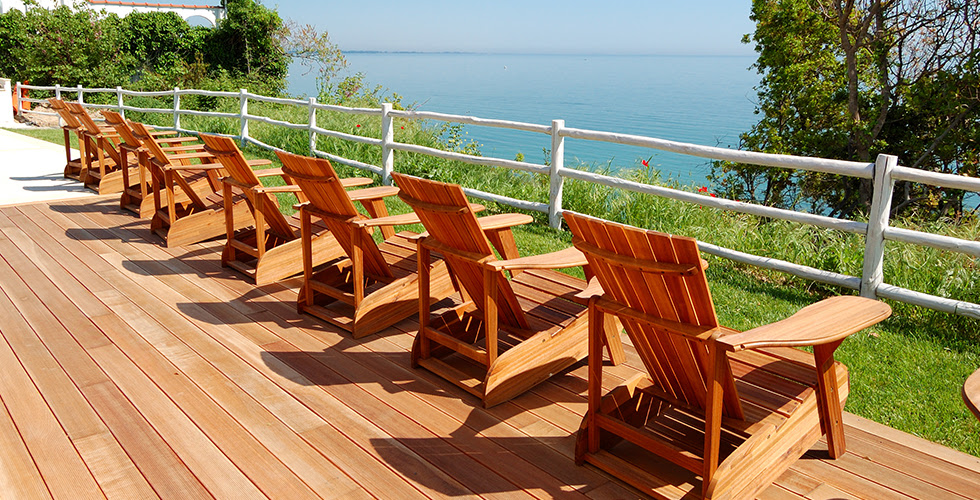
Softwoods like pine or cedar are a weak point here. Salt air, moisture and UV exposure will wear them down fast since their grain is more open and porous. Composites do hold up better in some respects. But they bring their own problems. Heat can get trapped in them, and the expansion and contraction from temperature swings can create structural problems over time.
Dense hardwoods perform well in these harsh environments largely because of how tightly their wood fibers are packed together. That natural density makes it very hard for moisture and salt to work their way deep into the wood, and it also stops the surface from cracking or warping under direct sun in a way that softer woods just can't match.
Why Ipe Works for a Coastal Deck
Ipe (also called Brazilian Walnut) is the first hardwood worth looking at for a saltwater coastal deck in Los Angeles, and it carries a well-earned reputation as one of the toughest decking materials in the world. Its Janka hardness rating sits at around 3,680 lbf, which puts it quite a bit higher than most other wood species that you'd ever find at a common lumber yard.
That density is actually a big part of what makes Ipe a great match for coastal environments. The wood has a natural resistance to rot and marine borers - the little organisms that eat their way through wood when it gets exposed to the ocean air and saltwater. A well-maintained Ipe deck can realistically last anywhere from 25 to 50 years, which is pretty rare in a natural wood product. California's public boardwalks and marina walkways have depended on Ipe for just this reason, with a track record that stretches back decades.
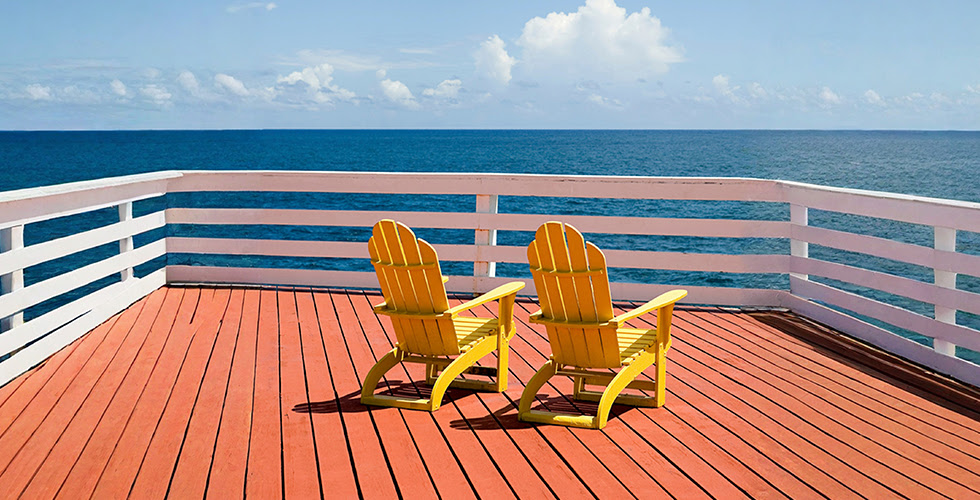
With Dark Ipe, one detail is worth flagging first. It absorbs heat at a pretty aggressive rate under the direct Southern California sun and can push surface temperatures past 140°F on a hot day. At those temperatures, it matters if you have young kids or pets who spend time on the deck barefoot or without paw protection.
Lighter finishes and some shade coverage can help bring the surface temperature down to a more comfortable level. With that said, wood does absorb heat - it's just a part of what the material does, and no finish will change that on its own. In either case, it's worth having that conversation with your contractor before you settle on a final material choice.
Teak Has a Long History on the Water
For centuries, teak has been the first choice for boat builders and naval craftsmen worldwide. Yacht decks, historic warships and working vessels of all kinds have been built with it - and the same properties that made it the right call back then are just what make it the right call for a coastal deck in Los Angeles.
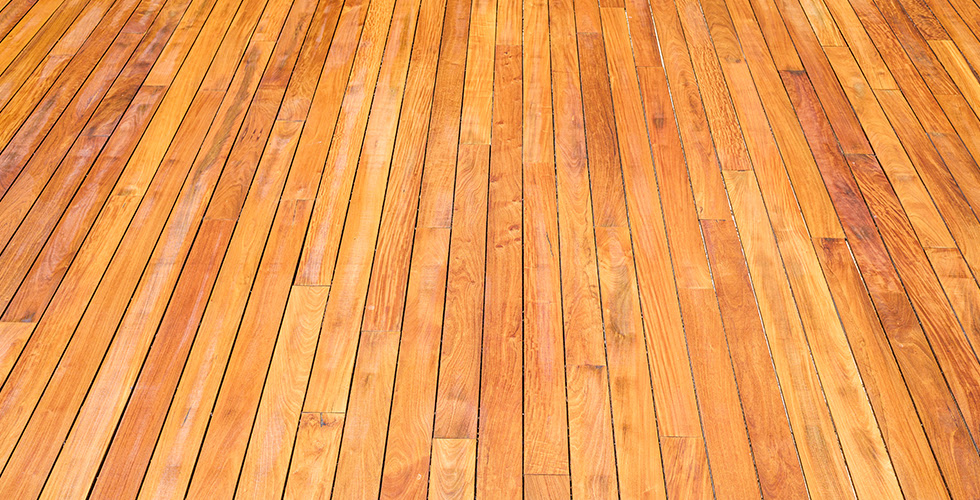
It all comes back to the oil. Teak has a high amount of oil built right into its grain - its oil is what lets it stand up against moisture, salt exposure and the relentless sun that LA gets year-round.
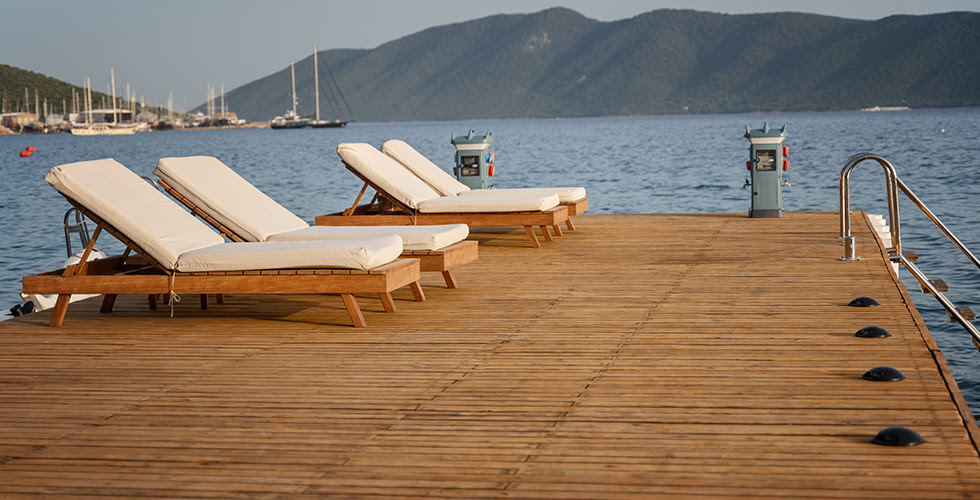
There aren't many worse places for wood to be than a boat deck - it sits right on the water, takes the full heat of the sun with nothing to block it and gets blasted with salt spray day in and day out. Teak has been holding up under those exact conditions for generations - its track record gives you a sense of what you can expect from it on a deck that's a few steps from the Pacific. For coastal homeowners in LA, that's more or less what their decks are up against.
Teak's UV resistance is one of its biggest upsides in a place like Los Angeles. The city gets sun year-round, and all that steady exposure will slowly wear down less sturdy woods over time. Teak's dense grain and natural oils do quite a bit to slow that down, so the wood holds its shape and color far longer than most of the other options out there. On a deck that faces south or west with no overhead shade, that level of durability is pretty hard to beat. It's actually one of the main reasons I recommend it first for properties along the coast.
Light Woods That Stay Cool Underfoot
Dark hardwoods in the direct Southern California sun can hit temperatures well above 130°F at the peak of summer - and a barefoot walk across a deck that hot is a very short one at best.
Lighter-toned tropical hardwoods are a pretty good answer to that problem. Cumaru (also usually sold as Brazilian teak) has a warm honey-brown color and stays noticeably cooler underfoot than the darker species do. Its Janka hardness rating puts it well above teak for scratch and dent resistance - it's a pretty great place to land for a deck that's going to see years of heavy outdoor use.
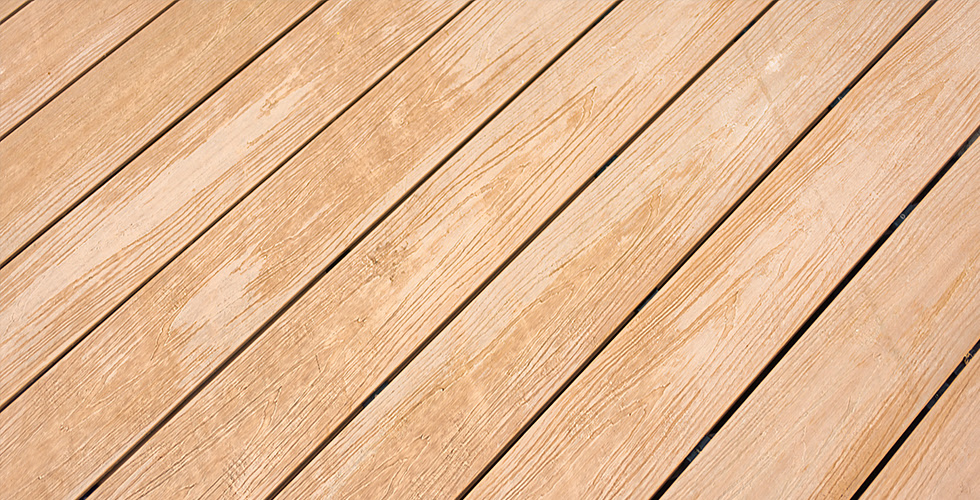
Garapa is another wood worth a look for the same reason. Its pale yellow color actually sheds more heat than it absorbs, and it holds up remarkably well in saltwater coastal environments - without the high price tag that's attached to the other tropical hardwoods out there. On a deck that gets full afternoon sun deep into July, that lighter color can translate to a drop in surface temperature - enough of a difference that you can go barefoot again.
These two woods are going to need a bit of maintenance if you want to hold onto their natural color over the years. Without a little oil every now and then, they'll slowly fade into a silver-gray patina over time - and plenty of homeowners come to love that for what it's worth. From what I've seen, it tends to be less about neglect and more a deliberate choice to see how the wood ages on its own. The wood itself stays strong and holds up fine regardless, so the main question is what you want your deck to look like - not how long it's going to last.
Black Locust as a Domestic Wood Option
Black Locust is a domestic hardwood with roots in the United States, and over the past decade, it's built up a strong reputation in outdoor construction. What separates it from most of the imported options is its natural resistance to rot and moisture - and for coastal builds like the ones throughout Los Angeles, that's a benefit.
Domestic lumber means shorter supply chains and far less paperwork compared to imported tropical species - and since California project timelines have a tendency to drag on for all kinds of reasons, that's a big win. Materials that can be sourced and delivered without the added complications of international shipping can make the difference between a build that stays on track and one that falls behind.
California's environmental values run deep, and a domestically grown wood fits right into that mindset. Black Locust gets harvested and milled without the shipping footprint of species brought in from South America or Southeast Asia. For homeowners who care about where their materials come from, the local origin of the wood is a big part of the choice.
The origin of your materials might matter quite a bit to your build, or it might not - and it's helpful to try to settle that question early. For homeowners, that's a valid place to land.
California does add a few extra layers to the sourcing conversation that go a bit deeper than just the species that you pick - and I see this come up quite a bit once homeowners start to compare their options in detail. The next section covers those specifics. But the knowledge that Black Locust is a domestic option already puts you ahead of that conversation before it even gets started.
How to Source Tropical Hardwood in California
California holds imported wood to a much higher standard than most other states, and if a tropical hardwood is what you're after for your coastal deck, the source of that wood matters just as much as the species that you choose.
The certification to know about is FSC - the Forest Stewardship Council. If a board carries an FSC label, it came from a responsibly managed forest, with every step of its path from the forest to the lumberyard tracked and documented. That chain-of-custody record is what gives the label its weight - without it, the certification wouldn't mean much.
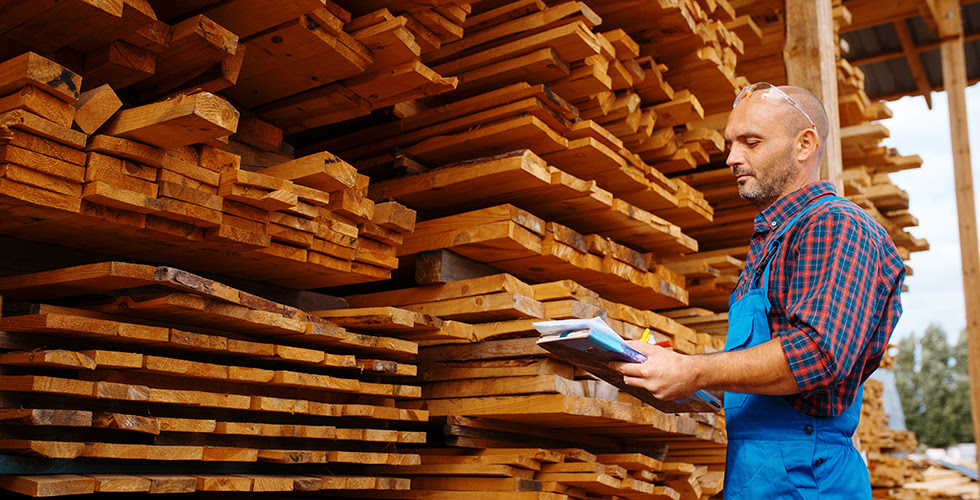
FSC-certified tropical hardwoods are actually pretty easy to come by in the Los Angeles area, which is great news if you've been putting off your project over any sourcing concerns. Most specialty lumber suppliers will carry certified ipe, teak and a handful of other coastal-grade species without much difficulty. The price difference between certified and non-certified wood is usually pretty modest, and in most cases, the security alone is worth every extra penny.
Without a verified source, there's no way to trace whether the forest that a board came from was harvested legally or had any actual oversight behind it. California has been steadily raising its standards around imported natural materials for years, and lumber is no exception.
With any wood supplier, ask for FSC documentation first - and ask before any money changes hands. In my experience, a supplier will have that paperwork on hand. If they stall, make excuses or just can't produce it, that's enough reason to walk away.
How Salt Air Wears Your Deck Down
Even the toughest hardwood that money can buy still needs a little extra care in a coastal environment. Salt air is relentless, and it breaks wood surfaces down fast.
Salt spray is one of the bigger threats that a wood deck will face over its lifetime. When it builds up and just sits on the surface, it slowly draws the moisture right out of the wood and speeds up the graying and surface wear. An easy rinse paired with a UV-protective oil on a steady schedule can make quite a difference over the years and doesn't take much time or money to stay on top of - but it does take some consistency.
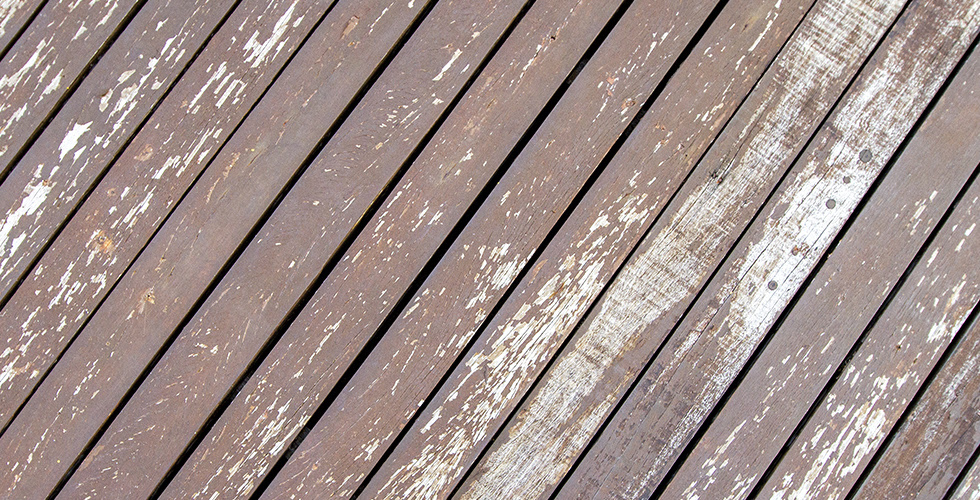
Any wood species that you're thinking about comes with a question about how much time you're actually willing to put into keeping it up. A beautiful Ipe deck won't just take care of itself. Even Ipe, one of the most heavy-duty hardwoods on the market, can lose years off its lifespan without steady cleaning and re-oiling. As dense as it is, it still needs maintenance, and the consequences of skipping it are very real. I see this a lot - a homeowner puts money into a premium wood and then wonders a few years later why it doesn't look the way that it used to.
A lower-maintenance species with a manageable care plan will usually outlast a premium wood that gets neglected. Your schedule, your budget for maintenance products and whether you want to do the work yourself or hand it off to a contractor - it all deserves just as much weight in your final call as the wood species itself.
Build Something Extraordinary
A coastal deck is a long-game choice - get the right hardwood, and it can pay off for decades. No single species will be the right answer for everyone, though - the best wood for your deck can depend on what you care about most. Some buyers want the hardest and most heavy-duty option out there and are fine with the extra heat and maintenance that come with it. Others just want something that feels comfortable underfoot on a hot July afternoon or a wood that they feel right about sourcing. Weigh those priorities against your budget and your situation, and the right choice tends to stand out.
Durability and livability aren't the same, and the difference matters. A deck that's built to last 40 years but needs more maintenance than you're ever realistically going to give it won't actually serve you all that well. The best decks are the ones where the material, the maintenance commitment and your day-to-day experience of that space all work well together.
A supplier can make the whole process easier - and that's especially the case when what you're building with matters this much. At House of Hardwood, we carry a number of coastal-grade hardwoods (with FSC-certified tropical species included), and our team has helped LA homeowners work through decisions just like this one. Whether you already know what you want or you're still trying to narrow it down, we'd love to talk it through with you. Stop by our yard on Wellesley Avenue to see the wood in person or give us a call, and we'll help you find the right fit for your project.