
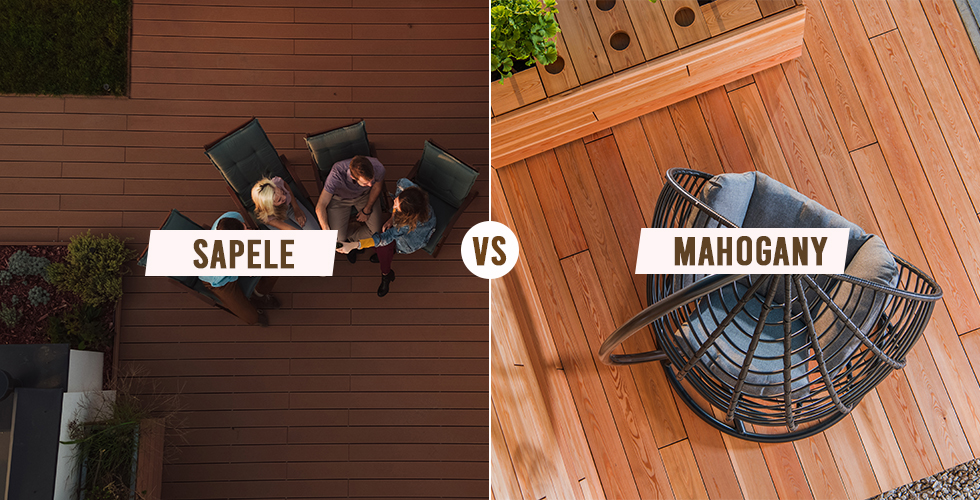
The wood choice for an outdoor build in Southern California matters. The sun out here is noticeably more intense than in most of the country. Lumber yards carry dozens of species under labels that don't say much, and the wrong pick can leave you with warped boards or a poorly-faded finish within just a season or two.
Sapele and genuine Honduran Mahogany are popular options for pergolas, gates, decks and patio furniture - and they've earned that reputation. Each wood has a strong track record in outdoor builds, and either one is a great choice for the right project. But they're similar enough on paper that buyers treat them as interchangeable, and that gives you some pretty different results once they're out in a SoCal backyard.
Local conditions do matter with these two wood types. Between the relentless UV exposure, the reliably low humidity and the dramatic temperature swings from the coast to the inland areas, the environment here puts wood through quite a bit over time. A species that holds up beautifully in a shaded Pasadena courtyard can act very differently out on an exposed Temecula deck - it's a gap worth thinking through before you choose a material.
Sapele and Honduran Mahogany are great options. But "great" only takes you so far if the wrong one ends up on the wrong project in the wrong environment. The little details are what separate a build that still looks great ten years from now from one that starts showing its age after the first dry season. It's a choice worth making well from the start - and one that I'd love to see you get right on the first try.
So let's get into which wood actually thrives in Southern California's climate!
How the SoCal Climate Affects Your Wood
Southern California can be tough on outdoor wood, though it's nowhere near the worst climate for it. The main problem out here is the sun. UV exposure in SoCal is relentless, and it wears down wood fibers and finishes quite a bit faster than anyone plans for when a project is in the works.
The dry air actually works in your favor, though. Moisture and humidity in wetter climates create the perfect conditions for rot and mold - it's a never-ending battle that you can't win. SoCal's low humidity takes that pressure off. Wood left outdoors here is far more likely to dry out and crack than it ever is to rot, and while cracks are still a problem, it's a more manageable one.
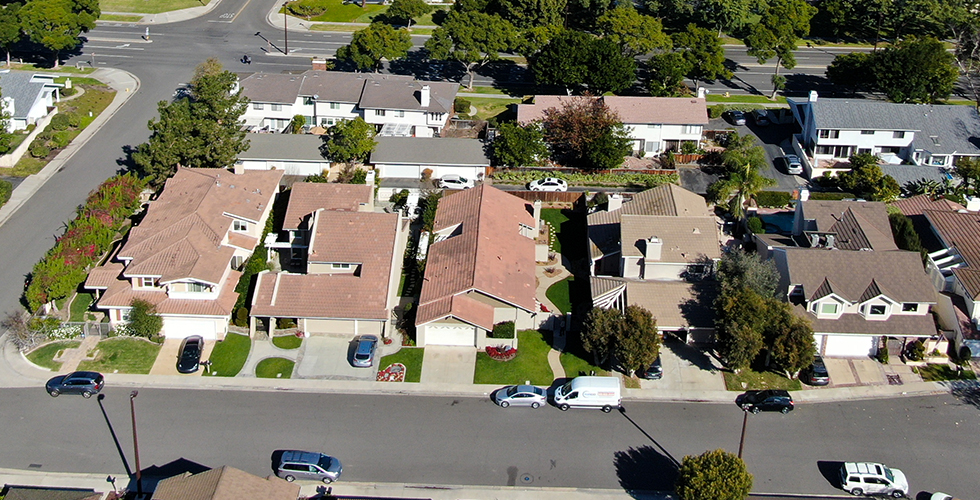
What makes this region hard to pin down is that the climate can change quite a bit from one neighborhood to the next. A deck in Pasadena bakes under dry heat with almost no coastal breeze to take the edge off - a pergola in Santa Monica sits in saltier air for most of the year. Those two projects are only about 25 miles apart. But they put very different stress on outdoor wood and the finishes that protect it.
Inland areas can see temperature swings of 40 degrees or more between a summer afternoon and a cool evening. The wood expands and contracts with every swing. Over time, that movement starts to open up gaps, loosen joints and wear away at even a well-applied finish. Coastal areas usually hold a steadier temperature throughout the day, but the salt air has its downsides for any wood used near the coast or protective coating that's used outside.
How Sun and Moisture Affect Each Wood
Sapele and Mahogany work well in Southern California's dry heat, and either one could make for a great outdoor build. There are a few differences between them worth thinking through before you choose one over the other.
Sapele has what's called an interlocked grain - the wood fibers run in alternating directions the whole way through the board. That cross-pattern gives it a strong natural resistance to warping and twisting when temperatures fluctuate throughout the day. A patio structure sees warm afternoons and cooler nights on a pretty steady basis, so structural stability does matter. Builders in this climate don't give it much thought until they're already well into a project.
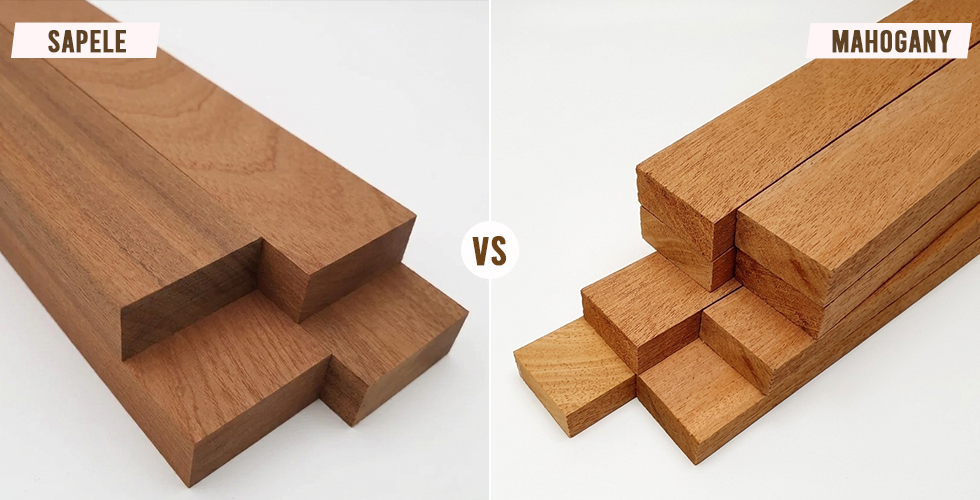
Mahogany is worth a look too - it takes heat and moisture well and has a well-earned history in outdoor furniture and decking. The one area where it loses a little ground is in UV resistance - it tends to show sun damage a bit faster than Sapele when it's hit with direct sunlight day after day. The sun is relentless in SoCal, and the dry season seems to go on forever, so the difference can start to show over the years.
The grain direction of your lumber also plays into how much the wood moves as the weather changes. A board with a more stable grain will hold onto its fasteners better and keep your joints from loosening over time - and both of those matter quite a bit in any outdoor structure that's meant to last.
Sapele holds up through SoCal's seasonal changes more reliably than Mahogany does. That predictability is a big part of why so many local builders have started to try it.
How Each Wood Takes an Outdoor Stain
Honduran mahogany has a smooth grain that absorbs stains and sealers at a steady rate all the way across the surface. What that means is whatever finish you apply will come out looking uniform and just the way you had planned it, which is about the best result that you can ask for on a piece that's going to be on display up close.
Sapele has plenty going for it. That ribbon-stripe grain is one of the most beautiful patterns in woodworking, and it's a big part of why the wood has a dedicated following. The catch is that those same stripes don't always absorb the stain at the same rate. One area will pull it in as fast as another practically pushes it away, and without the right prep, you can end up with blotchy or uneven patches across the surface. On a smaller project, that's usually manageable - a little extra prep work and some sanding can get it under control. On something bigger, though - it's a different story.
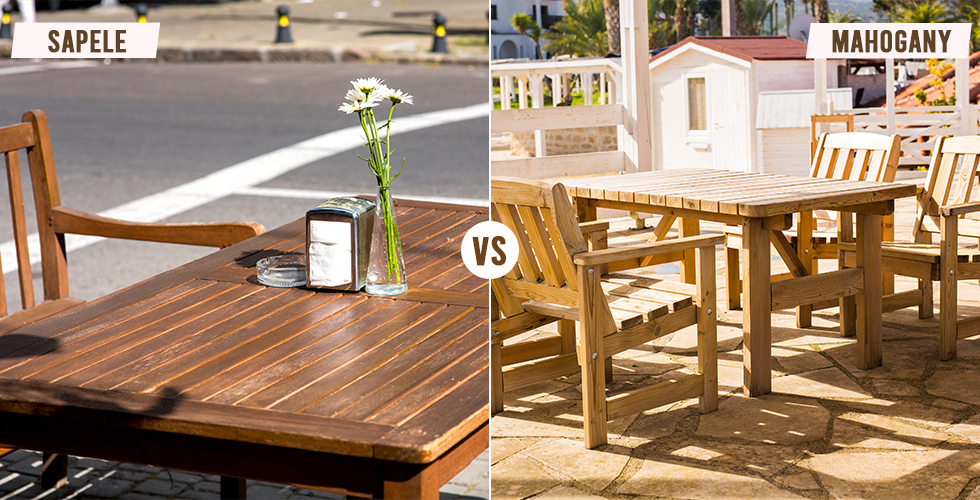
Neither sapele nor Mahogany gets a free pass once it's outside in Southern California, though. They need a UV-protective oil or finish if you want to keep their color looking rich and their surface in decent shape over time. Miss that step with either one, and you're going to watch it fade and dry out much faster than it should.
If a smooth and predictable finish is near the top of your list, mahogany will be your best bet. Sapele can get you there - it just takes a bit more prep work, more patience and more care with the little details along the way. If you're also weighing options for an outdoor deck in LA, it's worth comparing how other hardwoods hold up before you commit.
The Cost and Trade Laws You Should Know
With either of these woods, a little homework before heading to the lumber yard will go a long way. Price, availability and where you source it can all vary quite a bit depending on what you're after - it's a detail worth paying close attention to.
True Honduran Mahogany falls under CITES trade restrictions - a set of international trade laws that were put in place specifically to protect endangered species. For the long-term survival of the wood, that matters. The trade-off is that it makes this species harder to track down and usually more expensive to find from a responsible source. Any dealer will have the right paperwork to back up what they're selling you - and if they can't produce it, that's reason enough to look elsewhere.
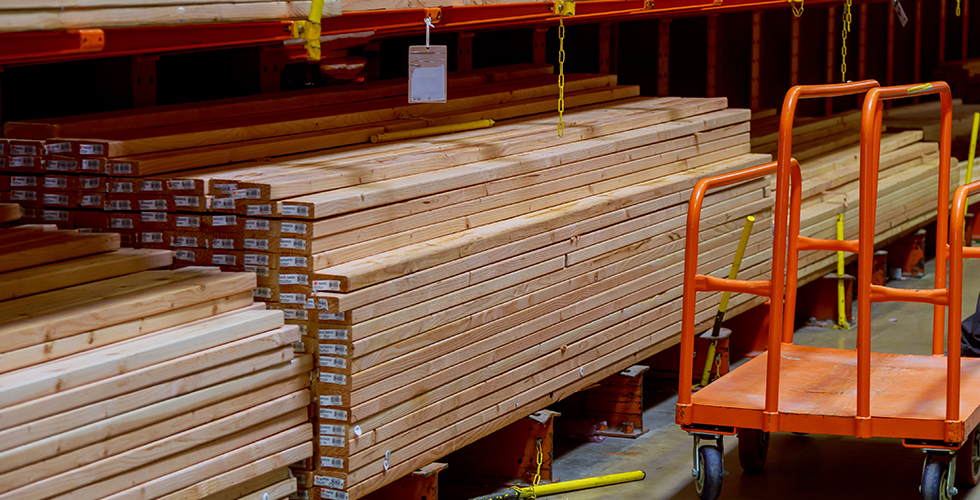
At SoCal lumber yards, plenty of wood gets sold under the "mahogany" label that has nothing to do with Honduran Mahogany. African Mahogany, Philippine Mahogany and a few other lookalikes all share the same name. But they don't share the same properties - it's one of the more common sources of uncertainty I run into with bigger outdoor projects. Before dropping thousands of dollars into a deck or pergola, it's worth asking your supplier for the exact species name listed on the tag. The label alone won't tell you what you're actually buying.
The difference in density, durability and how the wood holds up outdoors can be pretty significant - especially on a project that's meant to last 15 or 20 years. If your supplier can't confirm the exact species or seems unsure, it may be worth calling around.
The Best Wood for Each Outdoor Project
Sapele more than earns its place when a structure has to hold up against the elements over time. A pergola or an exposed deck frame needs wood that won't warp and won't surrender to moisture - and Sapele's density is a big part of why it holds up well for those kinds of builds. In a coastal or high-UV environment like Southern California, that durability is well worth factoring in from the start of a project.
Mahogany earns its place when the finish matters as much as how it performs. The grain is smooth and even, which makes it a great choice for paint or stain - it takes color well and holds a uniform finish. For that reason, it tends to show up on custom gates, decorative trim and outdoor furniture - the pieces guests are actually going to see and touch.
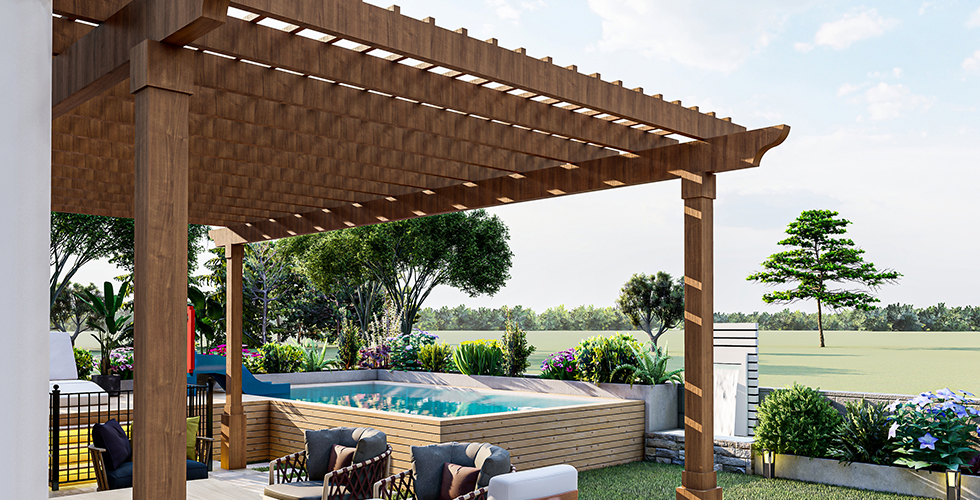
For most SoCal homeowners, the projects that come up the most are covered patios, outdoor kitchens and fencing. A covered patio lands right in the middle (either of the woods could do the job), though the framing and the finish pieces might point to two very different answers.
Fencing is a solid example of this. The posts and rails take the most abuse (direct sun, ground contact, moisture from every season) - it's right where Sapele's durability does what it does best. The decorative caps and face boards are a different story - it's where Mahogany is the stronger choice. Those are the pieces that catch the eye, and a well-finished Mahogany board is hard to beat on a fence that's meant to look its best.
Other Woods That Could Work For You
For high-traffic areas like a deck or an outdoor walkway, Ipe is worth adding to your list. It's one of the densest hardwoods available - its density is what makes it so resistant to wear and surface scratches over the years. The downside is that it's a bit harder to cut and fasten than the other two woods we've looked at, so keep that in mind before your plans get too far along.
Teak is another great option for furniture or structures that get plenty of direct sun throughout the day. The natural oils in teak wood help it hold up against intense heat quite well, and it doesn't ask much from you to keep it looking its best. The downside is that it runs a bit more expensive than most of the alternatives, and that's why we save it for smaller projects or for pieces where the long-term value is worth the extra investment.
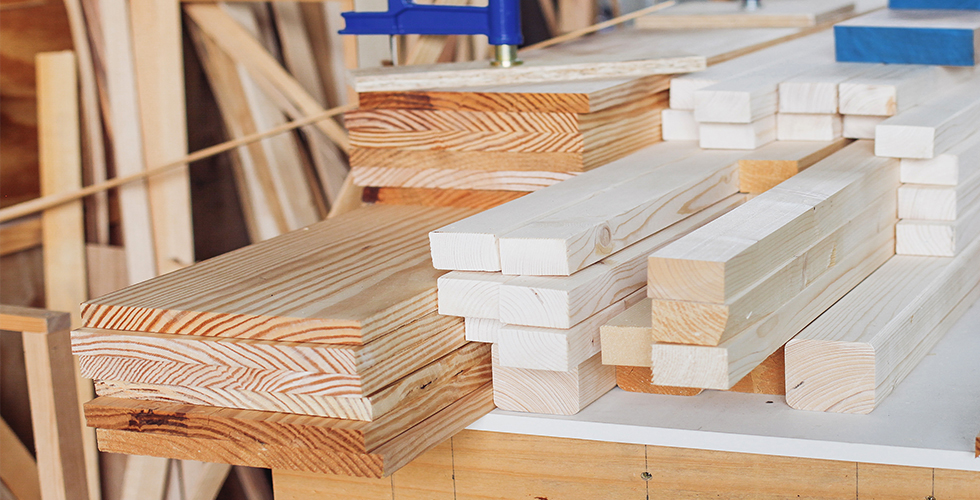
Accoya is a bit of an unusual one - it starts life as a softwood. But it gets put through something called acetylation, a chemical modification that makes it far more dimensionally stable than most other wood species. For a climate like SoCal, where seasonal heat can push wood to expand and contract pretty aggressively, that level of stability is well worth having. It's also easier to work with than Ipe, and that's a benefit if it's a DIY project.
Before we get to the guide in the next section, it's worth asking yourself if one of these alternatives actually fits your project better. With most builds, the answer winds up being yes.
Pick the Wood That Fits Your Project
After all this research, it's pretty normal to feel like the two woods have plenty going for them - it's fine. The best place to start is with what your project actually needs.
For anything that has to last for years without maintenance, Sapele tends to be the stronger choice. It's a denser wood, and it holds up well against what outdoor life in Southern California can put it through - the sun, the heat, the sudden bit of moisture and the rest.
For anyone who wants a beautiful outdoor finish without having to fight the wood at every turn, Mahogany is a strong choice. It's a bit more forgiving to work with in the shop, and the finished product still looks great. In most SoCal conditions, it holds up well outdoors.
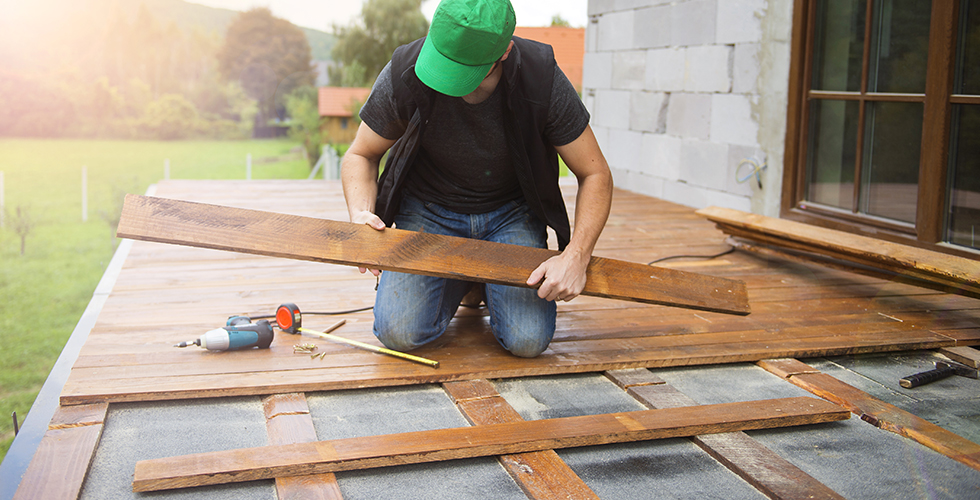
Where you are in SoCal matters. Coastal areas get salt air and extra moisture year-round, and that can affect how wood holds up over time. The closer you are to the water, the more durability needs to factor into your choice. Inland areas are much drier by comparison, and that makes them more forgiving on wood - it's why Mahogany starts to look like a more sensible option out there.
Budget is worth a look, too. These two woods usually land above average on lumber pricing, and your project size can help determine how much that matters. For a smaller build, the price difference between the two might barely register. A large deck or pergola is a very different story, though.
The right wood is out there for your project, your patience level and the climate where you live - and when all three factors line up, the choice gets a whole lot easier.
Build Something Extraordinary
If there's one point to take away from everything covered here, it's that the early decisions carry so much weight. A project that holds up beautifully for years versus one that starts to need repairs way too soon - the gap usually traces back to the calls that were made before the first board was ever cut. The wood that you pick, the finish that you go with and the joinery that you choose - it all adds up, and most owners don't see that until they're already a few years in and wish they'd done a few details differently. If you're planning an ADU or similar build, our guide on best wood choices for Los Angeles ADU construction is worth a read before you commit to a species.
A great supplier goes a long way when decisions like these come up - and if you don't have to figure it all out alone, I'd say don't. At House of Hardwood, we carry a number of premium hardwoods, and we love to work through the options with our customers. We also want to make sure that you feel confident in your options before the work even begins. Whether you're a homeowner on your first big outdoor build, a contractor who wants a reliable source or a designer looking for the right material for a particular custom project, we're happy to talk it through. Come by our yard on Wellesley Avenue to see what we have in stock or give us a call - we'll help you find just what your project needs.