
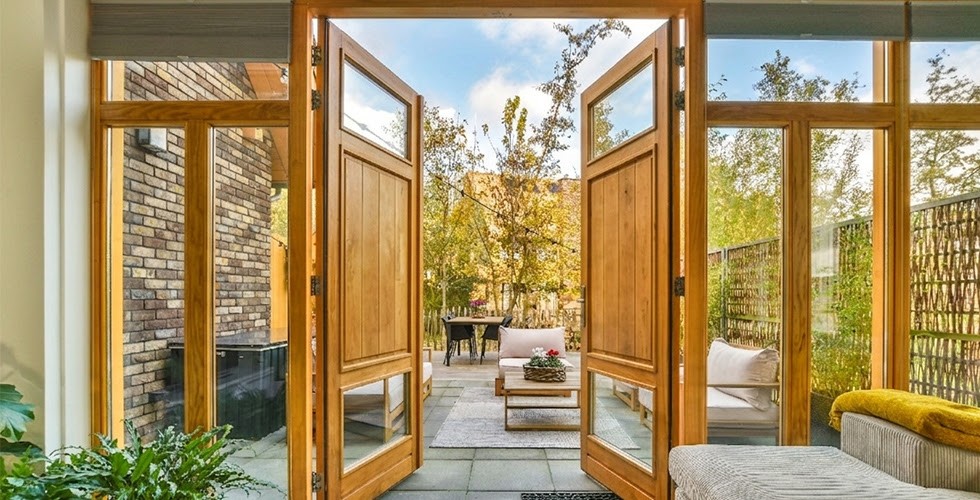
A patio door sits right at the edge of where your home ends and the outdoors begins. It needs to work with direct sun all summer, rain through the fall and the temperature swings that push wood to expand and contract, year after year. Get the wood species wrong, and a door can warp, crack or rot within just a few years - it doesn't matter how well it was installed or what you paid for it.
That pressure is what makes the right wood choice so hard. Lumberyards and showrooms carry dozens of options, and each one has its own density, grain pattern and ability to hold up against moisture. Marketing language tends to blur the line between a species that actually belongs outdoors and one that just photographs well in a catalog. A patio door is also a long-term fixture, and a bad call at the design stage tends to get worse over time instead of better.
For patio doors, five wood species have earned a strong reputation as the most reliable options - teak, mahogany, white oak, Douglas fir and Western red cedar. Each one brings a different blend of durability, cost and maintenance demands and works with the elements a little differently. The right choice will largely depend on your local climate, your budget and how much maintenance you're willing to put in over the years. No single species will be a perfect fit for every situation - but with the right criteria in place and a quality finish, any one of these five can hold up as a patio entrance for decades.
A patio door is not something you want to replace twice. With that in mind, it's well worth the time to get it right.
Let's look at which wood species will work for your patio doors!
How Wood Choice Affects Your Patio Door
Exterior doors have a much harder life than interior ones do. Rain, harsh sun, freezing nights and humid summers are all just part of the deal - and in plenty of parts of the country, that entire list can show up within a single week.
Moisture is the big one. Wood expands when it absorbs water and shrinks back down when it dries out - and with enough repetition, that back and forth can eventually cause a door to warp, crack or pull away from its frame. A wood species that can stand up to that movement without falling apart is well worth the extra cost.
UV damage also deserves a close look. Long-term sun exposure will bleach, dry out and slowly break down the wood fibers over time. Not every species holds up equally well - some are far more resistant than others, and the ones that fall short will start to show wear within just a few years.
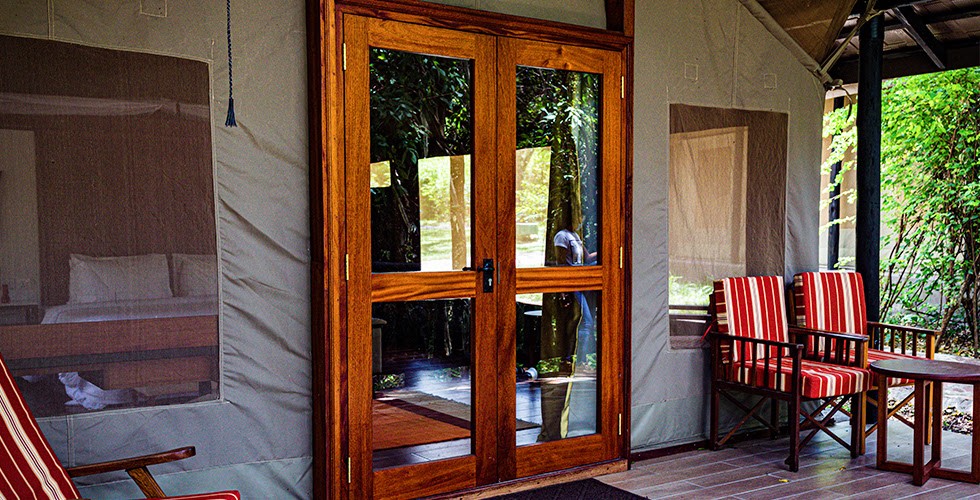
The wood that you choose needs to match where you actually live. A humid coastal home and a dry inland one are two very different environments, and each of them puts different pressure on your door.
Think about maintenance before you settle on a particular wood species. Some of these woods need to be oiled or sealed fairly regularly to stay in shape - skip a season or two, and it'll start to show. Others are far more forgiving and can go longer without much attention. Whatever the case, be honest with yourself about the maintenance that you're going to follow through on.
Each of the five species has its own strengths and a few trade-offs to keep in mind. Before we get into that, it's worth learning about what your door will be up against on a day-to-day basis.
Teak Sets the Durability Standard
Teak has been a shipbuilder's material of choice for centuries, long before it ever found its way into anyone's home. The fact that it earned that level of trust at sea tells you plenty about what this wood is capable of.
What makes teak so well-suited for outdoor use is its natural oil content. Those oils actively push moisture away from the grain and make the wood far less inviting to insects - and none of that needs the heavy chemical treatments that most other wood species require just to hold up outside. For a patio door that sits right there between your living space and the outdoors, that built-in protection is worth quite a bit.
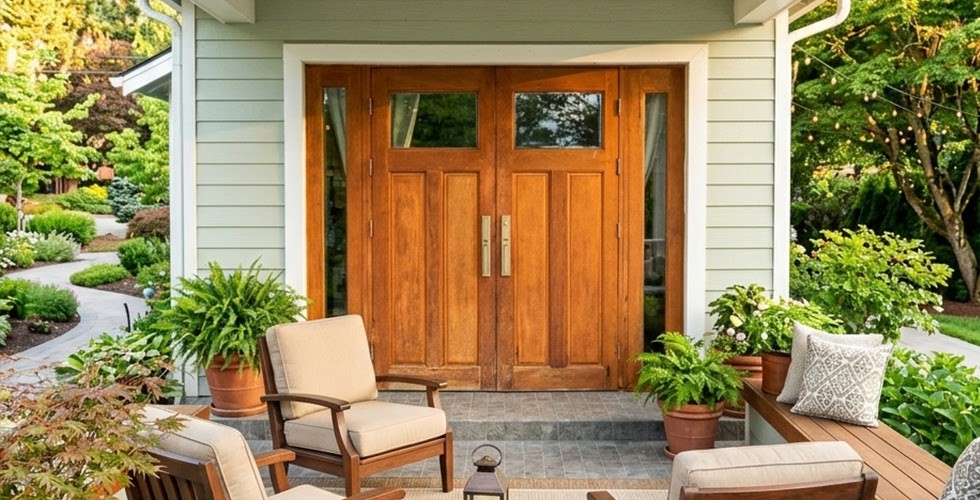
Teak does cost more than most other wood options (there's no way around that), and the price difference is enough to make plenty of homeowners stop and think. What's worth keeping in mind is that a teak door with even basic maintenance can last for decades without any warping, rot or loss of its structural strength. The math works out pretty differently when you lay the full lifespan of the door out next to the price tag up front.
Where your teak actually comes from is worth your attention. Plantation-grown teak has become the responsible standard in the industry, and it performs just as well as old-growth wood - without the environmental problems of unmanaged harvesting. If sustainability matters to you, ask your door supplier about their sourcing commitments. Not every supplier is open about this, so it's worth asking directly.
For a door that will last you a lifetime, teak is about as strong a place to start as any.
Mahogany Resists Rot and Seasonal Swelling
The word mahogany gets tossed around pretty loosely in the lumber world. Different sellers use it to describe a few quite different species, and not all of them will work well for every project - it's helpful to try to know which one you want to buy.
The terms to look for are "genuine mahogany" or "true mahogany" - and refer specifically to Swietenia macrophylla, the species most commonly sold under the name today. What else gets sold under the mahogany label is a cheaper substitute, and those woods run a bit softer and hold their shape and dimensions much less reliably over time. For a long-term investment like a patio door, that quality gap is well worth your attention.
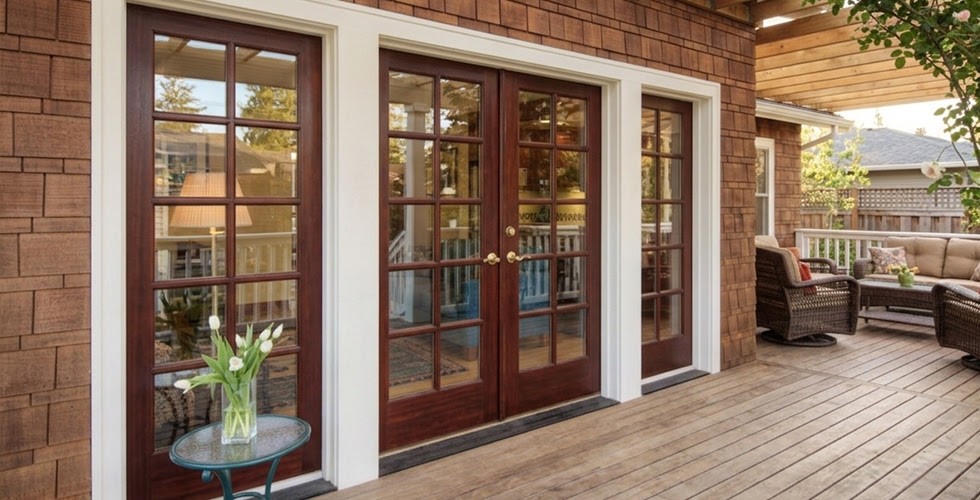
One of the biggest reasons genuine mahogany is so popular for patio doors is its color. The wood has a natural reddish-brown tone that only gets more beautiful with age, and it also takes stain well, which gives you plenty of room to work with - you can dial it in close enough to match your interior finishes or pull back and let more of that natural grain come through.
Wood stability is a big consideration for any indoor-outdoor application, and patio doors are a great example of why it matters. Genuine mahogany holds its shape extremely well through seasonal changes in humidity and temperature, which is one of the main reasons it's so popular for exterior doors. Other hardwoods will move, warp or cause some fit-and-finish problems over time - mahogany is a bit more forgiving in that department.
Mahogany is one of the best options out there if you want a wood that performs well on both sides of your home - interior and exterior alike. It's a beautiful material on its own, and it holds up extremely well over time. The older it gets, the better it tends to look, which is a pretty rare quality to find in a wood.
White Oak Repels Moisture Naturally
White oak makes a great patio door material. For a project of this size, a few of these reasons are worth a look.
The grain is actually where it all begins. White oak has what's called a closed grain, which means water can barely penetrate the wood at all. Red oak can look nearly identical. But it takes in moisture at a much faster rate. That alone makes it a poor choice for any door that lives between an indoor and outdoor space. Rain, humidity and seasonal temperature swings will hit that door year after year, and a wood that can't hold the moisture out will have a rough time.
Domestic availability is another benefit to remember. White oak grows all over the U.S., so the supply chain is much shorter compared to tropical hardwoods that have to be shipped in from overseas. In practice, that tends to mean faster lead times and lower material costs. On a bigger door project with multiple units, that gap in price and wait time matters.
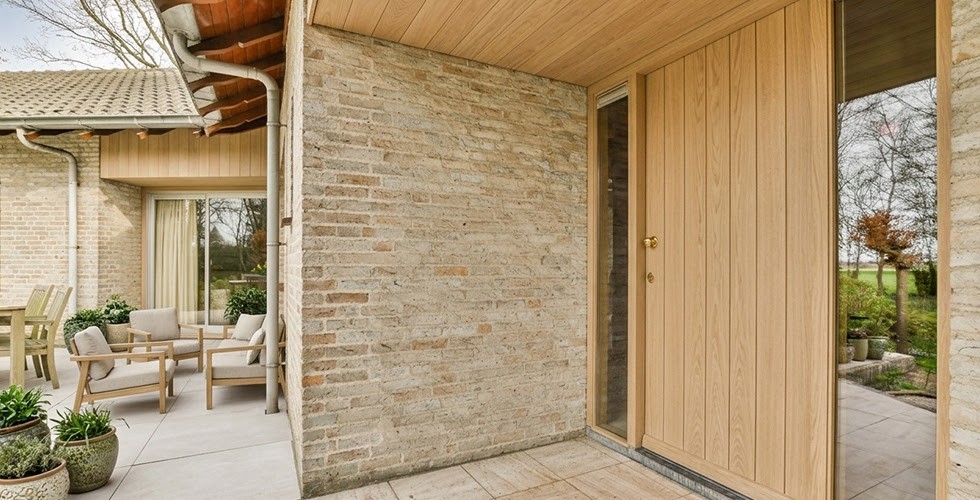
White oak also takes a stain and finish extremely well, which opens up plenty of options to match your interior. Whether you're going for a lighter and more natural tone or something darker and deeper, it takes just as well. White oak is also dense enough to hold up against scuffs and wear without much care, and for a material that sees that much use and also faces the elements from the outside, that durability goes a long way.
For any indoor-outdoor application, that combination of moisture resistance, low maintenance and finish flexibility is about as reliable as it gets.
Douglas Fir Balances Cost and Strength
Douglas fir is one of the more no-nonsense options on this list, and it's a great fit for indoor-outdoor patio doors if budget is any part of your thinking. It's easy to find all across North America, and that availability is a big part of why the price stays as affordable as it does. Most species at this price point have some sort of trade-off - with Douglas fir, the performance holds up.
One of Douglas fir's strengths is how well it takes paint and stain. A finish bonds tightly to the surface, which leaves you with plenty of room to match whatever the rest of your home already has going on. Light stain, dark stain or painted in a single color - Douglas fir works with it well.
With Douglas fir, how well you seal and finish the wood matters a lot. A seal is what stands between the wood and moisture. Once water gets in, the damage can build up very fast. Douglas fir is a very rewarding material to own. But it does ask for a little bit of maintenance in return, and the effort that you put in does pay off.
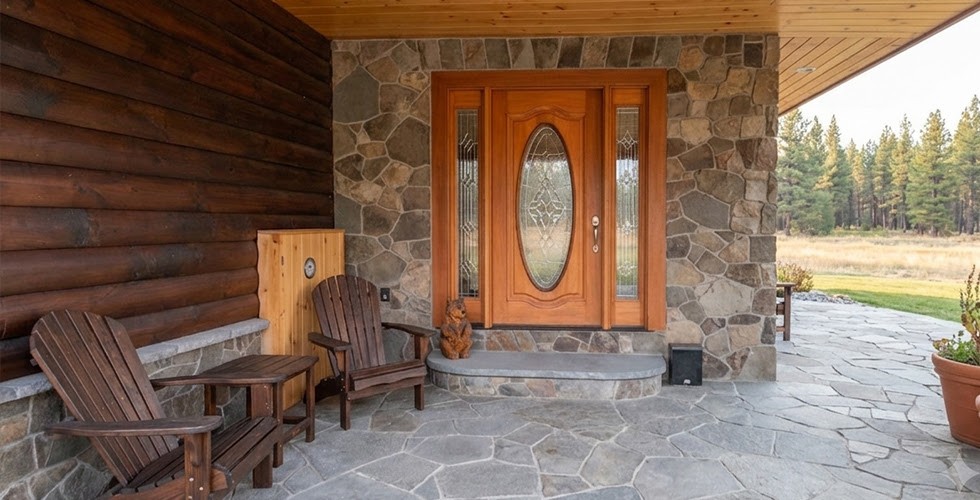
Stability is another place where Douglas fir earns its reputation. As temperatures and humidity levels rise and fall throughout the year, this wood holds its shape quite a bit better than most options at a similar price point. For a patio door that's always caught between indoor and outdoor conditions, that really matters. Two of the most common complaints about patio doors are warping and swelling, and Douglas fir is one of the better woods out there for resisting either one.
For homeowners who want a wood door without the premium price tag, Douglas fir is well worth a look. The right finish matters, and with a little maintenance, it's a wood that can last for decades.
Western Red Cedar Has Lightweight Resilience
Western red cedar has been a trusted material for outdoor structures for a very long time. Decks, pergolas, fences - builders have counted on it to hold up against the elements for decades. Patio doors are no different.
Cedar has plenty going for it outdoors, and a big part of that is its natural resistance to decay and insects. These aren't properties that you get from a chemical treatment - they're already built right into the wood. For a door frame that's up against rain, humidity and year-round temperature swings, that built-in durability matters. Most other wood species need heavy treatment or sealing just to hold up under those same conditions, and cedar doesn't have to.
Cedar is also quite a bit lighter than most dense hardwoods, and the weight difference starts to matter once you're working with large patio door panels.
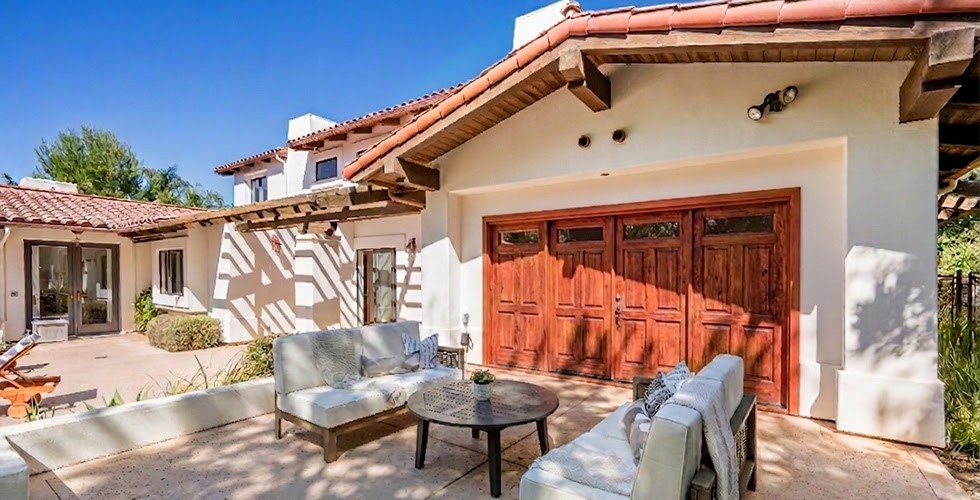
Cedar also has a reddish tone to it and a fine grain throughout - it holds stain and paint quite well. But most homeowners leave it close to its natural color anyway - which is a fair call. The wood looks great on its own and doesn't need much help to look its best.
Cedar is a softwood - it's worth keeping in mind if you're thinking about it for a patio door. Compared to harder woods like oak or mahogany, it's more prone to dents and scratches - especially in high-traffic areas. If your door sees heavy use (kids running in and out, furniture dragged past it quite a bit), that's a trade-off to keep in mind.
Build Something Extraordinary
The right wood for a patio door depends on where you live, what your budget is and how much maintenance you're actually willing to take on. The options span a pretty wide range as well, from premium species that are nearly maintenance-free to more budget-friendly picks that just need a little extra attention every few years.
The up-front cost versus long-term value conversation is one that doesn't get nearly enough attention. A door that costs more but holds up for thirty or forty years with basic care is usually the better buy over the one that needs replacing in a decade. Price tags like to take over when you're in the middle of a choice (it's understandable), but a patio door is not something most homeowners want to replace anytime soon.
Any of the wood species I've covered here can do a great job - it just depends on the right match for the situation and a finish. A well-chosen door with a little care can become one of the best features of a home and one that looks every bit as sharp twenty years from now as it did on the day it was installed.
That said, the right materials are only part of what makes a project work - who helps you source them matters just as much.
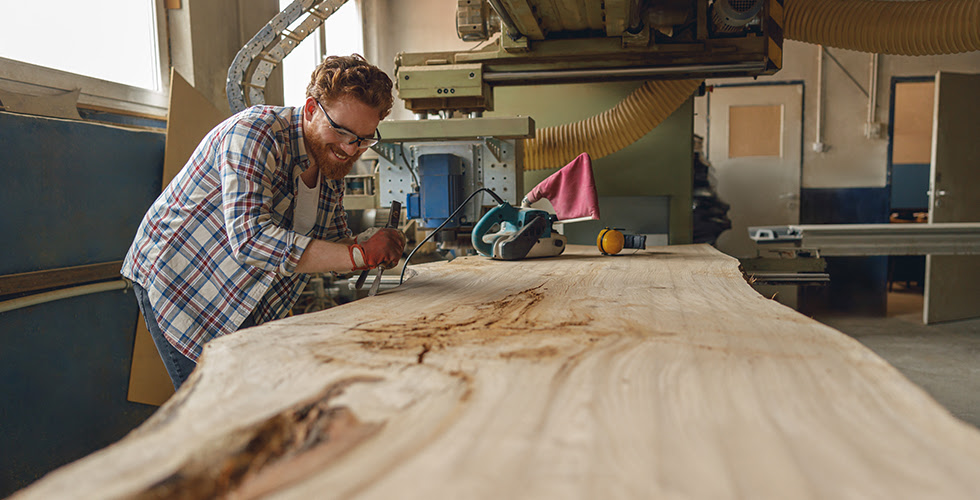
At House of Hardwood, we carry a range of quality lumber and work with homeowners, contractors and builders to help them find just what their project needs. Stop by our yard, give us a call or reach out online - we'd love to talk about your options and help you get started.