
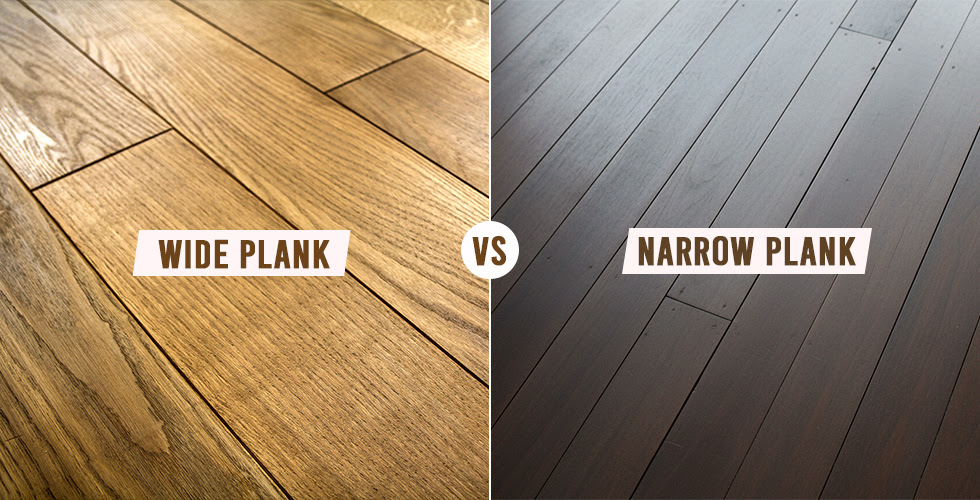
Wide versus narrow plank flooring seems like it should be an easy preference call - at least until the samples show up and the second-guessing sets in. Room scale, subfloor condition, local climate and standard wear all push that choice in very different directions, and most of the flooring guides out there skip right past any of that to go straight to how they look.
Wide planks have surged in popularity for open-concept spaces, and they do look great. Popularity alone is not a performance guarantee, though - it comes up quite a bit. A floor that looks great in a showroom can behave very differently in a 400-square-foot living room - it’s also the case when you add in seasonal humidity swings or radiant heat running underneath it.
I’ll talk about each plank width across every dimension that actually matters - visual scale, dimensional stability, installation needs, climate sensitivity, foot traffic and long-term value.
Let’s find out which plank width will best fit a large room!
Why Plank Width Matters in a Large Room
Wide planks mean fewer seams across the floor, and in a large room, that drop in visual noise does add up. Less interruption across the surface makes the whole space feel neater and more put-together - and it carries a sense of proportion that just fits a big room well.
Narrow planks (2 to 3 inches wide) give the eye far more lines to follow across the floor. In a large room, those extra lines can make the space feel restless and broken up. The room itself hasn’t become any smaller, of course. The floor just starts to feel a little more chaotic than it should.
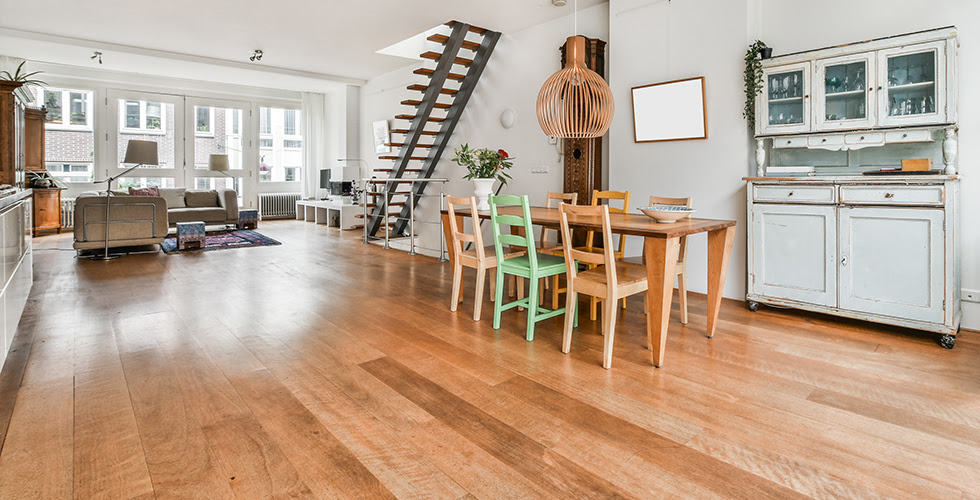
Plank width is something that hardly ever gets the attention it deserves. Most homeowners go into a new flooring project with their sights set on the wood species, finish and color, which are all fair to care about. But the width of each board can affect how open or full a room feels more than almost any other choice in the process, and in my experience, it’s the one that homeowners are most likely to miss.
Wide planks are a natural fit for a large room - they complement the space instead of competing with it. Narrow planks in that same setting can work against the natural openness the room already has.
Scale and Style Both Have a Say
Wide planks in large rooms - it’s one of the most repeated ideas in flooring design, and the logic behind it makes actual sense. A bigger room can hold its own against a dramatic, wide plank without the floor feeling too heavy or out of place.
It’s not a hard law, though.
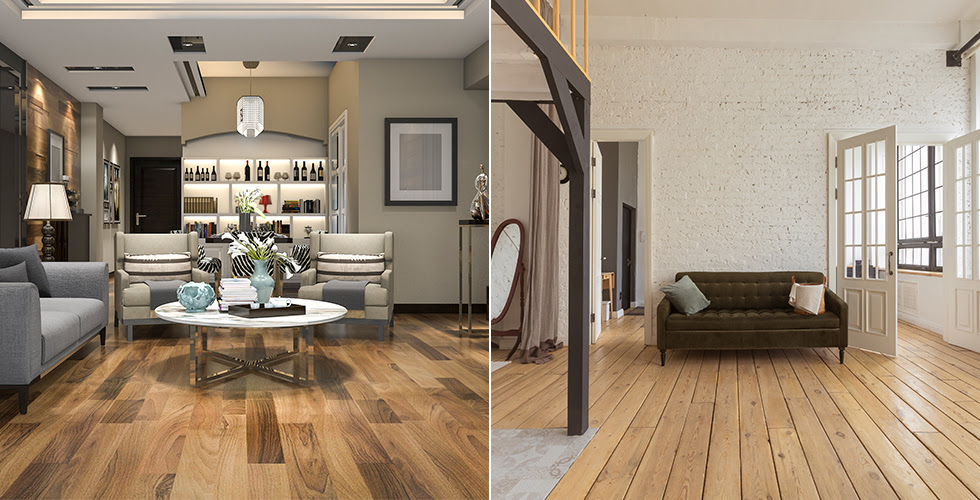
Narrow planks in a large room aren’t automatically a problem - it can depend on what else is going on in the space. A formal dining room with ornate trim, high ceilings and traditional furniture is actually a great example of this. A narrow plank floor in that setting ends up pulling the whole look together instead of working against it. Victorian-style homes make the same case for this - narrower strips just seem to fit right into the period character of the architecture and feel right at home there.
Wide planks give a room a more relaxed and modern feel, and narrow planks pull the design in a more refined or historically influenced direction. Neither one is the wrong answer on its own - it can all just depend on the design direction that you want to go with.
It’s a detail worth thinking through before you make your final choice. Large rooms with a classic or more formal look will usually do better with narrow planks than with wide ones. The scale of the room is part of the equation, no question about it - but the whole style of the room carries just as much weight.
Why Wide Planks Are More Likely to Warp
Wood expands and contracts with the humidity as the seasons change, and the width of a board plays a bigger role in this. A wider plank has more surface area exposed to the air, which means it’s pulling in more moisture than a narrower one would. That extra moisture is what makes wide planks more likely to cup, warp and develop gaps over time.
In a large open room, it gets a bit more involved. A big space doesn’t always have the same humidity levels throughout it - near the exterior walls, windows or doorways, especially, the air can be noticeably drier or more humid than the rest of the room. That sort of variation puts uneven stress on the floor, and wider boards are going to feel that stress quite a bit more than narrow ones will.
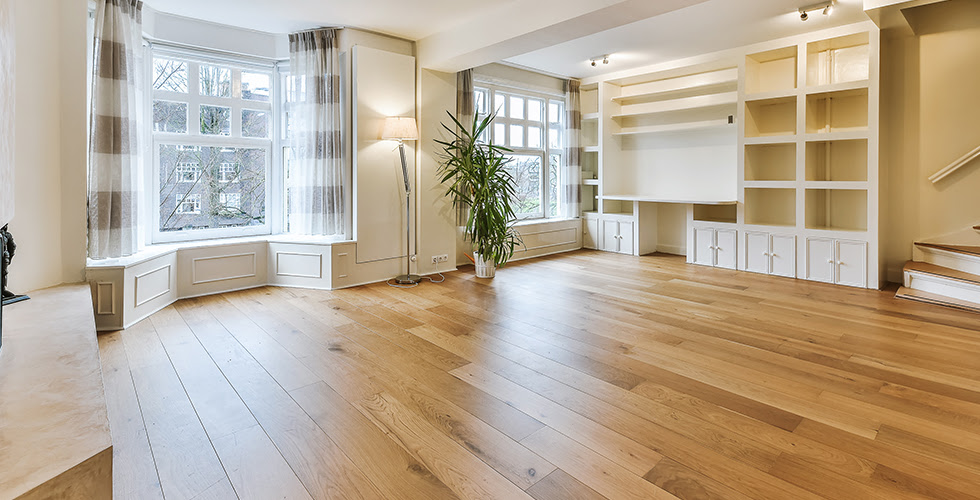
That’s not to say wide planks are the wrong choice - not even close. Wide planks just need the right conditions to hold up well over time. A room with stable year-round humidity will see much less movement than one that swings between bone-dry winters and muggy summers. The species of wood you go with matters quite a bit, too - some woods are just more stable than others.
The width acts as a multiplier for whatever your environment is already doing to the wood. In a well-controlled room with stable humidity and temperature, wide planks can look great for decades with very little fuss. A room that runs hot, cold, dry or humid throughout the year is a very different situation - even a beautiful wide-plank floor can start to wear and warp in ways that are very hard to fix.
How Heat and Humidity Affect Your Planks
Radiant floor heating and indoor humidity swings are two factors you should think through before you settle on a plank width. Both of them put stress on wood over time, and in a large room, that stress has more space to work with - and a much better chance of causing actual damage.
Wide planks have more surface area, which gives them more room to expand and contract with the seasonal humidity - and all that extra movement adds up across a large room. Narrow planks are considerably more stable in that regard and hold their shape much better as conditions change throughout the year. The wider the plank, the more total movement you can expect in a large installation.
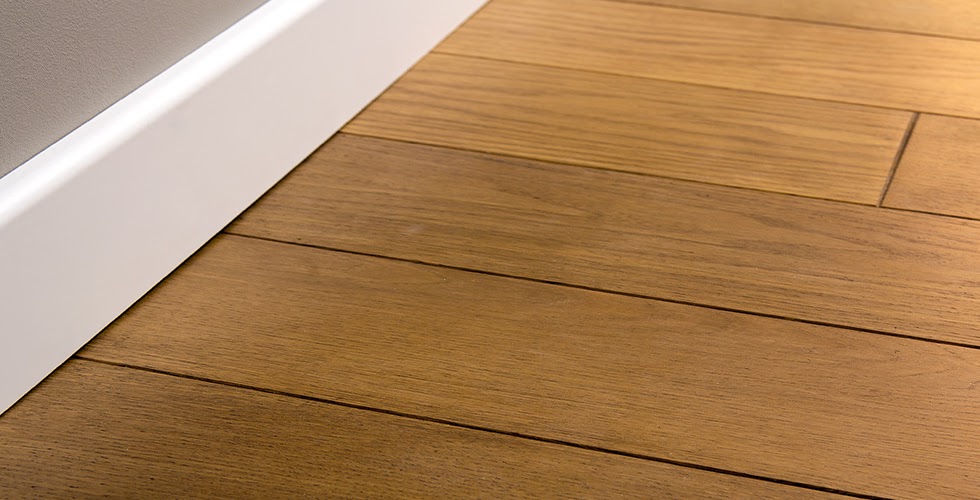
Radiant heat sits directly below your floor and pushes warmth up through the wood from underneath. Wide planks, in particular, take far more abuse from this type of setup than they would get from a standard forced-air system. That exposure can dry the wood out over time and leave gaps between boards or cause sections of the floor to lift.
Engineered wide planks are worth a close look if you have radiant heat but still want that wide-plank look. Because they’re built up in multiple layers, they manage the movement and expansion much better than solid hardwood does. That said, they’re not a fix for the problem - they still respond to their environment, just with much less intensity. If your home tends to swing between high humidity in the summer and dry air in the winter, narrow planks are probably going to serve you much better over time.
Wide Planks Are Harder to Put Down
Wide planks are harder to install than narrow ones, and a large room only makes that worse. A small dip or hump in your subfloor (the kind that might not even register with narrower boards) will show across the full width of a wide plank, and it’s something I see get missed all the time. Your subfloor needs to be much flatter and prepped with more care before a single board goes down.
Acclimation is another factor to plan around. Wide planks need more time to adjust to a room’s temperature and humidity before they’re ready to go down. Narrow planks are more forgiving on that timeline, which can smooth out the schedule on a bigger job.
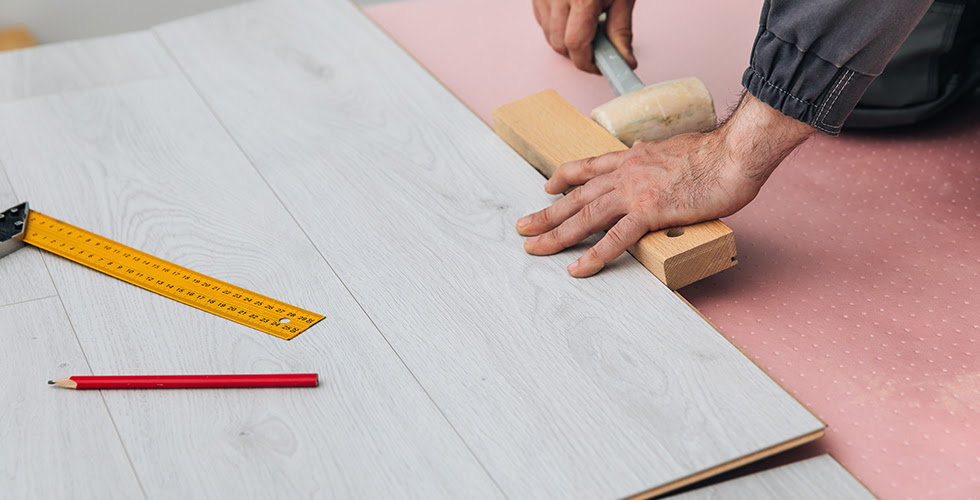
Wide planks are also a little more demanding with fasteners - you’ll usually need glue and nails or screws to keep them flat and stay away from any gaps or cupping over time. Narrow planks can usually just be nailed or stapled. That extra step across a whole room can become a pretty decent amount of extra work.
That means a longer job. A wide plank installation in a large room will take more time at every stage, from prep through to the final finish. That said, none of it’s a reason to write off wide planks - and if you’re already investing in quality hardwood, it’s worth considering how that same material could work for wood bookcases and built-ins elsewhere in the space.
How the Room Gets Used Really Matters
A large living room with kids, pets and a steady stream of foot traffic is a whole different world from a formal sitting room that gets used a few times a week at most. The floor in a busy family space takes an actual beating - spills, dropped items and a whole lot of standard wear that sure does add up. Where a floor actually lives in your home has an actual effect on whether wide or narrow planks are the right fit for your space.
Narrow planks are usually a better fit for high-traffic areas. With the wood grain spread out across more pieces, any small scratches or scuffs are much harder to see - and much easier to touch up over time. Wide planks are a different matter - each board is one large, unbroken surface, and those marks just have nowhere else to go.
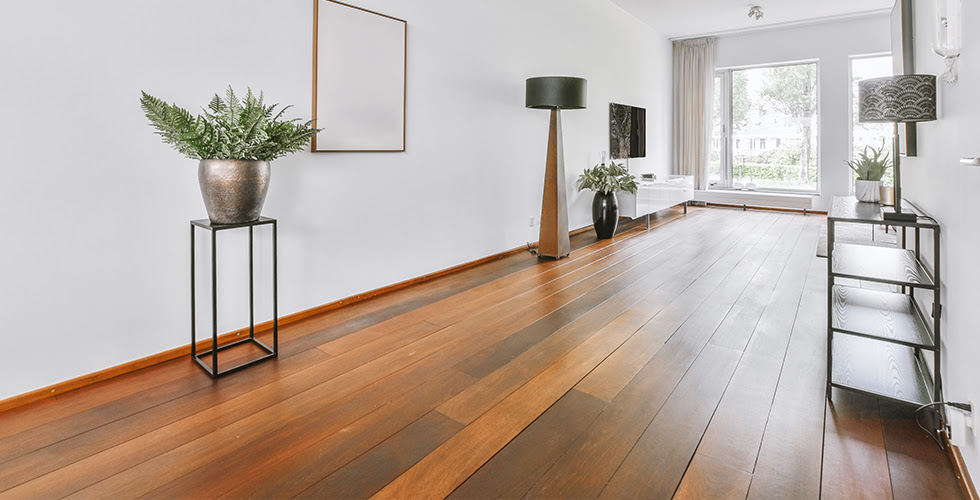
Don’t make a final call on anything until you take a slow walk around your busiest room and then take a close look at what that floor actually goes through in a normal week. That one exercise will tell you more than any spec sheet or sales pitch ever could.
What Should You Think About Before You Decide
Plank width is one choice where it pays to think through it before making a final call. Plenty of homeowners get fixated on looks alone, and they settle on a width based on whatever caught their eye at the showroom.
That’s a fair enough place to start - but it’s only part of the picture.
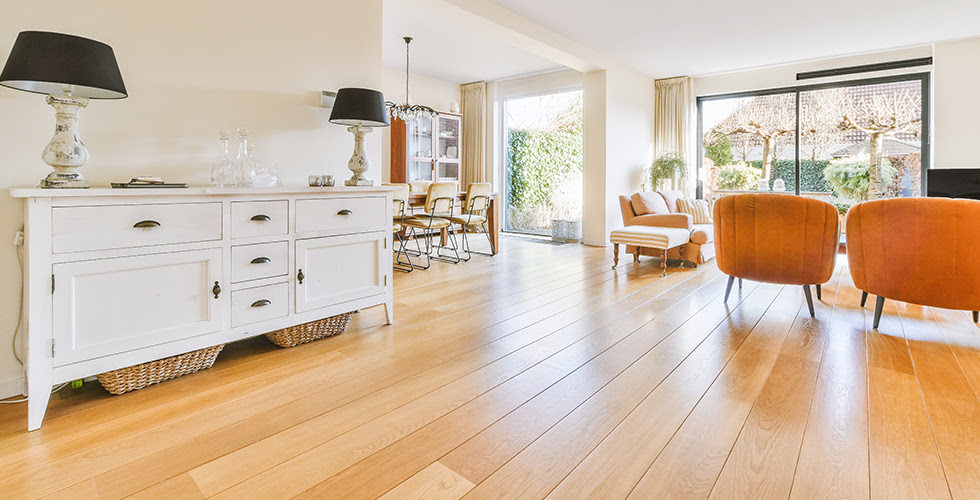
The day-to-day side of that choice matters just as much as the visual side - and in plenty of cases, it’s the one that matters more. Your room size, the general style you’re going for and how much foot traffic the floor has to hold up every day can all quietly push you toward one option well before personal preference even enters the picture.
Climate deserves a bit more attention than most give it. Wide planks are actually pretty sensitive to humidity swings - if your home runs dry in winter or gets muggy in the summer, that’s going to affect how well the floor holds up over the years. Your subfloor plays into this as well - some installation methods, like glue-down or floating, suit certain subfloor materials better than others.
It’s also worth asking yourself how long you’d like to stay in the home. A floor that’s laid with resale in mind a few years from now is a very different call from one that’s meant to last for decades - and in my experience, that one question tends to make everything else noticeably sharper once you have an answer to it. Neither path is wrong - they just point you toward different priorities.
Build Something Extraordinary
What’s trending can be a source of inspiration, and there’s nothing wrong with that. For a big flooring choice that has to last for years, though, they can only take you so far. Homeowners who are happy with their floors are usually the ones who gave just as much thought to the day-to-day side as they did to the visual one.

With any luck, this rundown helped spell out what actually matters most and why. Ready to take the next step and see your options up close? House of Hardwood is a great place to start.
Come visit our showroom and see our full range in person, or give us a call - we’d love to talk through what makes the most sense for your project! Whether it’s custom wood paneling or another build, we’re here to help.