
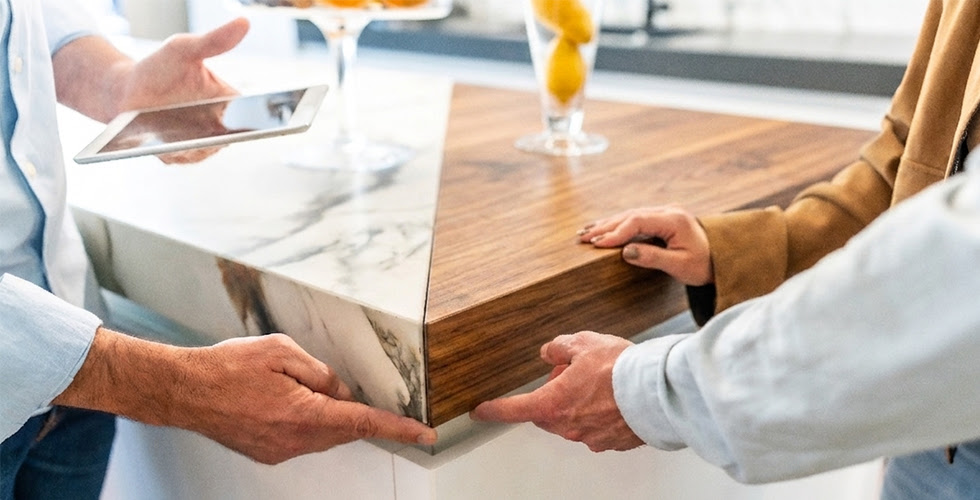
Marble had a very long run in Los Angeles interiors - white kitchens, polished stone islands, that pristine showroom finish that photographed beautifully but felt just as cold and untouchable in person. For close to a decade, that look more or less defined what aspirational West Coast living was supposed to look like. Many of the same designers have since moved on to walnut, and it's steadily taken over in new builds and renovations all across the city.
For anyone in the middle of a kitchen or bathroom renovation, that choice comes with a set of questions worth thinking through. Marble has a built-in prestige behind it that walnut still has to earn - at least in most homeowners' minds. Whether wood holds up the same way, what long-term maintenance looks like and whether a warm wood tone reads as a luxury material or just comes across as rustic - none of these are small questions. A countertop or a vanity is a long-term commitment, and a wrong call there can get expensive pretty fast.
A big part of what's driving this comes back to how homeowners actually want to live in their homes. Warmth, livability, material sourcing, European design trends and what these surfaces cost to own over the long haul - walnut has a pretty strong answer to them, and marble has a hard time keeping up with most.
LA's design community has quietly caught on, and the projects coming out of the city are a reflection of it. There are some good reasons why walnut is winning over marble in LA's design world.
Let's talk about them!
LA Fell Out of Love With Marble
Marble has always looked beautiful in a magazine. What it's really like to have it in your home every day is a whole other story.
LA homeowners have been feeling this tension for a while. White marble kitchens and stone-clad living rooms are legitimately beautiful - and no one would argue with that. Even so, those same spaces can start to feel more like a gallery than a place to unwind. When everything is pristine and everything feels off-limits, it gets so hard to just sit down and feel at home in your own house. Plenty of homeowners eventually realized they were tiptoeing around their own spaces.
Families with young kids feel this the most. A marble kitchen island is undeniably beautiful (nobody's going to argue with that), but it also comes with a low-grade source of stress. Marble is porous and stains fairly fast, which means every glass of juice or a splash of olive oil is a small threat to the surface - it's mental energy to spend on a countertop. Over time, it does wear on you.
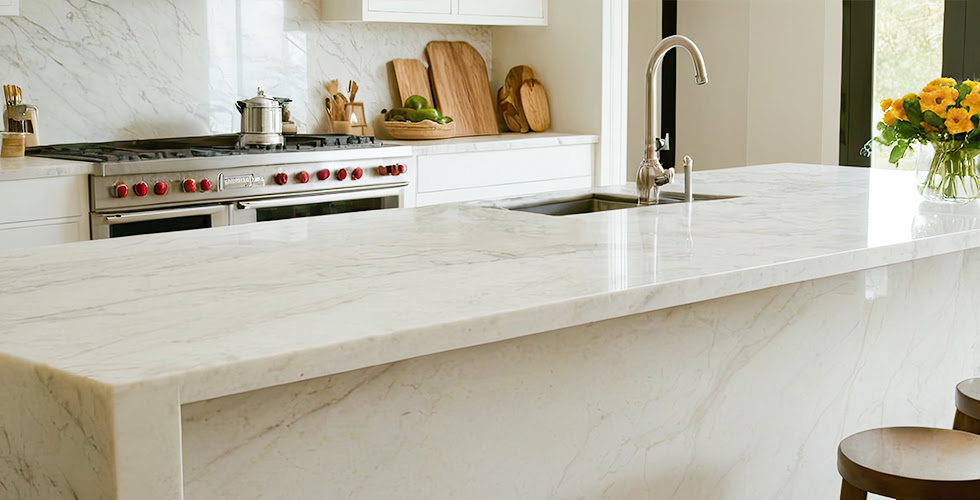
Designers started picking up on a pattern with their clients - and it wasn't a request for something cheaper or plainer. What homeowners actually wanted was warmth. They had grown tired of spaces that felt more like showrooms than places where life happened. Marble is beautiful, and there's no question. But it carries a coolness that's very hard to get past. After a while, it starts to feel like your own home is keeping you at a distance.
Day-to-day, white marble runs cold and impersonal in ways that the photos just don't capture - and from what I see, plenty who went all-in on it a few years back would agree. The look was right - but the experience wasn't.
How Walnut Changed the Look of Luxury
For a long time, luxury interiors leaned heavily on materials that look striking but feel cold and distant to actually live with. Marble is probably the best example of this - it reads as money and refinement. But it can also make a room feel more like a showroom floor than a home. Warm minimalism came about as a pretty direct reaction to that.
Walnut is probably the wood that this movement was made for. Its rich shades bring depth to a space, but it never feels visually heavy or busy. The natural grain gives clean-lined furniture a quiet character that's pretty hard to pull off with any other material. The end result looks intentional - but never sterile.
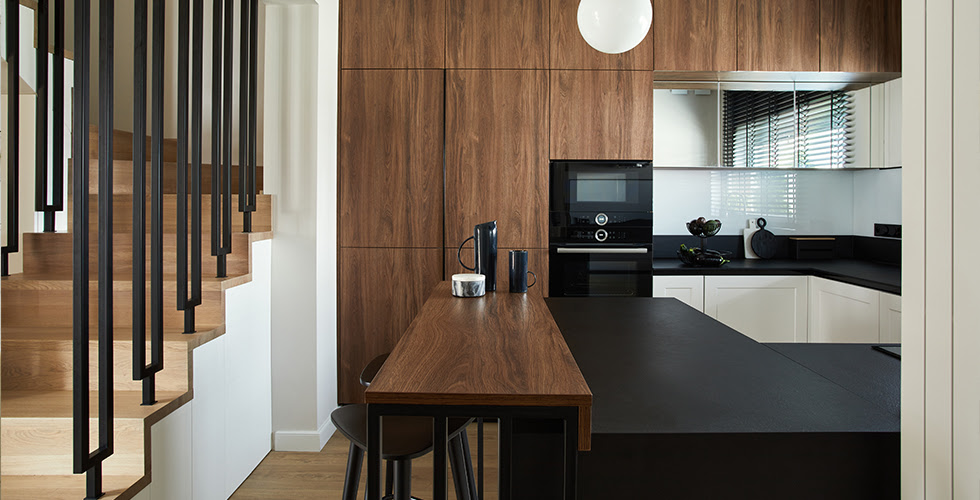
By 2021 and 2022, walnut had taken over - design publications, editorial shoots and every interior-focused Instagram account that you could find. Walnut tables, walnut shelving, walnut paneling. Designers had reason for the obsession though. Walnut can ground a whole room and give it weight without visually competing with everything else around it.
The bigger question here is why luxury and warmth were ever treated as opposites at all. Most of that traces back to how status has historically been expressed through interior design. Polished surfaces have always read as expensive in a way that tactile materials just didn't. A cold marble floor tells everyone in the room that it wasn't cheap. A walnut shelf just didn't carry that same weight for most of design history.
Warm minimalism pushed back on that assumption pretty directly, and walnut turned out to be one of the best materials to express it. The wood never tries to win you over with flash or spectacle - it earns its place through texture, warmth and restraint. That combination turned out to be just what a new wave of interior design was looking for.
How European Wood Trends Came to LA
Walnut has centuries of history in European design. That track record helps explain why it feels so at home in the minimalist spaces that LA designers are putting together.
Natural wood has been a staple of Scandinavian interior design for decades. Walnut in particular became a natural choice for Danish mid-century furniture. Part of the appeal was that walnut tends to read as refined and elevated without ever becoming stuffy or overdone. That same quality (warm, grounded and quietly pulled together) is a big reason why it fits so well into the direction that LA interiors have taken over the past few years.
The big high-end Italian kitchen names built their whole visual identity around walnut cabinetry - they paired it with matte stone and minimal hardware, and the result landed somewhere that felt luxurious and grounded all at once. That combination got plenty of traction in design circles, and it didn't take long before LA designers started to work those same ideas into their own projects.
A fair question at this point is whether walnut feels too rustic for a city like Los Angeles, given that it's a wood after all. Europe has an answer to that, though - walnut has held its own for decades in some of the most design-forward interiors in the world. The grain gives it warmth and depth. But it's the finish and the materials around it that shape how it reads in a room. Next to plaster walls, blackened steel or honed stone, it comes across as deliberate and put-together - a long way from rustic. The version of walnut that LA designers gravitated toward was never the woodsy one - it was always the Milan showroom version, and I think that gap matters.
The Rooms Where Walnut Beats Marble
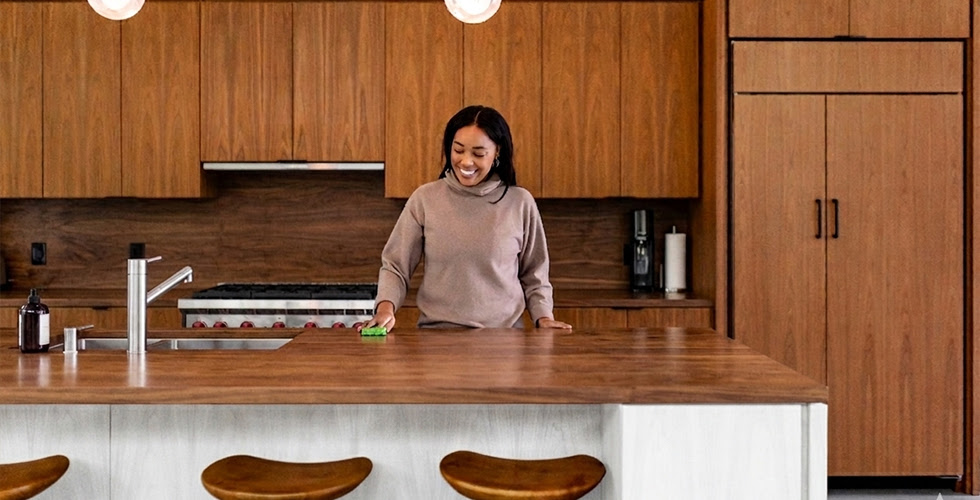
Walnut has made its way into nearly every room in the house - and not in an over-the-top way. Kitchen islands are usually the first place a designer will reach for it, largely because the warmth of the wood can add something that even the most premium stone slab just can't replicate.
Bathroom vanities are another place where walnut works. Add some brushed metal hardware and a few clean white fixtures, and the whole space feels deliberate and pulled together without ever going too far. It's a rare combination where everything just works.
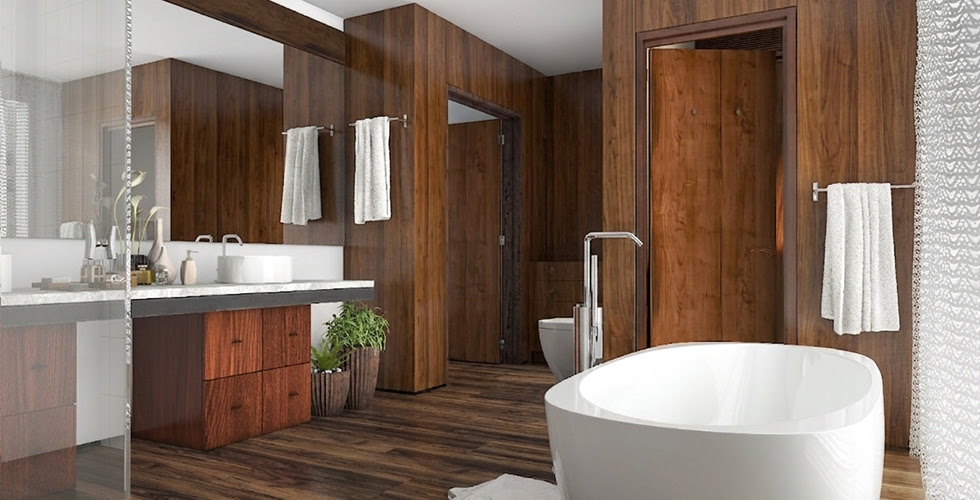
Built-in shelving and wall paneling are where walnut gets to show what it can do. A full walnut-paneled wall in a living room or home office has a sense of weight and craftsmanship that painted drywall just can't replicate - it changes the whole personality of a room, and it's hard to grasp until you're actually standing in front of it.
What's interesting is how designers are making this work. The move is to swap out one surface at a time - a new island top here, a custom vanity there. It's a gradual process, and for most homeowners, that's what makes it feel manageable. Even small swaps can improve how your home looks and feels.
A well-placed walnut surface can carry weight on its own. Even a single swap (like a new vanity top or a reclaimed walnut shelf) tends to become the focal point of the entire room. In my experience, walnut does that more reliably than almost any other material - it just fits wherever you put it, and it never has to fight for attention.
Walnut is the More Sustainable Choice
For LA homeowners, the choice to go with walnut runs a bit deeper than just how it looks. Most of it traces back to where the wood actually comes from.
Marble has a long way to go before it ever ends up in your home - it gets quarried out of the earth, processed and then shipped thousands of miles. Every step burns through energy. Walnut is a different story - it can be harvested from managed forests where new trees are planted to replace any that get taken.
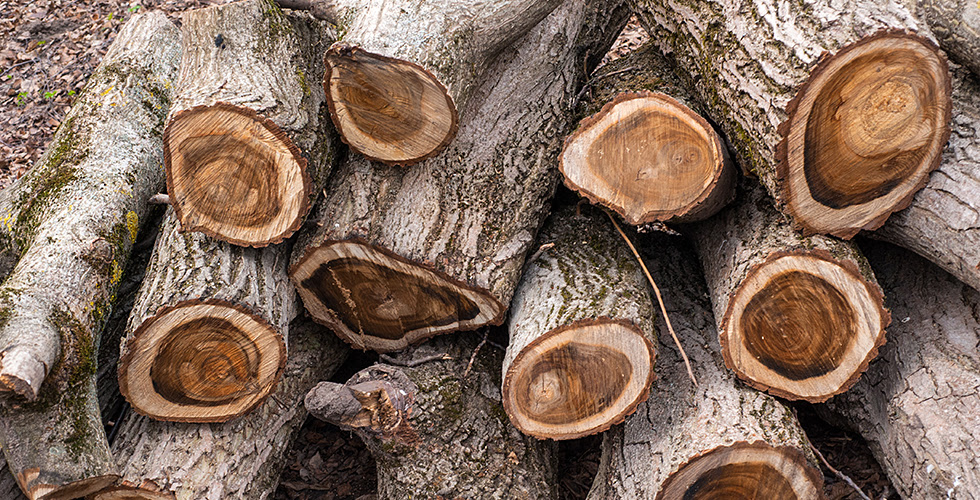
For a growing number of buyers in this city, this does matter. Los Angeles has always been a place where environmental values carry weight in how they spend their money - and building materials are no different. When a homeowner knows that their countertop or shelving came from a responsibly managed source, that confidence is very much part of the value - and part of what they're willing to pay for.
Most buyers have no idea where the stone in their kitchen came from, and I don't blame them for it. The supply chain for natural stone is a long one and not necessarily the most transparent, which makes it quite hard to know what you're buying into. The origin of stone materials is almost never something that you can pin down.
Wood is one of the easier materials to trace back to its source, and walnut in particular has a well-established supply chain behind it. Certifications like the FSC (Forest Stewardship Council) label give buyers a direct way to verify that what they purchased was harvested responsibly. That type of paper trail is much harder to find in the stone market. For homeowners who want their renovation to meet their values, that extra layer of transparency matters.
Why Walnut Works With Plaster and Limewash
Plaster and limewash walls usually sit in chalky shades, and walnut's dark grain gives the eye something to actually land on. Without that contrast, a room can start to feel a little flat - not bad but a bit unresolved. The walnut grounds the palette - it's harder to achieve with lighter woods.
Natural stone works best as an accent in these spaces instead of as the primary material. A stone sink, a small hearth surround or a single tiled surface can do quite a bit to add texture and still not compete with the walnut. Scale matters here - a little stone reads as intentional and too much starts to pull attention away from the walnut in a way that doesn't serve either material.
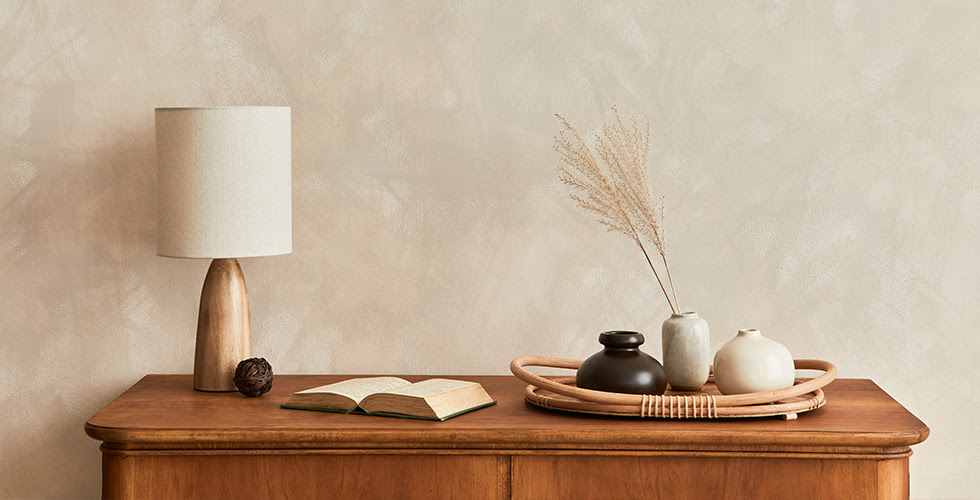
The idea is to let each material have its own visual presence instead of giving everything equal weight. Walnut, plaster and stone each have a very different texture and depth and part of what makes this combination work is that none of them are trying for the same effect.
When that balance is right (and I find that it's a pretty fine line), the whole space ends up feeling layered and intentional.
Build Something Extraordinary
What homeowners are after are spaces that feel warm and intentional, that age gracefully and don't need nonstop maintenance just to look the way they did on day one. Walnut hits every one of those marks - and for a single material to pull that off all at once is pretty rare.
This wasn't something that started in LA - the momentum had been building quietly in other parts of the world long before it arrived here. European designers had already been working with walnut in high-end kitchens, in refined living spaces and interiors that had nothing rustic about them at all. That gave LA designers a much better idea of what was possible with the material. The look was already well developed by then - it just needed a new address.
The materials in a home are supposed to make your life a little easier - not add to your to-do list. Walnut is one of the rare materials that actually delivers on that - and it does it without asking much in return.
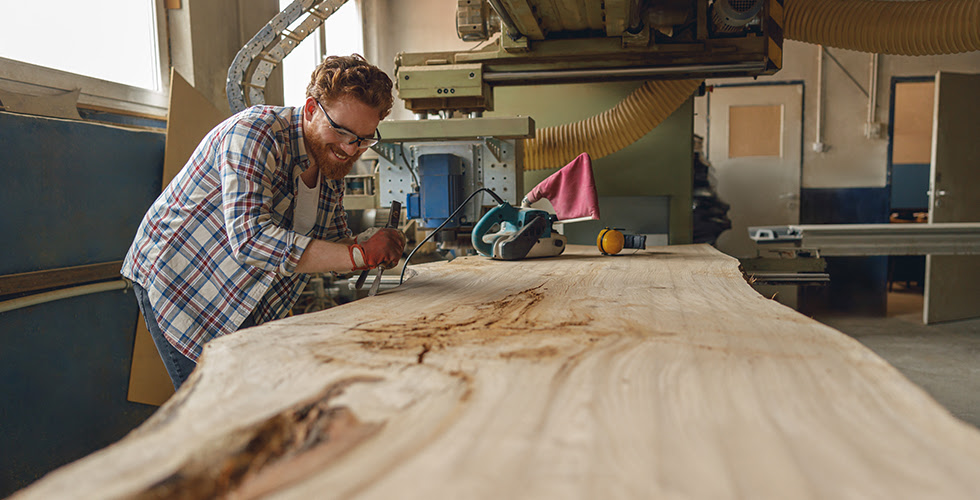
If a renovation is starting to feel more concrete and you want to get a better sense of what walnut could do for your space, then House of Hardwood is worth a visit. We carry a set of premium hardwoods, and we work with homeowners, contractors and designers all across West LA to help them find just what their project needs.
Stop by our yard on Wellesley Ave or give us a call - we'd love to talk through your next step!