
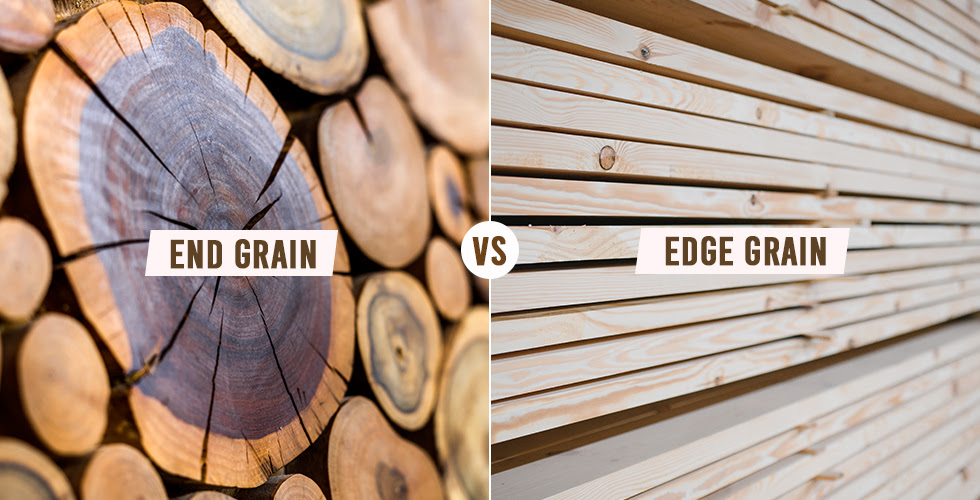
A hardwood lumber yard can be quite a bit to take in - boards stacked from floor to ceiling, dozens of species to choose from and price tags that don't tell you much about what you're looking at. Most buyers gravitate toward color or figure first - it's a natural place to start. A beautiful board can still be a pain to work with if you haven't paid any attention to how it was cut from the log.
Grain orientation is something that almost never gets enough attention at the point of sale. The direction the grain runs in a board has a real effect on how it responds to hand tools and knives, how well it accepts a finish, how much it moves with humidity through the seasons and if it stays flat over time or starts to warp mid-project. None of that shows up on a bin label - and it's one of the more important details to get right before the wood ever makes it to your bench.
Boards can be cut from a log in a few ways (flatsawn, quartersawn, and riftsawn are the main three), and each of them actually behaves a little differently once it's in your hands. A quartersawn board can sit on a shelf for years and barely move at all. That same species, when cut flatsawn, might cup or warp within a single season - it's also the case if your shop doesn't have reliable climate control.
For anyone who works with wood quite a bit, it's a skill worth having on your next trip to the lumber yard. A bit of time spent on end grain can save you from boards that warp long before a project is even finished. The investment is minimal, and the return is worth it - it tends to be one of the first skills to learn because it changes the way you look at lumber from that point on.
Let's get started on the differences so you can choose the right board!
What Wood Grain Does to a Board
Wood has growth rings that run from the base of the tree to its tip. The way a board gets cut from the log will affect which part of the rings ends up on the surface - that one choice has an actual effect on how the wood acts for the rest of its life.
Wood fibers are like a bundle of drinking straws packed side by side tightly. With edge-grain boards, the long sides of the straws face toward you. With end-grain boards, you're looking straight down into the openings at the top of each straw. That change in orientation is what causes the two cuts to behave so differently.
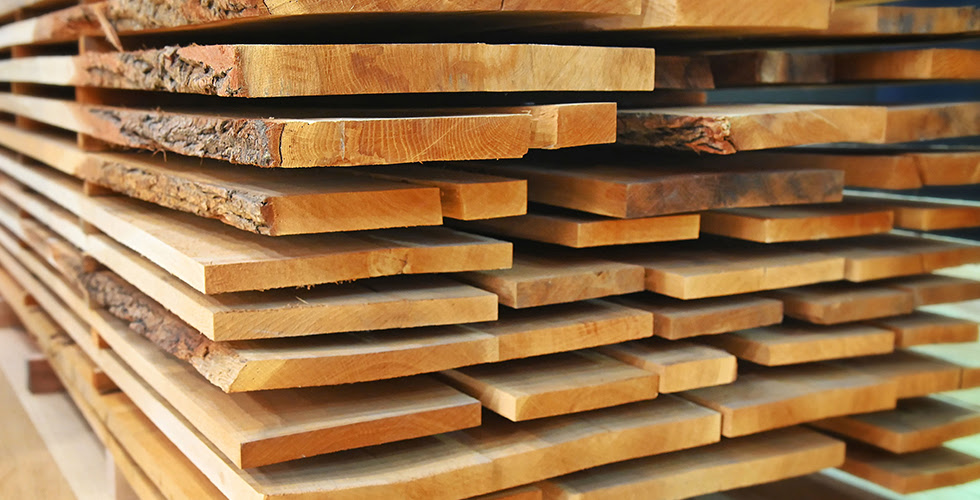
Moisture is actually one of the biggest differences between end-grain and edge-grain boards. The open ends of the wood fibers drink up water and release it much faster than the sides of the same fibers do - and all that fast movement is what causes end grain to swell and shrink more dramatically over time. A board that moves like that changes how you build it and how you take care of it.
Hardness and wear resistance also change quite a bit based on which face of the board you work with. The end of a wood fiber is denser than its side, and it holds up much better against repeated use over time. In my experience, it's the part that buyers don't think about enough when they choose a board for heavy day-to-day use - like a cutting board or a workbench top.
Nearly every other difference between end-grain and edge-grain boards traces back to those two points. The rest of the picture tends to fill in from there.
What Sets End Grain Apart From the Rest
End grain is the face you get when a log is cut straight across - it's that full cross-section that exposes the tree's growth rings all at once. It's those rings, laid out right next to each other, that produce that beautiful pattern of concentric circles and ovals across the surface of the board.
Aside from the looks, woodworkers and butchers have relied on this style of board for well over a century, and there's a very real reason for it. A knife blade that hits end grain will actually slide between the wood fibers instead of cutting straight through them. Those fibers are also a little elastic - they can close back up on their own after repeated use over time. That natural self-healing quality is a big part of why end-grain boards hold up well to heavy day-to-day use.
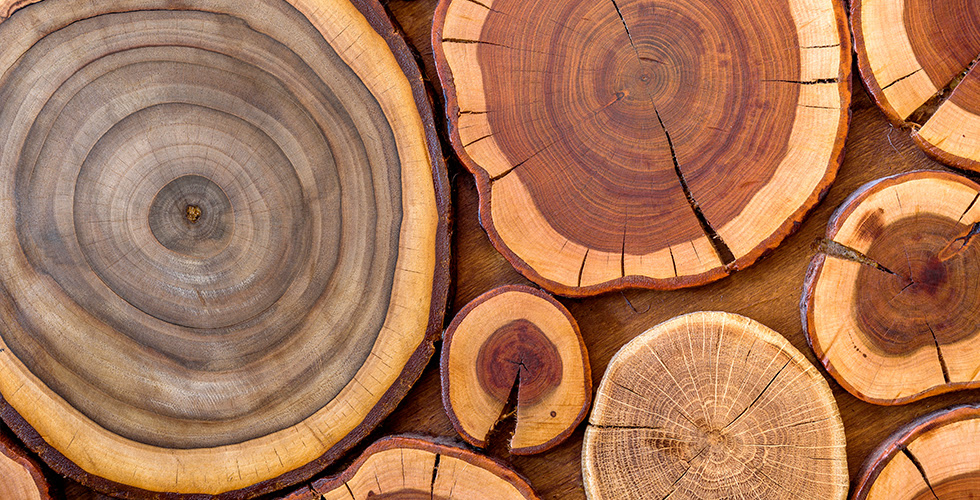
For one, end grain is extremely thirsty - it drinks up oil, wax and finish much faster than face or edge grain does, so plan on going through a bit more product than usual to get a result. Glue and adhesives are another place where end grain will give you a hard time. That porous surface will soak up your glue before it even gets a chance to bond, which makes strong and tight joints much harder to get right. A technique called size coating (where you apply a thin layer of diluted glue to pre-seal the surface first) does a great job of working around that issue.
End grain also takes more time and attention to flatten out and finish than the other cuts do. The surface has to be very smooth (we're talking silky smooth) if you want that ring pattern to look great. A sharp hand plane or a well-executed sanding progression will go a long way toward making the final piece look its best.
The Real Strengths of Edge Grain
Edge-grain boards get their name from the way they're cut - the growth rings run lengthwise along the board instead of across it. That single detail has a big effect on how stable the wood stays over time. End-grain cuts can expand and contract quite a bit more with humidity changes, and if your board lives in a kitchen or a workshop where moisture levels are always going up and down, that extra stability is worth quite a bit.
Stability is where edge grain earns its reputation. It's far less likely to warp, cup or twist compared to end grain, which matters quite a bit for anything that has to stay flat and true.
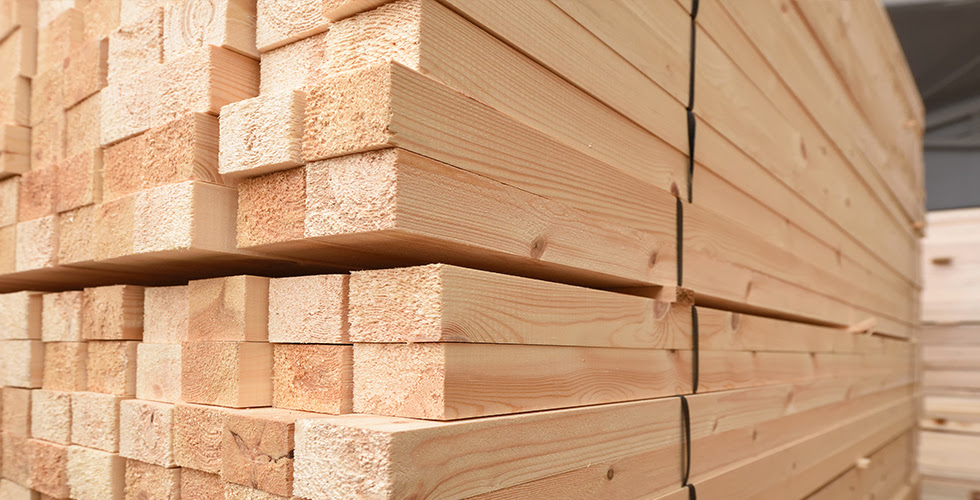
Walk into almost any lumber yard, and edge grain is what you'll find stacked in the racks. It's the standard cut across the industry, which means it's pretty easy to source and price out and very beginner-friendly to work with. Tabletops, shelving and flooring have all relied on edge grain for a long time and for an actual reason - it tends to be the right choice for those kinds of projects.
Plenty of woodworkers default to edge grain almost automatically - it's familiar, it's reliable, and it holds up well across a number of projects. That sort of comfort and familiarity is understandable, and for most projects, edge grain is the right call (it's not a knock on it) - I'd recommend edge grain for most woodworking jobs. Before going with the most familiar option, it's worth asking what the project actually needs from the wood. Edge grain is hardly ever going to let you down. End grain, that said, does have a handful of strengths that edge grain just can't match.
Why End Grain Costs More Than Edge Grain
End-grain products can run anywhere from two to three times the price of their edge-grain counterparts, and there's a reason for that - it all can depend on how they're made.
End-grain boards come from small pieces of wood, cut and glued back together in a very precise arrangement. It's a slow process, and it does take a steady hand and plenty of patience to get it right. Edge-grain boards, in comparison, are made from longer strips of wood that fit together much faster and with way less fuss.
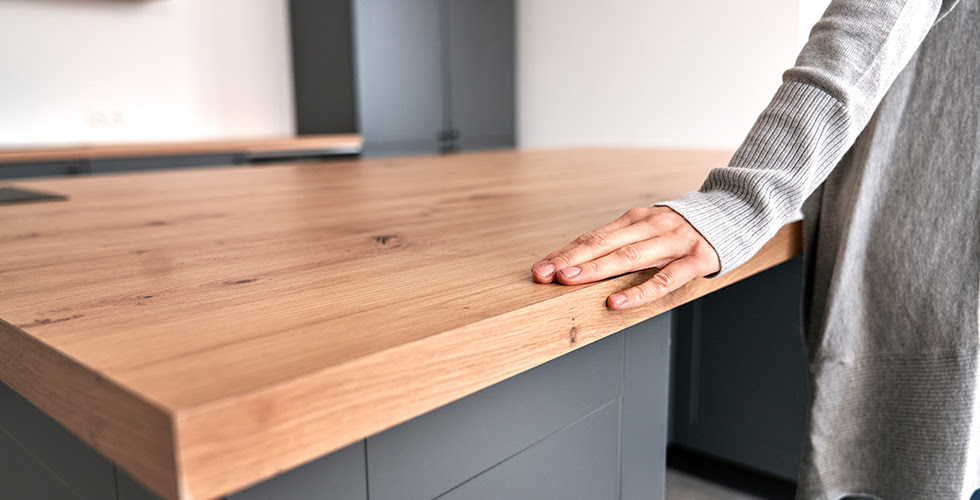
In practice, you pay for labor just as much as you pay for the wood itself - and it's worth a second thought before you settle on the more expensive option.
For a butcher block countertop or a heavy-use cutting board, though, the answer is usually yes. End grain has a self-healing surface, and it works with abuse quite a bit better than edge or face grain. When a board gets used hard every day, that extra durability is worth the price.
For a shelf, a tabletop, or just about any furniture piece that sees light use, edge grain holds up just fine. It's tough, it looks great, and it tends to be way easier on the budget. Most of the woodworkers and clients I've worked with don't need end grain nearly as much as they thought they would.
Pick the Right Grain for Your Project
End grain is the natural choice for cutting boards and any kitchen surface that gets heavy use. The wood fibers are oriented so a knife blade can pass between them instead of cutting straight across them - it's what keeps the board from being torn up over time. End grain also has a sort of self-healing quality to it - after a knife passes through, the fibers can close back to some degree on their own.
Edge-grain wood is a strong fit for projects like furniture, built-in shelves and hardwood floors. A surface built from edge grain holds its shape and stays flat over time. Humidity has much less of an effect on it than it does on end grain, so you're not going to run into nearly as much expansion or movement over the years, and it also has a more uniform look across the face of the board, which matters quite a bit more when the piece is a dining table than when it's a kitchen surface.
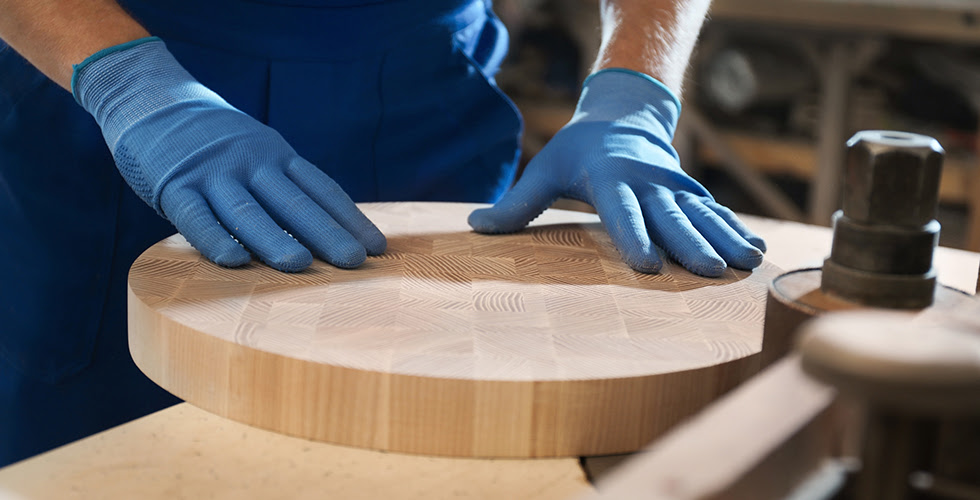
One easy way to land on the right choice is to just think through what the piece will actually need to manage. A cutting board is up against knives, water and direct food contact every day. A bookshelf holds weight, stays in the same place for years, and mostly just sits there. Those are very different jobs, and the grain should match the needs of each one.
Anyone who gets stuck on the question can lead with what it needs first, and the right grain choice will usually sort itself out from there. A surface that takes on heavy knife work (your main prep area in the kitchen) - that's your end grain candidate. A surface where long-term stability and appearance carry more weight than raw utility - that's where edge grain is nearly always the better fit. Frame it that way, and most projects will practically answer the question on their own.
How to Read the Grain on a Board
Flip a board around and look at its end grain. That cross-section is where the growth rings show up, and they're your best reference point for how the board was cut.
Tight, straight lines that run parallel across the face of a board are a sign - it means you're looking at edge grain. With this cut, the wood rings pass through the board at a sharp angle instead of curving across it. That angle makes an actual difference for a work surface you want to last. Edge grain works well with wear, doesn't absorb moisture as easily, and it's going to age more gracefully over time.
Curved rings, circles or ovals are a sign that you have an end-grain board - one where the rings run up through the face of the wood instead of across it. End grain does have its place (cutting boards are a perfect example, and they're usually end grain by design). But for a work surface that's going to hold up over the years, edge grain is the one you want. A quick look at the end of the board will tell you what you're holding.
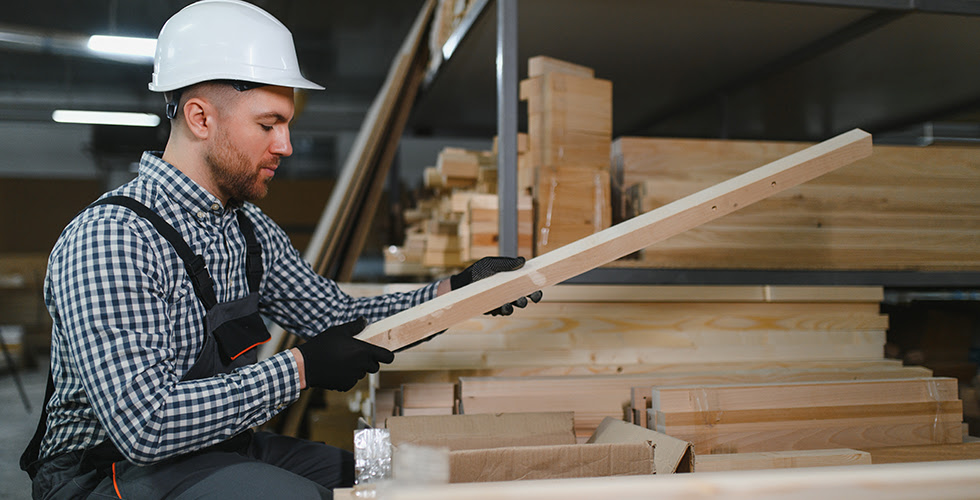
A yard worker can help here. Most of them are more than happy to go through the stack with you and point out a few examples, and they legitimately like a customer who wants to learn.
Ring-reading does take a little practice before it all starts to feel natural. The more boards you look at, the faster your eye will start picking up the patterns. A few minutes of actually walking around the yard and looking at boards will do more for you than reading about it a dozen times over - and I mean that. Give yourself that time - don't rush through the stack just to get back home faster. Step back, put a few boards side by side and let your eye do the work.
Mistakes with Grain Orientation
Wood movement is one of the most misunderstood parts of working with hardwood, and it gives woodworkers issues. End grain and edge grain actually behave quite differently when humidity changes, and the difference matters once a project gets underway.
End grain absorbs and releases moisture much faster than edge grain does. That faster movement means it also expands and contracts more dramatically under the same conditions. A tabletop made from end grain needs space to expand and contract - without it, the wood can warp, crack or pull apart at the joints over time, and none of the repairs are going to be cheap.
Thankfully, this is easy to plan for. Before you lock in a design, it's worth taking the expansion into account. Make sure your joinery is able to manage a little movement. First-time builders skip that step, and it's usually where the build starts to go wrong.
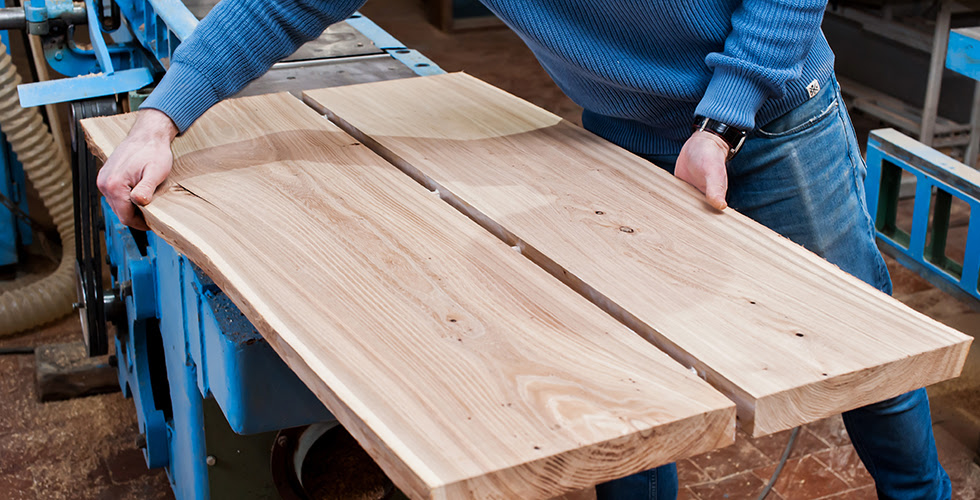
End-grain boards also take more time to mill. That extra time shows up in the price tag. For most projects, if the look or the added durability of end grain isn't a priority, edge grain will do the job just as well - and at a lower cost, with no actual compromise on quality.
Newer woodworkers think hardwood is more or less the same, no matter how it was cut. That assumption is how woodworkers end up with the wrong board for a project. The cut orientation shapes how the wood moves over time, how the finished surface turns out and how well it all holds up after years of use. Quartersawn lumber, for example, moves and performs quite differently from flatsawn boards cut from the same tree.
This doesn't take years of shop experience to get right. It all rests on one question you should ask before you buy - whether this board was cut for what you're building. Otherwise well-planned projects fall apart purely because that question never came up at the lumber yard.
Build Something Extraordinary
A lumber yard trip built on a plan feels very different from just showing up and hoping something works out. That gap (between guessing and learning about what you need) is what a sense of grain orientation gives you. It's not a hard concept, and it doesn't take years of experience to get it right. You'll be able to make better decisions at every stage of a project.
Wood behaves the way it was designed to, and your only job is to match the right cut to the right application. With an easy framework like this behind you, that whole process can become more natural the more boards you work with. The decisions that felt uncertain start to come more naturally, and you're spending less time second-guessing and more time building.
Whenever you're ready to put any of this to use, we at House of Hardwood would love to be part of your next build. We carry a full range of premium hardwoods, and we have the firsthand experience to back it up - the kind that actually matters when you're standing in front of a stack of lumber, and you're not quite sure what to reach for. If it's a large project or a single board for something small, we're happy to talk through your options and help you leave with what you need. Stop by our yard on Wellesley Ave in West Los Angeles, give us a call or reach out online.
We'd love to help you build something worth being proud of.