
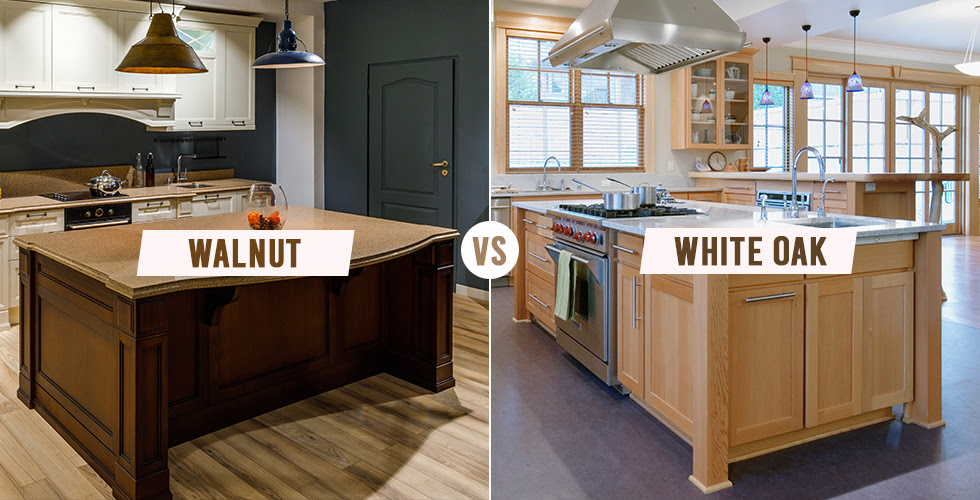
Walnut or white oak for a custom kitchen island - if you're trying to decide between these two, it can be tough because these two hardwoods are great options, and each one has its own strong points. Walnut brings that rich, deep chocolate color that interior designers love to work with, and white oak delivers exceptional durability at a price point that's quite a bit easier on the budget.
These two woods show up in high-end kitchen designs time and time again. When it comes time to actually choose one over the other, most homeowners have a hard time with the choice, and it makes sense. A kitchen island is a big investment that's going to be in your home for at least 10 years or maybe longer.
Let's talk about these two beautiful hardwoods so you can choose the perfect island!
What Makes Your Kitchen Island Last Longer
White oak scores 1,360 pounds of force on the Janka hardness scale, and walnut measures closer to 1,010. Kitchen islands actually take quite a beating during everyday use. Cast iron skillets get set down harder than anyone means to. Kids throw silverware in the general direction of the sink with questionable accuracy at best. Cutting boards slide from one end to the other, and when you're juggling three grocery bags, at least one of them will hit the counter pretty hard.
These little moments do add up. White oak handles this everyday wear much better than walnut does. It's a denser wood, so it resists those small dents and scratches as they pile up over time. Walnut will handle everyday use just fine, don't get me wrong. But after a few years of busy meal prep and family dinners, you'll start to see some marks show up.
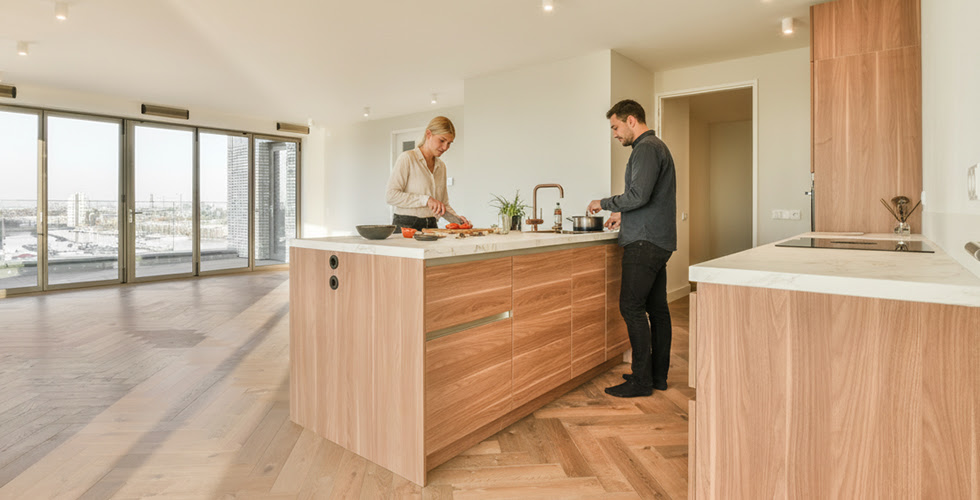
Another advantage white oak has on its side is the grain structure. White oak has a tight grain pattern, which means if you accidentally spill your coffee or water on it, the liquid will sit right there on the surface instead of soaking down into the wood itself. Walnut is different because it has a more open grain, and this open structure means it's a lot more likely to absorb moisture over time - especially if you leave a damp dish towel sitting on it for a while.
These woods are going to need a protective finish to seal and protect them from moisture damage. White oak just gives you a bit more forgiveness when somebody spills orange juice at breakfast and forgets to wipe it up right then. That natural resistance helps during those busy weeks when your kitchen turns into a command center for the entire house. If you're still weighing your options, take a look at our custom wood countertops to see how different species hold up in real kitchens.
Visual Differences Between Walnut and White Oak
Walnut is probably most famous for its rich chocolate brown color - the kind that grabs attention when you see it in person. The heartwood runs deep and dark, and the grain patterns create a strong contrast. Under the right lighting (like what you'd find in a high-end showroom), walnut looks really impressive because every swirl and shadow in the wood gets highlighted just right.
White oak leans a bit lighter with those honey shades that feel warmer. The grain still shows up well, just in a more understated way compared to walnut's bolder streaks. White oak also has something different that walnut doesn't - ray fleck patterns. These are small medullary rays that are scattered throughout the wood, and they catch the light at different angles to create a gentle shimmer effect across the surface.
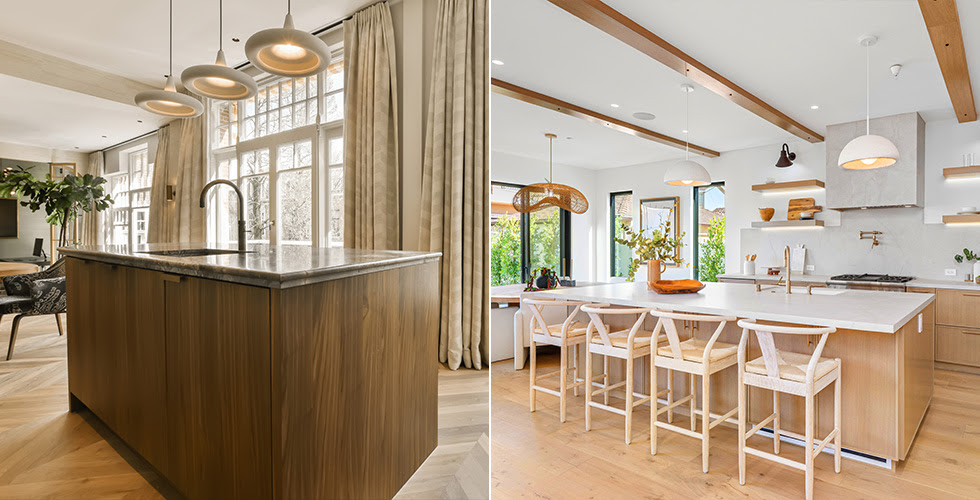
The way these woods turn out once they're installed in your kitchen can be different from what you saw in the showroom or in photos online. If your kitchen faces north and gets that softer, more indirect natural light throughout the day, walnut will look even deeper and even richer - it can get dramatic in there. White oak in that same lighting tends to take on a warmer, more honey-colored appearance compared to how it looks under those bright commercial bulbs they use in stores.
Your island can either pop or blend in, and walnut and white oak will give you very different results in that department. Walnut is striking and dramatic - it grabs attention the second anyone walks into the room and makes a strong statement that turns your island into the main centerpiece of the kitchen. White oak is quieter, and it blends in much better with everything else around it. It's a great pick if you want your island to complement the design without stealing the attention.
The wood type you choose will look different depending on what cabinets and countertops you already have. A dark walnut island paired with white perimeter cabinets gives you a strong contrast that helps to define different zones in the space. White oak fits in nicely if you want to tie together multiple finishes - it pulls the whole kitchen together without demanding the attention.
What You Should Budget For Each Wood
Walnut will usually cost you between $8 and $15 per board foot at most lumberyards. White oak will be a bit cheaper - you're looking at about $3 to $8 for the same amount. A few dollars per board foot might not sound like that big of a difference. But when you add up the wood that you actually need for something like a full kitchen island, those price differences start to matter.
A decent-sized island is going to need at least 20 to 30 board feet of lumber and sometimes even more than that, based on what design you're going for. Go with walnut, and you're looking at lumber costs alone that can be hundreds of dollars, if not thousands. The same island made from white oak instead would probably run you about half that; it's a big difference in raw material costs, and that's before anyone has even started to cut or put together anything yet.

Labor costs are going to be the same no matter which wood species you pick. Your woodworker won't charge you a wildly different hourly rate just because you went with walnut over white oak. Either type of wood takes about the same time to cut, sand and finish, so the labor hours don't change much. Where you'll actually see a big gap in your budget is in the raw lumber price itself.
Walnut costs 2 or 3 times more than most other hardwoods, so it really depends on whether that darker, more dramatic grain pattern is worth the premium to you. Some homeowners fall in love with how walnut looks, and they're happy to pay extra for it. Others would rather save that money and put it toward better hardware or maybe a bigger island instead. Neither choice is wrong - it just depends on what you care about more in your kitchen. The important part is to understand what you're paying for when you choose one wood over the other.
How Much Care Each Wood Needs
The price you pay at checkout is part of what you're going to spend on it. Where these two woods actually separate themselves is in the maintenance department - how much time and money you'll need to put into them over the years.
White oak is pretty forgiving with refinishing - you can go for about 5 to 7 years before you'll need a full refinish on it. Walnut needs a bit more attention if your kitchen sees lots of regular use. You'll be refinishing it every 2 to 3 years to keep it in nice shape. Those hours add up fast, and when you know the cost of materials (or what you'd pay a professional to do the work), those maintenance schedules matter in your long-term investment.
Light scratches in high-traffic areas are going to need to be sanded out, and then you'll have to reapply a fresh coat of finish. The whole process takes a few hours, and the island should be left empty during that time so the finish can dry properly. The work requires your time and some steady attention to keep everything in nice shape.

The way you use your kitchen every day will affect how fast either wood shows signs of wear. Families who cook three meals a day and gather around the kitchen island for homework or weekend projects will see their walnut countertop develop a worn look much faster. But couples who eat out frequently or just don't use their kitchen space quite as much may discover that their walnut surface holds up for way longer than they thought it would. White oak can take care of the regular grind with less visible wear and tear, no matter how much time you spend at the stove.
Either type of wood will last you for decades if you take care of it, so durability isn't the issue here. The choice usually depends on how much maintenance you're willing to handle regularly, and of course, what fits comfortably into your budget.
White Oak Gets the Walnut Look
White oak finished with a dark walnut stain has become a choice many designers and woodworkers go with when they want that rich, chocolate-brown appearance without having to buy genuine walnut lumber. It makes plenty of sense for most residential projects. The finished result will have the same warm, deep brown look that makes walnut so nice in high-end homes. But you also get to keep white oak's natural strong points. Your furniture or cabinetry will hold up much better over the years. White oak is considerably harder and resists scratches and surface damage better than walnut. The wear and tear won't show nearly as fast. The cost is another big benefit. White oak usually runs quite a bit less per board foot compared to what you'd pay for walnut.
Stain does have a few downsides worth mentioning. Walnut has this very wild grain pattern to it, and the oak tends to have much straighter and more uniform lines running through the wood. A quality stain job will get you close on the color match, and in most cases, it'll look pretty convincing from a few feet away. The limitation is that it's never going to recreate those signature dark swirls and streaks that make walnut so distinctive up close. Stain can also start to wear down in an uneven way as the years go by, and this tends to happen more in those high-traffic areas where your family is always leaning against the counter, chopping vegetables and setting down hot pans throughout the day.
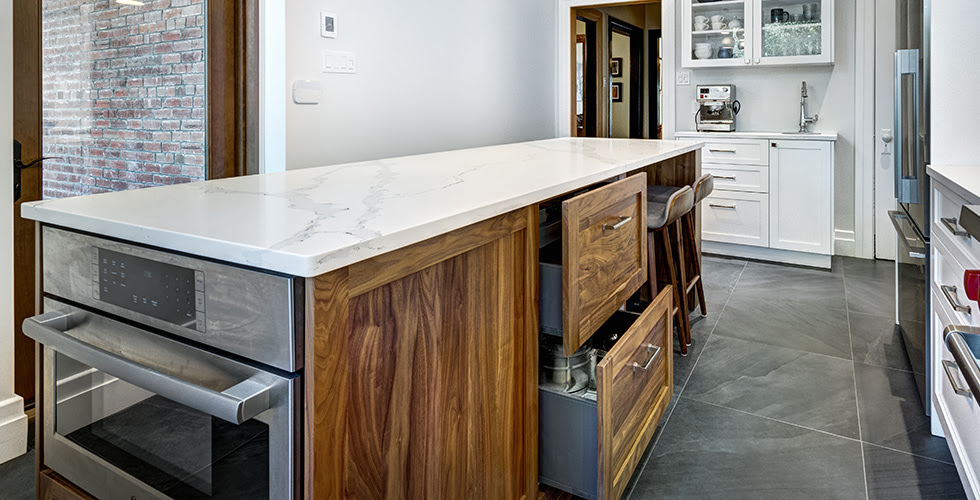
The biggest question you'll have to ask yourself is if you want the genuine article or if something that just looks like walnut from a few feet away will do the job. Genuine walnut could be worth spending the extra money on if it's something like a kitchen island where you'll be touching it and working with it every day for years. Stained oak is a great choice if you like the walnut color, but you're also more concerned about how much you're spending and how well it holds up over time.
No matter which way you're leaning, wait to make any final decisions until you can see your wood choice next to everything else that's already in your kitchen. Walnut looks beautiful with brass drawer pulls and warm gold fixtures (they complement one another well). White oak usually pairs better with cooler metals like brushed nickel or polished chrome. Also, a wood sample might look different under your pendant lights than it did in the showroom.
Most showrooms will let you take a sample board home with you, and it's worth placing it right on your counter for at least a few days. Look at how the wood grain and color appear in the morning when natural light is streaming through your windows, and then check back on it later in the evening after you've turned on all your overhead and under-cabinet lights. After a couple of days, you'll have a great sense of whether the wood tone coordinates well with your existing painted cabinets and stone countertops.
Build Something Extraordinary
These materials have their own strengths, and the right choice for your kitchen island depends on what you value most. Walnut is a beautiful option if you love that rich look and you don't mind spending a bit more money and time on maintenance, and it can make your island a showpiece in your kitchen. White oak is a workhorse that can take all the abuse from cooking, spills and kids without needing you to baby it, and it still looks great while doing its job. Staining white oak to get it closer to walnut's darker shades will give you the look you're going for. But you get to stay within your budget, and you won't have to sacrifice any of that durability that makes white oak so practical.

House of Hardwood has been working with West LA homeowners and builders for years to help them find the right wood for their kitchen projects. We stock walnut and white oak in multiple grades and cuts, and our team enjoys walking customers through their projects to make sure that they get what they need for the job. Whether you're early on in the planning stages for your island or you're ready to place an order, visit our yard on Wellesley Ave to see the wood in person and to talk about what'll work best for your space. We'll help you find something that looks great and lasts in your home.
Get in touch today!