
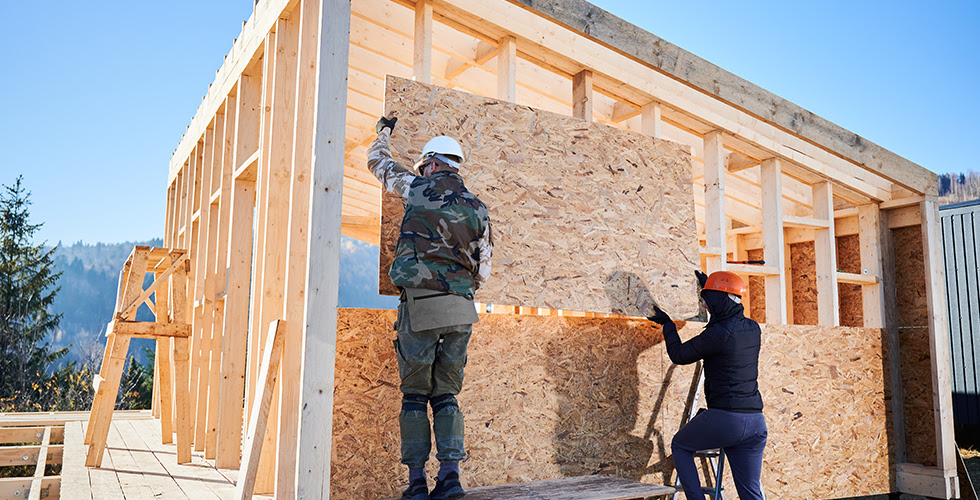
An ADU build in Los Angeles tends to feel pretty manageable on paper - at least until the material decisions start piling up. Lumber that works just fine in other parts of the country can still fail inspections here, draw in termites or run into fire zone codes that only apply in LA.
LA deals with a combination of challenges that most other cities just don’t face all at once - a seismic threat, wildfire exposure, some of the highest termite pressure in the entire country and California’s Title 24 energy code. A property in a Very High Fire Hazard Severity Zone comes with construction standards that can add anywhere from $9,000 to $15,000 to a project budget, a number that climbs fast when the wrong materials require some corrections halfway through a build. Wood shingles are flat-out prohibited in these zones, and shared walls on ADUs have to meet fire-resistance ratings that not every lumber product on the market can meet.
Wood choice is one of the first decisions that quietly shapes how the rest of the project goes. A framing species that isn’t built for LA’s dry heat will warp on you. The wrong sill plate material can give subterranean termites a foothold within a season or two. An exterior product that doesn’t meet flame-spread standards can fail inspection before the reviewer even gets to the rest of the build.
Here are some of the best wood options for your LA ADU!
The Right Wood for Your LA ADU
Los Angeles doesn’t leave much room for error, and wood choice is one of the first decisions where you actually start to feel that. The dry heat is worth covering first. LA’s climate slowly pulls moisture out of wood, and over time, that ends up causing warping and cracking. If that happens somewhere inside your framing system, you’re looking at structural repairs that won’t come cheap.
Seismic activity is another consideration - and in the LA basin, it’s a big one. The area sits in an active fault zone, and not every wood species or grade performs the same way when the ground moves. Density and structural ratings matter quite a bit when you’re framing for earthquake performance, and it’s not an area where you want to take any shortcuts.
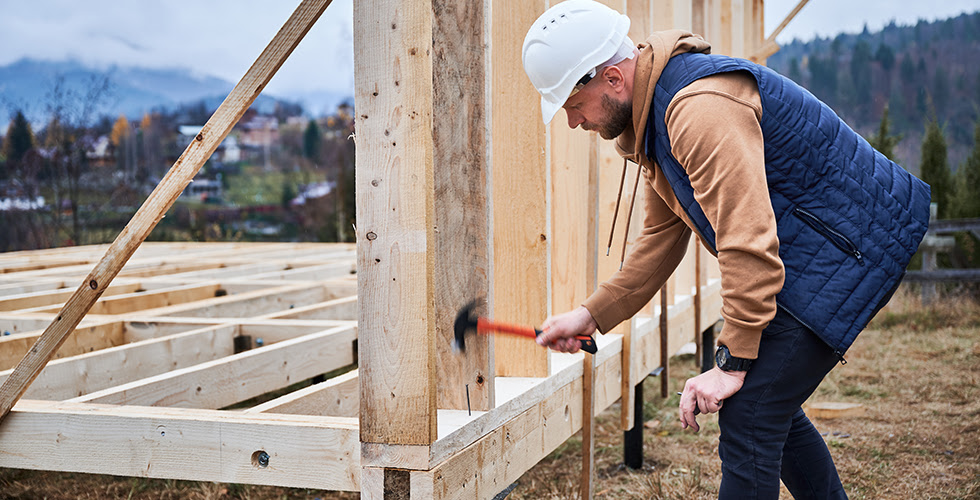
Termites are also a genuine concern out here. These insects don’t ever take a season off - they stay active in Southern California all year long, and any wood that isn’t treated or rated for pest resistance will be vulnerable to them. The damage builds up quietly well below the surface, so by the time anything looks wrong on the outside, the problem has usually been there for quite a while.
California’s building codes add yet another layer on top of all that. Title 24 energy standards dictate how buildings need to be built, and fire hazard zoning (which covers a fair portion of the LA area) can add its own restrictions on what materials are even permitted on a job site. That translates to delays, rework costs and a prolonged review process with the city before anything can move forward.
These are all worth working through before construction starts.
Why Douglas Fir Is the Top Choice
Of the structural wood species available in the United States, very few can match its strength-to-weight ratio. That balance matters quite a bit when your structure has to carry loads without the added mass that heavier wood species bring to the frame.
Seismic performance is one of the biggest reasons that engineers in seismically active areas return to Douglas Fir (it takes on lateral stress well, the kind that seismic activity puts on a building frame), and if you build anywhere in California, lateral stress is no small matter. That level of specificity says quite a bit about the professional confidence this wood has built up over the years.
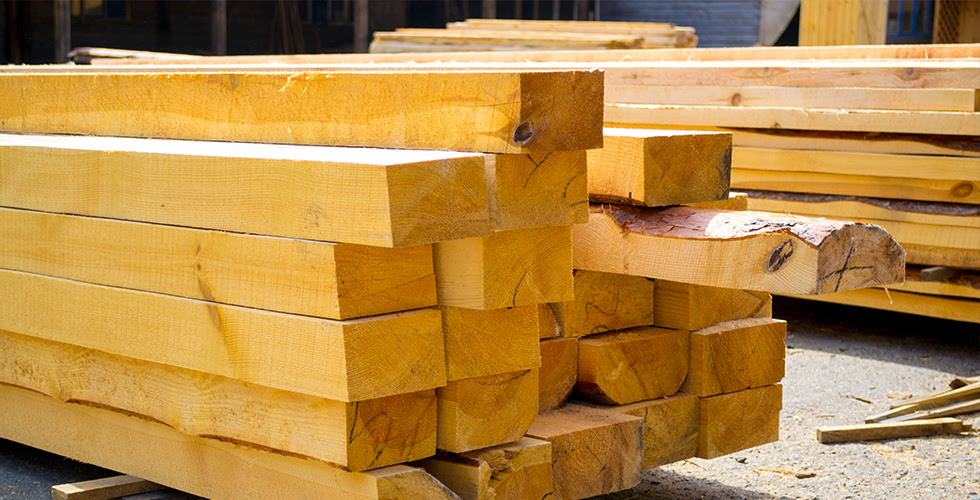
Douglas Fir is one of the better wood options for a Los Angeles build, depending on its availability. West Coast mills produce it in very high volumes, so local lumber yards like to stock plenty of it. What that means for you is shorter lead times and predictable pricing - a benefit over the wood species that have to travel a long way to reach Southern California.
Douglas Fir is the first-choice wood species for most Los Angeles construction projects, and it’s earned that reputation for a reason - it passes the structural checks, it’s easy to source when you need it, and it has a proven track record in California seismic zones. For ADU builders and designers in the region, it’s become the reliable default - not because nothing else works but because Douglas Fir continues to deliver on what actually matters for this type of project. If your project extends beyond framing into outdoor builds, other hardwood species may be worth exploring alongside it.
Fire Zones and the Rule on Treated Wood
A large portion of LA’s hillside and foothill neighborhoods falls within what’s called a Wildland-Urban Interface zone - these are areas where residential development sits right up against undeveloped wildland. The city also has a second designation called the Very High Fire Hazard Severity Zones - those neighborhoods carry their own stricter set of building standards.
In either of these areas, fire-retardant treated wood is mandatory - not a suggestion. It’s lumber that has been pressure-treated with fire-resistant chemicals to slow how fast it ignites and how fast the flames can spread. On a job site, it’s nearly indistinguishable from standard framing lumber - it’s actually fine. What matters is how it behaves when extreme heat gets involved. If you’re also weighing which species hold up best, it’s worth looking at the best fire-resistant wood species for LA homes before making any final material decisions.
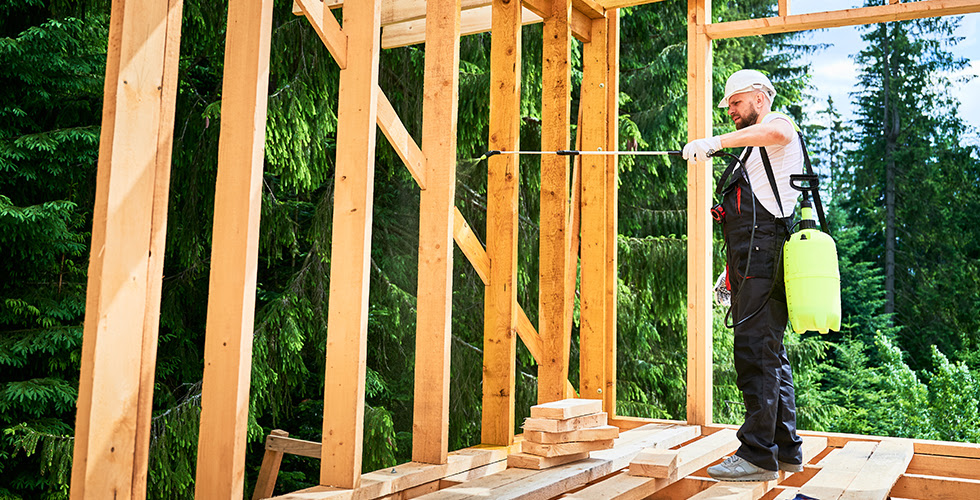
Plenty of property owners never know their lot falls in one of these zones until they’re already deep in the permit process. At that point, a last-minute switch to fire-retardant treated wood can push the timeline back and add to material costs that were never part of the original budget. The better move is to check on your parcel’s fire zone status before any of that happens - the LA County Fire Hazard Severity Zone map is publicly available and pretty easy to look up.
Aside from permits, insurance is another piece to look at early on. Some carriers won’t touch a structure in a fire zone at all unless it meets local code. If the construction is unpermitted or non-compliant, that can create a mess when the time finally comes to file a claim. If you have an existing deck or structure, understanding whether your wood deck will pass a California fire inspection is a smart step before issues arise. The right wood choice from day one is one of the better ways to keep the whole project free of problems.
Pick the Right Wood for LA Termites
The warm climate gives subterranean termites nearly perfect conditions to stay active all year round - it’s a big part of why the wood that you choose for an ADU matters far more here than it would in a cooler part of the country.
Subterranean termites work from the ground up and can eat through untreated framing at a very fast rate. By the time the damage actually shows up on the surface, structural harm has already been done - which is why it’s worth staying ahead of this at the very start of the build.
For exterior walls and anything at or near ground level, two species come up again and again - Redwood and Western Red Cedar. They each have natural oils that termites and other pests stay away from, which gives them a level of built-in protection that most treated lumber can’t quite match. Redwood especially has a long track record in California construction, a reputation that didn’t come from nowhere. If you want a broader look at termite-resistant hardwood species for Southern CA, it’s worth reviewing before you finalize your material list.
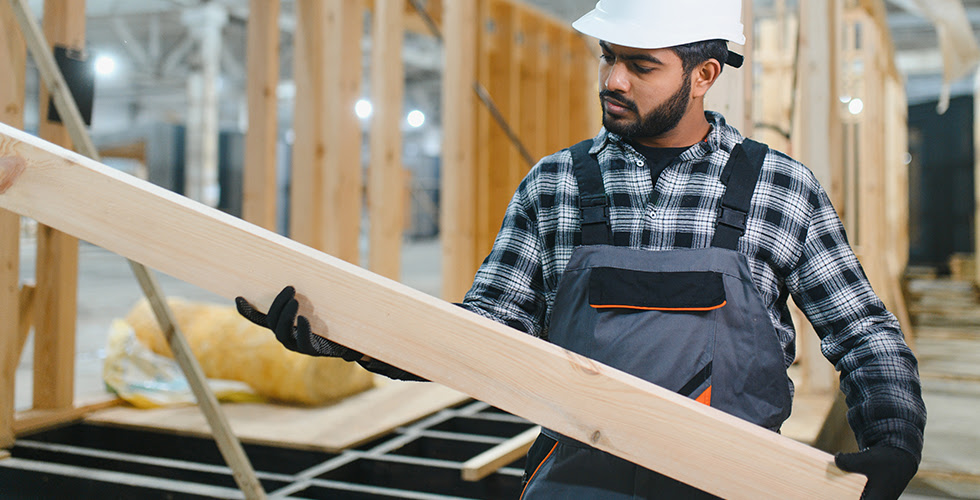
At the base of any framed wall, the sill plate is the lowest part of the frame - and since it sits closest to the ground, it’s also the first part of the structure that termites are going to get to. Pressure-treated lumber is the standard material here, and most local inspectors will check for it during a build walkthrough. It’s a small detail. But it gives you a layer of protection right where the wood is most exposed.
Wood decisions in an ADU aren’t an all-or-nothing call - not every board needs to be pressure-treated. But for the ones that do, it matters.
The Strength and Stability of Engineered Wood
Engineered wood products are worth a hard look when you choose your materials. Products like laminated veneer lumber, I-joists and cross-laminated timber are each made with wood fibers or veneers bonded together under pressure. The process removes most of the inconsistencies that you’d find in normal lumber.
Los Angeles is an extremely dry place to build, and the dryness is very rough on traditional lumber - it causes the wood to shrink and settle over time. As the framing moves around, it puts stress on everything that’s attached to it, so drywall starts to crack, and wall finishes can pull away from the surface. Engineered wood holds up much better, partly because of the way it’s manufactured, which actually locks the material into a more stable shape right from the start.
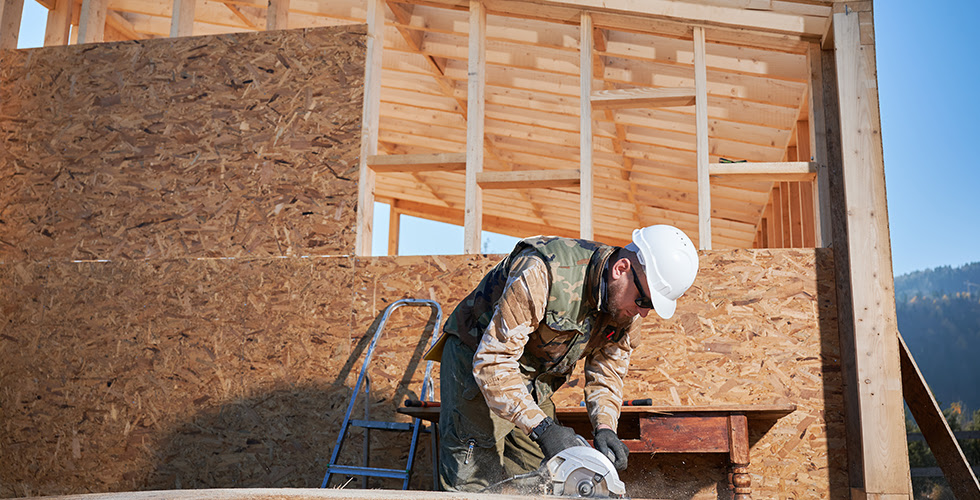
Even minor framing movement wears on your walls, ceilings and floors over time. Engineered products are built to hold their shape and to stay straight through years of seasonal temperature swings. This long-term stability is a big part of what sets them apart.
These are pretty common building materials with technical-sounding names - contractors reach for them all the time. Laminated veneer lumber (LVL for short) is a common choice for structural beams because it holds up well under heavy loads and holds its shape much better than standard lumber does. I-joists are a natural fit for floor systems - they’re lightweight and dimensionally stable and much easier to work with on a job site. Cross-laminated timber goes a bit further - the panels run in alternating directions, which gives it strength across multiple orientations at once (something most standard wood products just can’t do).
For an ADU project in Los Angeles, engineered wood is worth a conversation with your contractor.
2×6 Walls and the Title 24 Energy Code
The lumber dimension that you go with for wall framing ends up making quite a difference in your project - during construction and well into the years after. California’s Title 24 energy code has some pretty strict performance standards for how well your walls hold in the conditioned air. That can become very apparent during LA’s warmer months. A 2×6 wall gives you a deeper cavity than a standard 2×4 frame, which means there’s quite a bit more room for insulation. That extra depth helps you reach Title 24’s performance targets without as many revisions during the permit process. Fewer revisions during permitting are always a plus.
Plenty of ADU builders go with 2×4 framing because the first cost is lower - it’s a fair place to start. The math gets quite a bit more interesting once you work the long-term energy savings into it, though. A 2×6 wall has room for thicker insulation, which can noticeably cut your cooling costs in LA’s climate year after year - and those savings add up.
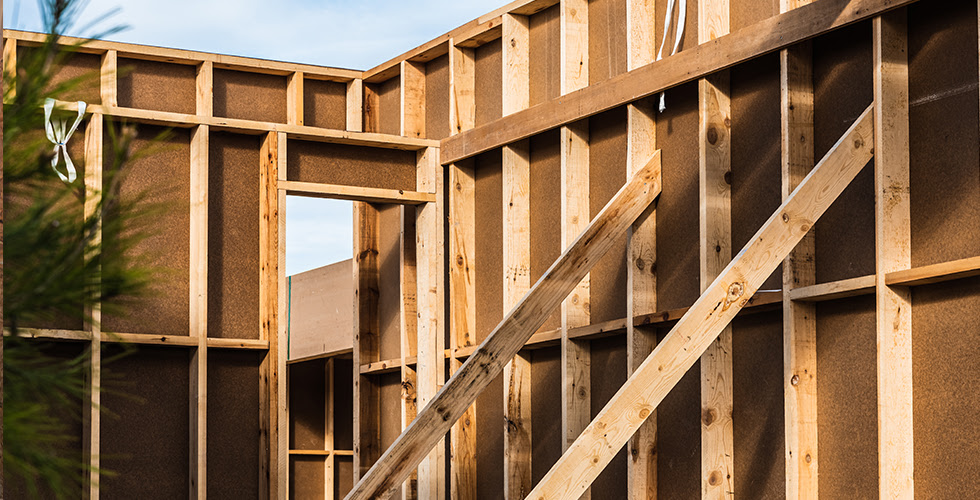
That said, 2×6 lumber does cost more, and the wider wall eats into your square footage a little bit. On a tight lot, that extra width is worth a conversation with your contractor before anything is finalized. A few extra inches might not matter much on some lots - on others, it very much does.
For a fair number of homeowners, the combination of lower energy bills and an easier path through Title 24 compliance is enough to go with 2×6 framing. It’s not the right move for every project, though - lot size and budget are different for everyone, and both of those factors do legitimately matter here. It’s still a choice worth looking over before your framing plan is set.
Wood That Holds Up in LA Weather
Exterior wood for your ADU has a very different job than the lumber that goes into your framing. Products like siding, trim, decking and pergolas are exposed to the elements day in and day out - and in Los Angeles, that means UV rays, long dry stretches and a rainstorm here and there that does eventually roll through.
Wood does take a beating from that combination. UV rays alone will slowly break down the surface fibers and strip the finish away over the years - it’s already bad enough on its own. Add a steady wet-to-dry cycle into the mix, and the wood never quite gets a chance to settle, just expanding and contracting over and over. That movement stacks up over time.
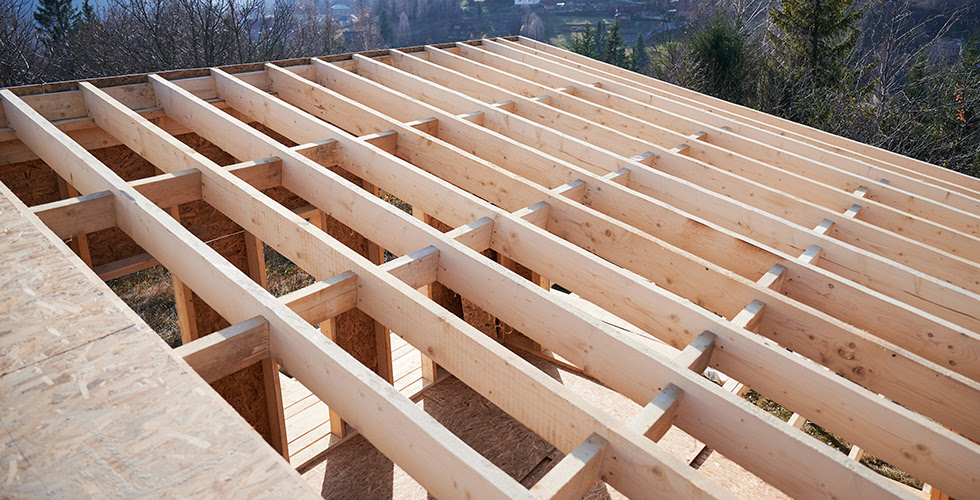
For this climate, cedar and redwood are two options, and each one has natural oils in the wood that resist moisture and slow down the decay that comes with wet-dry cycles and ground contact. Redwood gets extra points for looks - it ages into a weathered silver-gray over time, which is a look that homeowners come to like. Cedar takes stain and paint quite well, so if you want more control over the final color or appearance, then cedar gives you more flexibility to work with.
Modified wood products are another idea worth looking at. These materials go through either a heat or a chemical treatment that makes them more dimensionally stable and much less inviting to moisture and wood-boring insects. The cost up front is higher (there’s no way around it), but the tradeoff is a much longer stretch between maintenance rounds. For a deck or pergola that gets direct sun for most of the day, that extended durability can justify the extra investment over time.
Whichever material you go with, a quality finish or sealant at installation (touched up every few years after that) will go a long way toward protecting everything that you’ve put into it.
Build Something Extraordinary
ADU projects in Los Angeles have plenty of moving parts, and the wood that you choose is one of the decisions that can quietly make or break the rest of the build.
Your material list deserves a bit of thought about a few details first. The location of your lot, whether it falls inside a fire hazard zone and what your budget can realistically support - these are all worth sorting out before any decisions get made. Homeowners who think through these questions at the very start of the process usually have much smoother builds, and those who wait find that they have to backtrack right around the time that permits come into play.
LA’s building environment is pretty manageable once you get a sense of what it asks of your materials. No one expects you to be an expert on any of this - what matters more is that you walk into those conversations with your contractor, structural engineer and lumber supplier with the right questions already lined up.
Our team at House of Hardwood has spent years working with homeowners, contractors and designers to source the right materials for just these kinds of projects. Our inventory covers everything from fire-retardant treated framing lumber to exterior species built to hold up over time, and we know the local building codes well. You can walk in with a rough idea and leave with a plan. Stop by our yard on Wellesley Avenue or give us a call - we’re happy to help you work out what your project needs.