
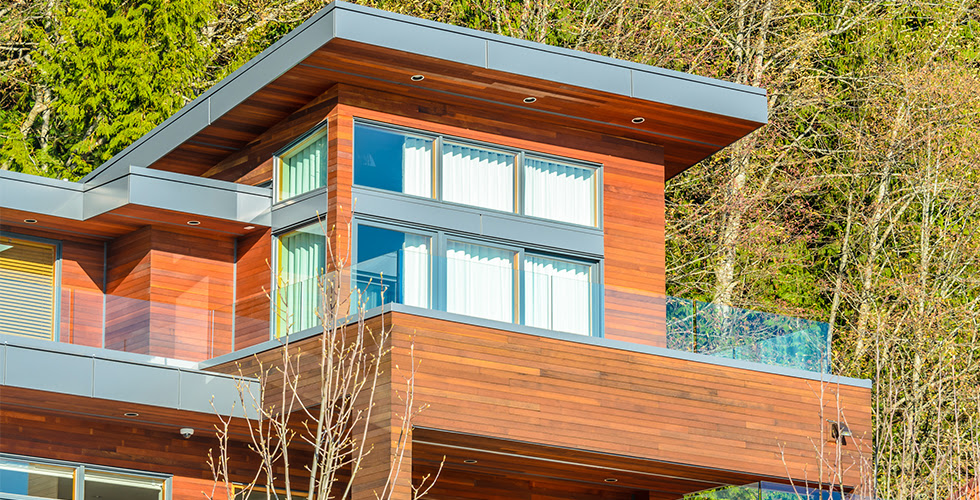
Life on an LA hillside is a trade-off most homeowners are happy to accept - canyon views and natural beauty on one side and a season of genuine anxiety every time the Santa Ana winds kick up on the other. For anyone who plans to use wood siding on a new build or a post-fire rebuild, the process can get tough pretty fast. Permits, fire codes and material restrictions can all come down on you at the same time, and your contractor might not have even broken ground yet.
Homeowners go into this already convinced that wood siding is not an option in wildfire-prone areas. California has been tightening its building standards pretty aggressively after recent fire seasons and you can see why a homeowner would land there. The truth, though, is that fire-rated wood siding actually exists, and it’s available - it meets California code standards, and it gives you that natural wood look that makes hillside living so desirable. Not every product on the market qualifies, so it does take some research to find what will pass inspection in your area.
The distinction between standard wood siding and fire-rated wood siding matters a lot. Fire-rated products go through a treatment process that slows how fast they ignite and how far a fire can spread - and it’s what lets them meet California’s Title 24 and WUI code standards, which apply to most hillside builds in the LA area.
None of this is out of reach. A well-prepared homeowner or a contractor who knows the material well can make wood siding work on a California hillside build - it’s helpful to go in with a picture of what your local fire zone is going to need before you start comparing products.
Here are the fire-rated wood siding options worth looking at for your LA hillside home.
The Real Reason LA Hillsides Burn
Hillside properties in LA sit on land that burns just like anywhere else in the country, and it’s largely the geography itself that puts them there. Fire moves faster uphill, and the difference in speed can be dramatic. On sharp slopes, heat and flames travel directly up into the unburned fuel above and a fire gains speed and intensity almost at once. The Insurance Institute for Business and Home Safety has actually tracked this - their data shows that topography alone matters in how fast a fire front reaches a structure.
Vegetation can add a whole other dimension to this. Chaparral covers a massive stretch of hillside terrain and stays bone dry for months at a time. It burns very hot when it catches fire.
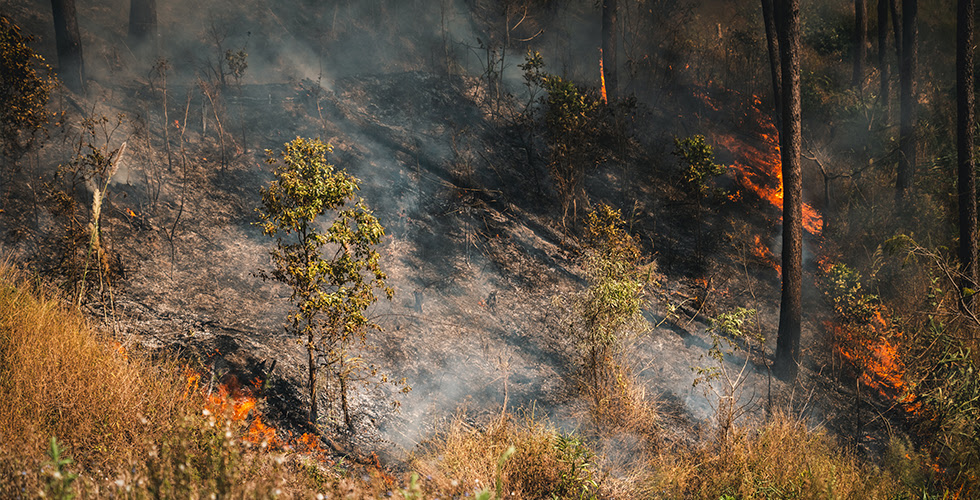
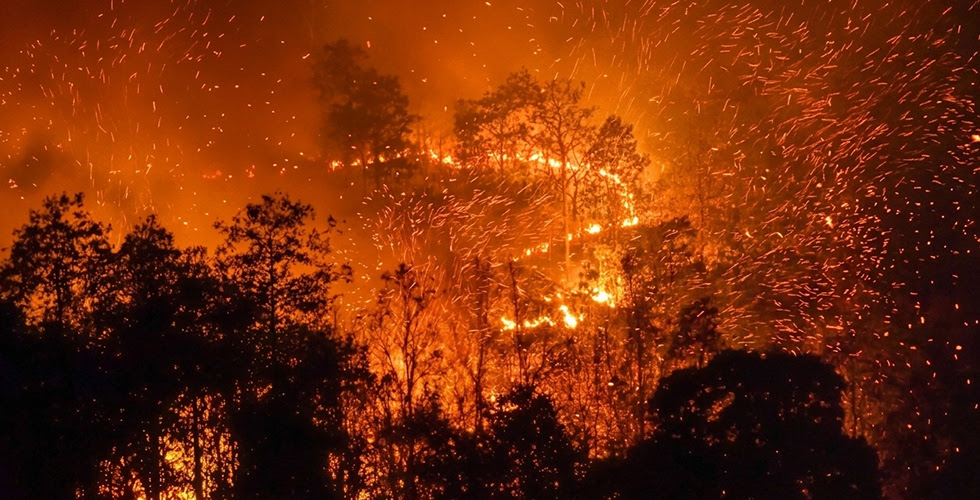
Santa Ana winds can make an already bad situation even worse. These seasonal winds push fires across the land much faster and carry live embers well ahead of the main fire front. A single ember can land on a roof, a deck or a gap in the siding and spark something new - long before the flames even arrive.
The terrain can add another layer to this, and it’s a big one. Evacuation traffic slows to a crawl at the worst possible time since hillside roads are usually narrow and winding. Those same roads make it much harder for fire crews to get in. A fast-moving fire combined with roads that are barely passable is what puts hillside homes in a whole different situation compared to flatland properties.
A hillside home in LA is very much a trade-off. The views are hard to beat, and the quiet is hard to come by, so the appeal makes sense. What most miss is the land itself - the physical conditions of a hillside lot are usually quietly at play.
What the WUI Zone Rules Mean for You
California’s building code has quite a bit to say about what can and can’t go on the outside of a hillside home. The relevant section is Chapter 7A, which covers construction in Wildland-Urban Interface zones, and most LA hillside neighborhoods fall right into that category. A new build or a big renovation, it doesn’t matter much - this part of the code will have a direct hand in which materials you’re allowed to use on the exterior.
Untreated wood siding is not an option in WUI zones - full stop. Any exterior wall material used in these areas has to be ignition-resistant, and there’s no wiggle room on that. The standard that most products need to meet is a Class A flame spread rating, which is what any code review will check for.

Plenty of homeowners hit this exact wall mid-project - a permit gets denied, and the whole project just stops. It’s a very frustrating place to be if you’ve already fallen in love with a look or a material. The upside is that the permit review process is built for moments like this - it’s there to flag these kinds of problems before they pull the project off course.
Fire-rated wood siding products are out there, and some of them are designed with Chapter 7A compliance as a baseline from the very beginning. A product that’s officially labeled ignition-resistant (better yet, one that carries a Class A rating from an accredited testing lab) will hold quite a bit more weight with a building inspector than one that just looks like it might qualify. For a hillside project, material decisions like this should be made early - long before you reach the permit counter.
How the January 2025 Fires Changed the Rules
In January 2025, the Palisades and Eaton fires ripped through entire hillside neighborhoods and left almost nothing standing. Thousands of homes were gone within a matter of days, and the communities around them were changed forever.
Widespread destruction on that scale moves policy faster than years of committee meetings ever could - it’s just what happened here. In the months that followed, city and state officials started tightening the standards for what homeowners in those affected areas now need to meet when they rebuild. A homeowner who is pulling permits is working under a noticeably stricter set of material standards than a homeowner who built the exact same house just a year earlier. Inspectors are looking more closely at what’s on the materials list, and the window for substitutions has become considerably smaller. The planning side of a rebuild has become quite a bit more involved as well, since a number of these new laws are coming with longer lead times attached to them.

There’s an emotional side to this that deserves some attention. Many of these homeowners are working through the rebuild as their entire street is being reconstructed around them at the same time. That shared grief has quietly worked its way into how residents and city officials talk about what these communities should look like going forward. With that backdrop, stricter building standards feel like a direct response to something that happened.
That backdrop matters quite a bit as you work out what your own rebuild will actually need. From what I’ve seen, homeowners who walk in already prepared are the ones who stay away from the most expensive delays. A sense of where that line has moved can put you in a much stronger position before you ever sit down with a contractor.
The Best Wood Species for Fire Treatment
Fire-retardant treated wood (just call it FRTW) is wood that gets saturated with chemical compounds during the manufacturing process before it ever leaves the factory.
The species of wood used as the base material matters quite a bit here. Douglas fir, Western red cedar and Southern yellow pine are three of the most popular options, and each of them has a grain structure and density that lets the treatment absorb evenly throughout. Wood that takes the chemical well tends to fare better over time and hold up against the elements long after it’s been installed.
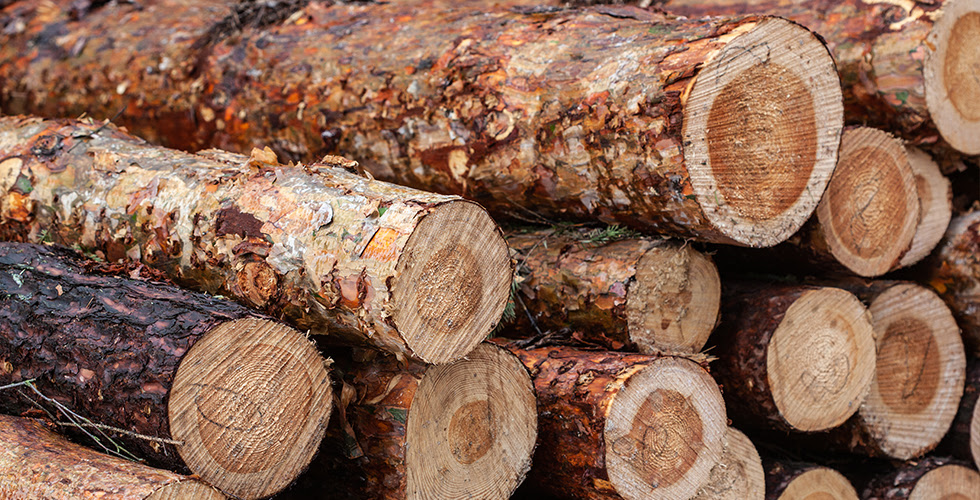
If you already have a wood species in mind, most woods work just fine in fire-rated construction. Cedar is a great example. It’s one of the most popular siding options out there, and it’s also a great fit for the FRTW process. From what I’ve seen, homeowners are happy to learn that fire-rated treatment doesn’t have to mean compromising on the look they want.
The treatment needs to happen at the factory level - before the wood ever gets shipped out. The factory treatment is actually what gets a product its Class A fire rating, and it’s just what inspectors and permit reviewers are going to want to verify. The wood species still plays a big part here because not every species absorbs the treatment the same way. Some of them hold it much better than others, and over time, that difference shows up in how well the wood performs on an exterior application.
How Heat Can Make Wood More Fire Resistant
Thermally modified wood and pressure-treated lumber might look similar when sitting side by side. But the manufacturing process behind each one is quite a different story. With pressure-treated wood, chemicals are forced deep into the fibers. With thermally modified wood, manufacturers heat it to extremely high temperatures inside oxygen-free kilns - with no chemicals involved, just intense heat. What comes out on the other side is a product that has been changed at a cellular level, and it ends up more dimensionally stable and fire-resistant than it was going in.
Woods like ash, spruce and pine usually respond quite well to this heat treatment. The heat draws out the moisture and natural sugars that would otherwise help a fire spread - and what you’re left with is a harder material whose fire resistance comes from a physical change in the wood itself (not from any added chemicals).
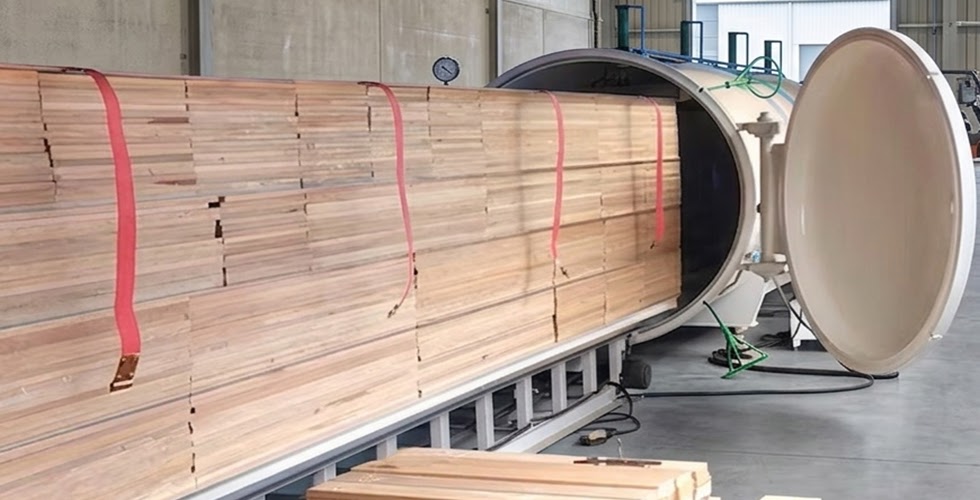
Either of these products is worth a look as you choose a direction. Pressure-treated fire-retardant wood uses chemicals that bond directly into the wood fibers to stop combustion from spreading. Thermally modified wood (sometimes called torrefied wood) gets its fire resistance from structural changes that happen inside the kiln, with no added chemicals involved. The two of them work very differently. But either one can get you to a code-compliant and long-term result for a hillside property in Los Angeles.
One area where thermally modified wood does have the edge is dimensional stability. The kiln process pulls out a large portion of the wood’s moisture content, so it doesn’t swell and shrink nearly as much when the seasons change. For exterior siding, that makes a difference. Wood that moves less stays tighter at the joints and holds its finish for longer - and on a hillside property that’s exposed to the elements all year long, that sort of durability does add up over time.
Embers Are a Bigger Threat Than Direct Flames
Wood siding is a great line of defense against wildfires. But it’s only part of the picture. Soffit vents, roof edges and small deck gaps are actually where most embers like to land and settle in - and if any of them are left open or unsealed, even the most well-treated siding won’t be enough on its own. The siding itself can be in perfect condition, and the home can still be exposed through a handful of other entry points that are much easier to miss.
Ember-resistant vent covers, sealed roof edges and well-fitted deck connections all reinforce what your siding is already doing, and without them, you’re leaving gaps in an otherwise sound defense. A great lumber choice is one strong ingredient of a much bigger picture, and the other pieces still need to be in place for it all to hold up.
Defensible space around your home is a part of this same picture. Trimmed vegetation and removed fuel sources near the structure give your siding the best possible chance when conditions get extreme. Even the most well-treated wall can only go so far if the home around it’s buried in overgrown brush and dry debris.
No single product, material or treatment will carry the full weight of fire protection on its own - a point worth keeping in mind as you plan your build or renovation. Fire-resistant lumber is a worthwhile investment and a great one at that - it just performs best as part of a whole-home strategy. The vent covers, the roof edges, the deck connections and the landscaping - it all needs to be working in the same direction. Once those pieces are all in place, your siding can do what it was built for.
Pick the Right Wood for Your Hillside
The right wood species and treatment don’t have to feel like a months-long research project. It’s less about finding one single perfect answer and more about narrowing your options down based on what you’re working with. A few questions can usually get you there pretty fast.
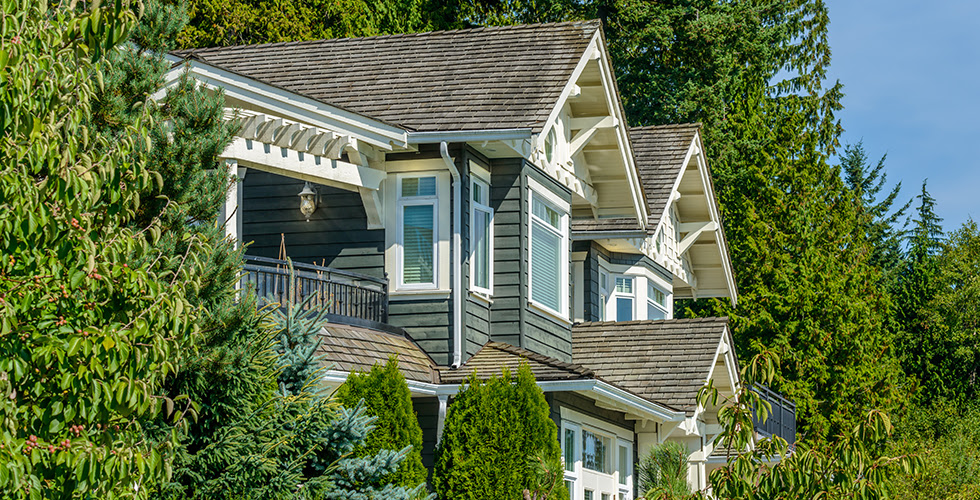
Your local microclimate is the best place to start. Hillside properties in LA can vary quite a bit - a north-facing slope in the Santa Monica Mountains holds a lot more moisture than a sun-baked ridge in the Verdugo Hills. Cedar and Douglas fir can manage that moisture well, and each of them ages to its own color and texture over time. A site that gets plenty of direct sun and heat is going to have an effect on how your wood moves and weathers from one season to the next.
From there, ask yourself what you actually value most in the long run. If low maintenance and a long life are at the top of your list, thermally modified wood is probably where you’ll land - it holds its shape well and resists decay on its own with no added chemicals in the mix. If budget is the bigger priority, pressure-treated pine or fir can get you to code at a lower up-front cost, though you’ll probably put in more work on the maintenance side as the years go by.
The color and grain deserve just as much attention. Thermally modified wood develops a warm caramel tone that plenty of homeowners love - though some find it a little too uniform for their taste. For more natural variation in the grain, ash or cedar could be a better direction to go. Whichever way you lean, grab physical samples and hold them up against your exterior before making any final decisions.
Build Something Extraordinary
With the right species and the right treatment, it’s a legitimate path forward - one that meets the code and still has the look that you want.
The materials that you choose early in a project will shape everything that comes after - how the home ages over the years and how it weathers through a dry season. Some materials hold up better than others and won’t need as much attention over time. None of this has to feel uncertain, though. With an idea of what each material actually does and how it performs in conditions, those decisions can get a whole lot easier to make.
There are different species, different treatment levels and different applications - and the right combination can depend on your project type, your site and what the local code is going to need. Get that right from the start, and you won’t have to revisit those decisions once work is already underway.
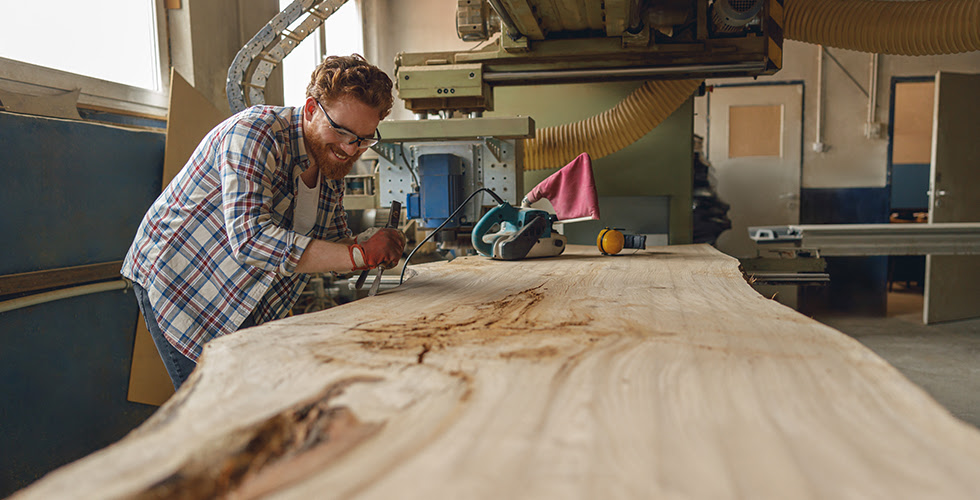
That’s where House of Hardwood comes in. We carry fire-rated lumber, and we can talk you through the species and treatment options that make the most sense for your site and your goals. We’ve worked with contractors, architects and homeowners on all kinds of projects, so we have a pretty solid sense of what questions to ask and what to look out for.
Drop by our yard on Wellesley Ave, or give us a call, and we’ll help get your project pointed in the right direction.