
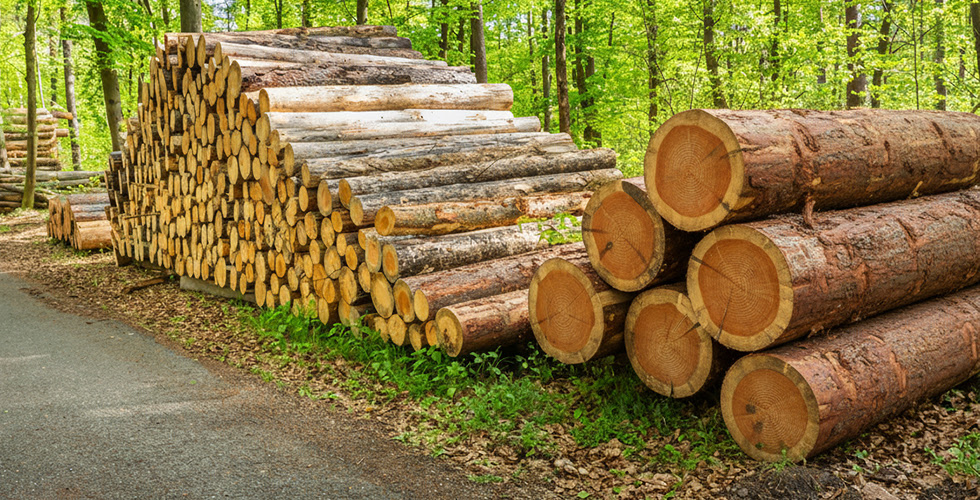
Southern California homeowners spend thousands of dollars on beautiful decks, pergolas and fences, and then termites show up and eat it all away from the inside out. A contractor pulls back the trim and discovers the hollow channels where there used to be real wood. The repair bills pile up fast at that point. Subterranean and drywood termites do their damage behind the surface, so you won't see any warning signs until they've already compromised the structure.
Most homeowners believe that any hardwood is going to give them roughly the same level of protection against termites. But that assumption can become an expensive mistake. Dense boards from different species don't all stand up equally well to a hungry colony. Even expensive species can lose their sapwood just as fast as cheap pine if the wrong parts of the tree get used in your framing. Lumber yards don't usually mention this detail on their price tags, and you could wind up paying premium prices for material that won't actually hold up any better than the budget option sitting on the shelf at your local hardware store.
The wood species that you pick at the start of your project is going to matter in how well your outdoor structures hold up over the years. Some hardwoods come loaded with natural oils and extremely tight grain patterns, and these features make them far less tempting to termites. You won't get as many repair calls and much longer stretches before you'll need to replace anything.
Let's look at which hardwood species will best protect your Southern California home from termites!
Termites Stay Active All Year Long
Southern California has the perfect climate for termites, and they're able to stay active throughout the entire year because of it. The winters here are mild enough that cold temperatures never force them to slow down or push them deeper underground to wait out the season. Termites in colder states have to go dormant for months at a time. But California termites don't get that seasonal break that would normally limit their activity and damage.
Subterranean termites are by far the biggest problem in this part of the country. These guys live underground and build colonies that can grow to massive proportions. We're talking about hundreds of thousands of termites that all work together beneath the surface of your property. When conditions are right (mainly when there's enough moisture and warmer temperatures), they'll start to move upward and make their way into any wooden structures that they can access. Once they find the wood in your home or building, they can start to cause some pretty real structural damage before you even see that they're there.
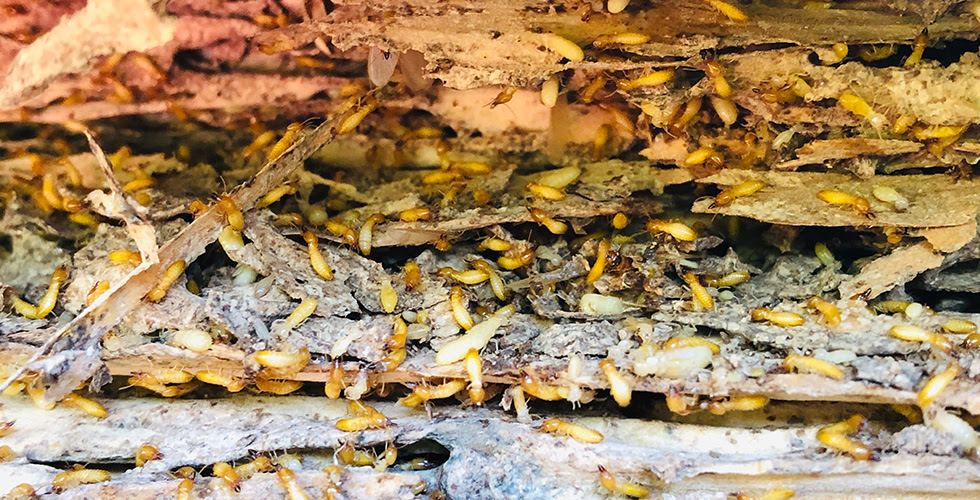
A lot of homeowners think that termites are mostly a summer problem, that they only show up when the weather gets hot. It doesn't work that way at all in Southern California. The temperatures stay mild year-round, and we get just enough moisture that termites stay active through fall and winter. These pests don't slow down or take a break just because the calendar says it's a different season. The USDA Forest Service has records on the termite infestation threat for every region in the country, and Southern California year after year ranks in the highest threat categories. It's been this way for as long as they've tracked it. Every homeowner in this area deals with this threat as a year-round concern.
All hardwoods aren't created equal in how well they stand up against termites. Some species have natural chemicals built right into the wood itself that termites don't like to chew through, and those varieties are going to hold up much better over time. These natural compounds work as a defense mechanism against hungry termites, so some woods will last you much longer before any damage shows up. If you're choosing wood for an outdoor build, it's worth looking at the best hardwood species for LA decks to understand which options offer the most natural durability.
Natural Defenses That Protect Woods From Termites
Termite resistance in wood comes from a combination of natural chemistry and how the wood itself is built. The heartwood (that's the center part of the tree) has oils and chemicals in it that bugs either hate the smell of or that will actually poison them if they try to eat it. Over time, as the tree ages, it adds more of these natural defenses to its core, and the cell walls get denser and thicker, too. In a way, every tree spends decades building up this protection in its center to defend against bugs, rot and all sorts of other biological threats.
Tannins are a big part of the natural defense system that wood has developed. Woods that have high tannin levels usually have a darker color and a bitter taste to them, and termites will usually stay away from these species because the tannins throw off how they digest their food. Natural oils have a similar effect - they make the wood very uninviting for any insects that want to tunnel in and build their colonies inside of it.
Grain density plays a big part in how well wood resists termite damage. When wood has tight, dense grain with cells packed closely together, it's much harder for termites to actually chew through it and to digest it in their system. Termites are going to go for softer woods whenever they can because their bodies break those down a lot more easily. Dense grain has another benefit worth mentioning - it holds onto these natural oils and protective compounds much better, and those chemicals stay present throughout the entire piece for much longer.
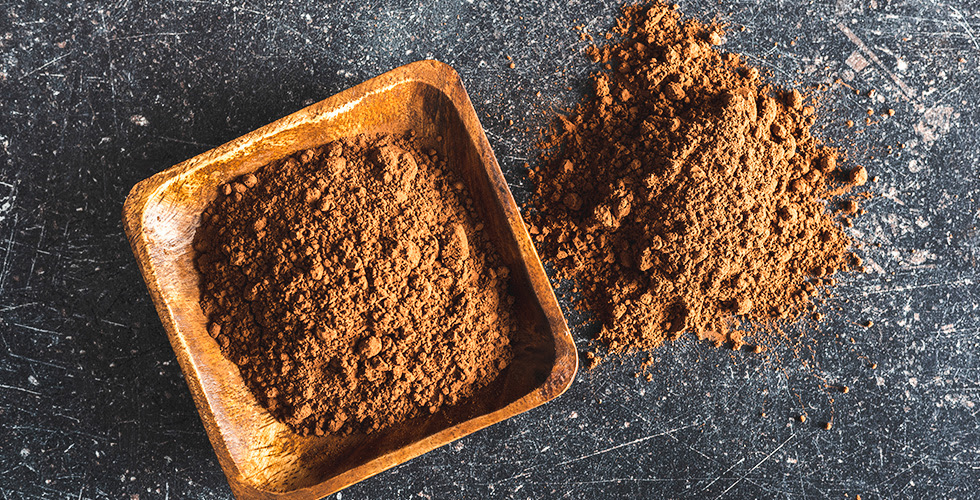
One common issue that you'll run into with almost every wood species is the difference between heartwood and sapwood. Sapwood is the lighter-colored outer layer of the tree that moves water and nutrients around when the tree is still alive. It doesn't have the same natural protective compounds that you'll find concentrated in the heartwood (those take years and years to build up in the core). Even if you choose a species that's resistant to insects, any sapwood portions in your lumber can still get damaged.
Most lumber and flooring products have obvious color differences across the different boards. The darker sections are heartwood, and these areas have way better natural protection against termites. Lighter streaks or pale edges are sapwood, and termites can still get into and eat right through them. All wood species have this sort of variation, and some have more than others. The most resistant woods will have a high percentage of usable heartwood and plenty of the natural chemicals that repel termites.
Seven Woods That Keep Termites Away
Teak originally grows in Southeast Asia, and one of its best features is the natural oils inside the wood that termites can't stand. Outdoor furniture makers and deck builders love this wood because it holds up very well against rain, sun and humidity without much maintenance at all. Fresh teak starts out with a beautiful, warm brown tone that catches your eye. But if you leave it untreated, it'll fade bit by bit to a soft silvery gray patina over the years.
Ipe grows in South and Central America, and it's one of the hardest woods money can buy. Termites won't even touch it because of how dense the wood is. Homeowners love picking it for decking because it lasts for decades, and the rich chocolate color is beautiful. It can be harder to source than other species, and the price shows that quality.
Redwood heartwood is extremely popular here in California, and there's plenty going for it. The heartwood contains natural tannins that termites stay away from, and it makes it a strong pick for any outdoor project. Homeowners around here also like the fact that they can source it locally instead of working with imported wood from halfway across the globe. Fences and pergolas are probably the most common uses for redwood, with that rich reddish color that does look great in outdoor settings.
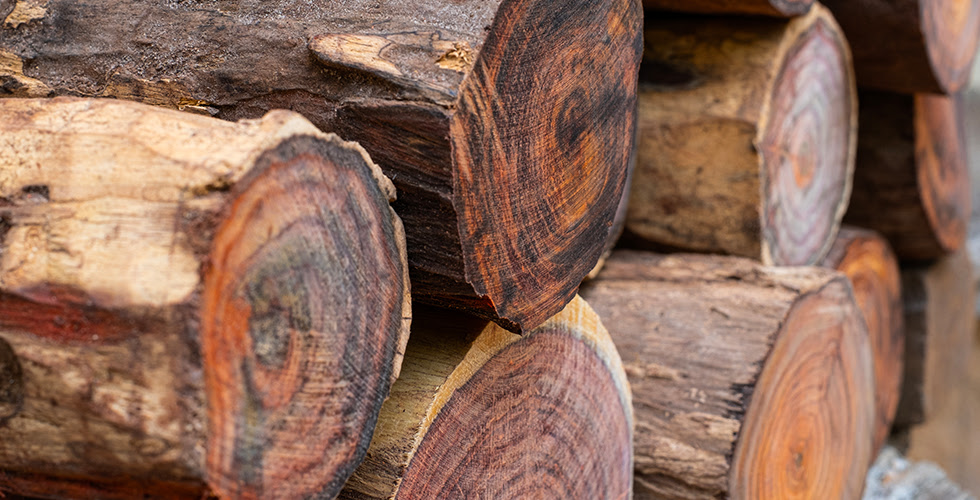
Western Red Cedar is another great domestic option, and it grows all along the Pacific Coast. One of the best qualities of this species is that it produces natural oils right inside the wood itself, and these oils do a great job of repelling insects and preventing rot. Weight is another advantage here - it's noticeably lighter than most of the tropical hardwoods available, and it matters when you're moving boards around and working through the installation process. Usually, you'll see this wood used for outdoor decks and exterior siding.
Mahogany has been a favorite for woodworkers and builders for generations, and it's earned that reputation for real reasons. It resists rot and decay, so it holds up well in outdoor applications. Add to that its warm reddish-brown color (which only gets deeper as it ages), and you can see why it's remained popular. Most mahogany comes from Central America and parts of Africa. Carpenters like how forgiving the wood is to work with, and with the right finish, it develops a beautiful and polished look in outdoor structures like pergolas and decks. On the sustainability front, mahogany raises some questions depending on where it's harvested from. If this wood works for you, try to find options that are FSC-certified or come from responsibly managed forests.
Jarrah is an Australian hardwood that termites refuse to touch, largely because of how dense the wood is and the natural chemical compounds found in the wood. It has a beautiful, deep red color, and it can make a statement piece in any backyard. Availability is the main drawback with Jarrah - it has to make the long trip from Australia to get here, so it can be fairly hard to track down in California.
Black Walnut grows in the eastern United States, and the wood contains a natural compound called juglone that acts as a built-in insect repellent. Insects won't go near it. The wood itself is dark and polished, and it's a big part of why it shows up in custom projects more than standard deck builds. On the price side, it sits toward the higher end, and it's also harder to find in bulk quantities you'd need for a full deck.
What Should You Check When You Buy Wood
A termite-resistant wood species is a great first step. But it's only part of what you'll have to worry about. Picking the right type of wood won't keep you safe on its own. You can still wind up with boards that termites will destroy if you don't watch for what you're actually purchasing at the lumber yard.
Heartwood and sapwood are very different materials for keeping termites away. Heartwood forms at the center of the tree and has oils and resins that termites don't like. Sapwood grows closer to the bark and doesn't have those protective compounds at all. Many lumber suppliers will combine heartwood and sapwood pieces together in the same shipment because it lets them maximize how much material they can sell from each tree. As a buyer, you should visually check each board before buying it, and you should always ask the supplier about the sapwood percentage in their inventory before agreeing to anything.
Moisture content is as big a deal as picking the right part of the tree to work with. Wood that stays above 20% moisture for too long will actually start to lose those natural protective compounds that normally help stop pests and decay. A board that would usually resist termites just fine when it's dry can become a target for them once it absorbs moisture and stays damp for an extended period.
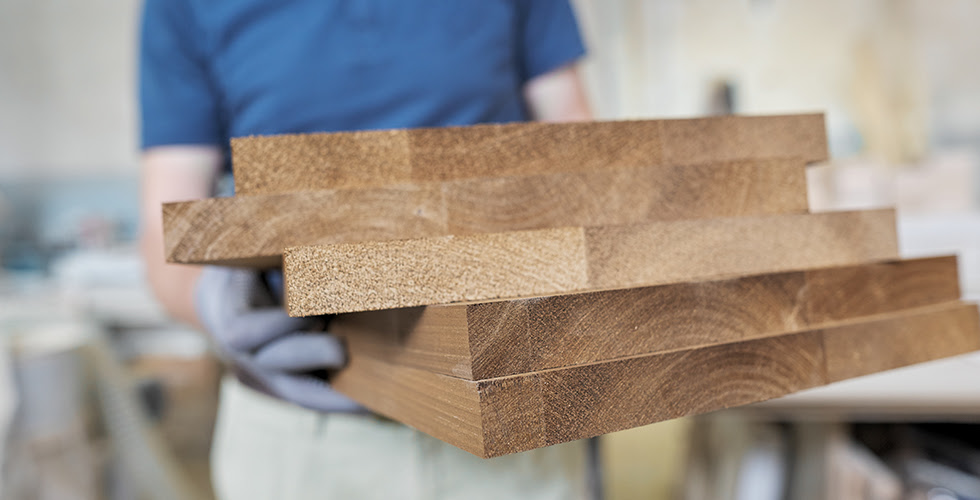
Once you go to the lumber yard, check out the wood before buying anything. Color is one of the easiest ways to tell heartwood and sapwood apart - heartwood is usually darker than the pale sapwood on the outer part of the tree. Most lumber yards carry different grades, and some of them include sapwood mixed in, while others separate it out. It's worth asking the staff which type you're buying. Moisture content is another factor to watch for. But you can't tell just by looking at a board. Bring a moisture meter along if you have one with you - it's the only reliable way to know how wet or dry the lumber actually is.
Most lumber yards will let you pull boards from the stack to check them over before buying them. It's one of the biggest parts of the whole process, and it's worth the time to get it right. Make sure that you look for any lighter streaks or patches in the wood - that's usually sapwood, and it means that some lower-quality material made it into the batch. If you're selecting wood for a specific project like outdoor structures or furniture, paying close attention to these details at the yard will make a real difference in how the finished work holds up over time.
Build Something Extraordinary
Southern California gives you plenty of sunshine and mild winters. But it also gives you termites that don't take a break. Fortunately, you're not stuck just putting up with it. The right wood is actually one of the biggest decisions you can make when you're investing time and money into a project that needs to hold up for years. It doesn't make much sense to go with materials that look great but start to break down once our climate gets to work on them.
The species we've covered are all great picks that can handle just about everything that Southern California is going to throw at them. Even the toughest, most resistant wood available is still going to need a little help, though. It's going to last the longest and hold up the best if you combine it with smart design, careful installation work and at least some regular maintenance on your part.
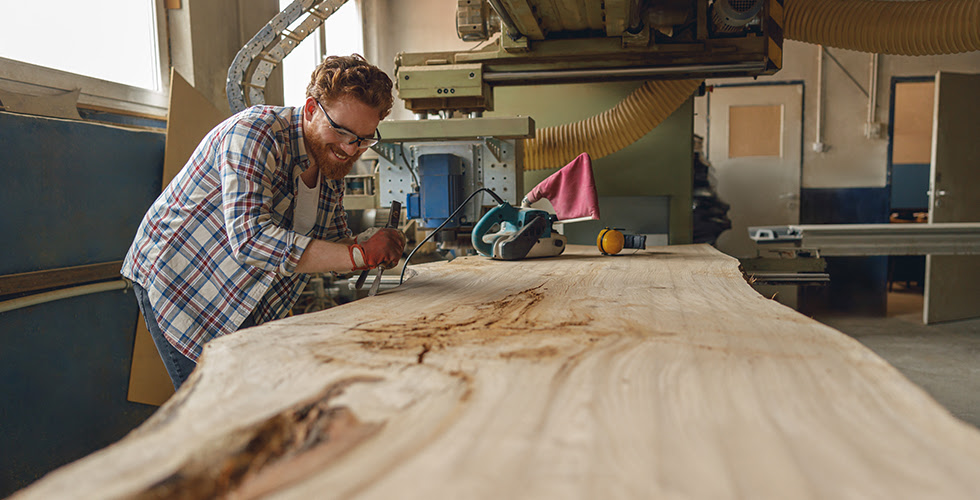
The right materials matter quite a bit. But it won't mean much if you can't find a contractor who actually gets what we're up against in this region. A reliable partner can point you toward the products that will work best for what you're trying to build. House of Hardwood has been working with builders, contractors and homeowners for years now, and we've helped plenty of clients find the right materials for projects that need to stand up against termites and last a long time. We stock the termite-resistant wood species we've talked about, and our team can help to match you with the right option based on what you're trying to accomplish, what you can spend and your timeline.
Come and check us out at our West LA location if you want to see the lumber in person and get a feel for the quality, or just give us a call, and we can talk through your project together.