
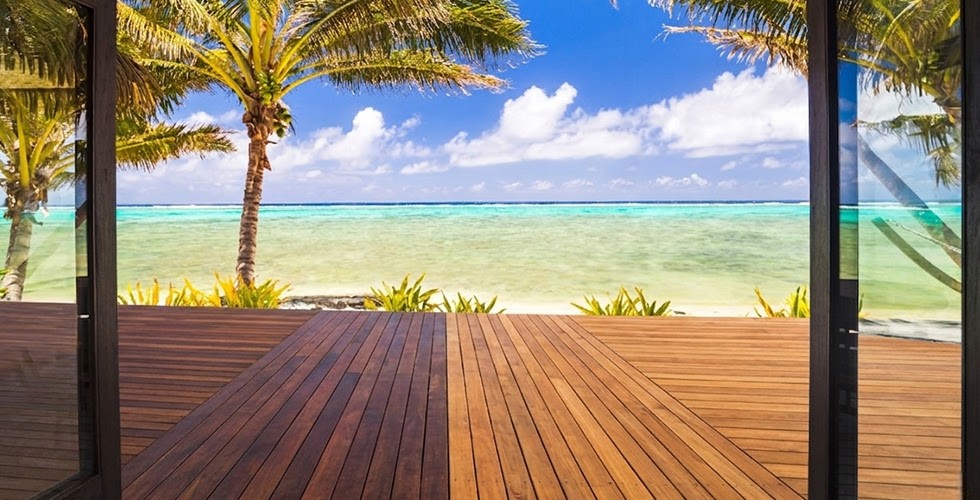
The wrong decking wood for a coastal home is the mistake that costs you money slowly - and then all at once. Salt air, relentless humidity and year-round UV exposure will eat through the wrong materials fast - and plenty of homeowners along the Gulf and Atlantic coasts have already learned this the hard way after replacing their deck within 5 to 7 years. A full deck replacement in under a decade is a painful and expensive lesson - and one that you don't want to learn firsthand. The right wood can hold up beautifully for decades with very little maintenance - and that's where the choice between these two materials becomes worth your full attention.
Vacation rental owners and full-time coastal residents usually want very different outcomes - even when the same two products are sitting right in front of them. For a rental owner, durability and low maintenance are the priority - no one wants to have deck work added to the to-do list between guest turnovers. A long-term resident is usually more focused on the bigger picture - a deck that still looks great 15 or 20 years from now. Budget is also a factor for both groups - but it tends to play out very differently depending on whether you're thinking short-term or long-term.
From what I've seen, treating one as a pricier version of the other misses the real picture. The two products have actual differences in how they hold up over time, how much maintenance they need and what they look like after years of sun and salt exposure. A direct comparison is probably the best way to see which one makes sense for your property.
Let's take a closer look at these two woods to help you find the right fit for your coastal deck!
Not All Wood Can Handle the Coast
Coastal living comes with plenty of upsides - the views, the breeze and the lifestyle. Your deck pays a price for it. Salt air works its way into the wood grain all year long, and the humidity almost never lets up. Add the wind-driven rain and relentless UV exposure, and you're left with conditions that break most wood down fast.
Pine and cedar are probably the best examples of this problem. Plenty of homeowners along the Gulf and Atlantic coasts have laid down a pine deck, loved it on day one and then watched it warp and splinter within two or three seasons. And it's not a slow decline either - the wood starts to crack, the surface begins to lift, and moisture gets underneath to speed the rot along from the inside out. At that point, you're past light maintenance - you have to find a full replacement.
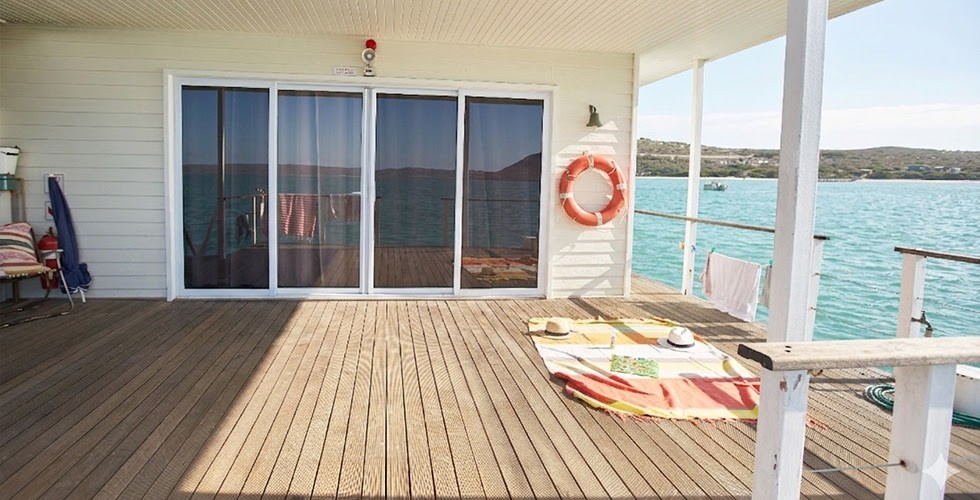
Coastal decking is a pretty different challenge from a standard backyard build. Your material has to survive a nearly relentless rotation of salt air, intense heat, rain and direct sun - season after season without a break. Most woods just weren't built for that kind of punishment.
With coastal decks, the conversation usually comes back to dense tropical hardwoods, and it makes sense why. Their tight grain and natural oils give the wood a much better chance to hold up in salty air over the long haul. Not every hardwood works, though. The wood has to be dense enough to resist moisture and stable enough to manage the temperature changes that coastal weather brings. When a wood has that combination, it makes the difference between a deck that lasts thirty years and one that's warped and rotting before the first decade is even done.
How Each Wood Handles Salt and Moisture
Teak has a long history with saltwater, and it means something. Boatbuilders have relied on it for centuries, and the reason traces back to what's already inside the wood - a natural blend of silica and oils that work together to keep the moisture out.
That oil acts as a barrier between the grain and whatever the coast throws at it, whether that's salt water, sea air or just non-stop moisture. Mildew, salt film and pooled water are the problems that coastal homeowners worry about most, and teak is one of the few materials that resists all three without much extra maintenance.
Ipe also holds up well against moisture. It's an extremely dense wood. That density makes it very hard for water to penetrate. Where it falls a little short compared to teak is that it doesn't have those natural oils built into the wood. In a coastal environment where salt air is a reality, that's a gap worth keeping in mind.
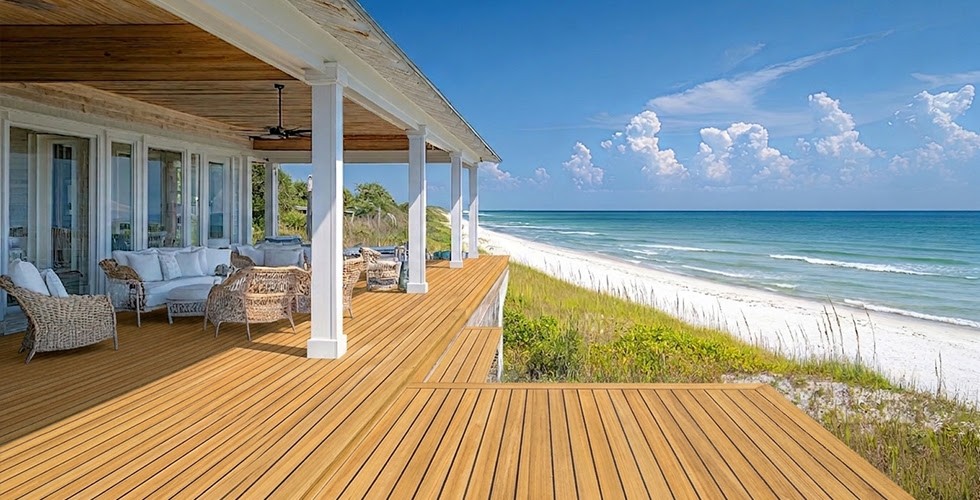
These two woods approach moisture resistance in pretty different ways. Teak has natural oils and protective compounds built right into it, and ipe relies on its density alone for that same job. They hold up well near the water (ipe included), but what's behind that durability in each case is quite different.
The difference between the two actually starts to matter for long-term low-maintenance performance. Coastal decks are up against non-stop moisture (day after day and year after year), and teak's natural oils give it a built-in layer of protection against that relentless wear. Ipe can hold its own out there as well. But it tends to need a bit more attention to stay at the same level - scheduled sealing and maintenance to keep it in top shape.
How Well Does Each Wood Hold Up
Ipe sits at around 3,500 on the Janka hardness scale. But teak comes in at roughly 1,000 - that's a pretty wide gap, and it does translate into some real day-to-day differences that matter.
A harder wood is always going to hold up better against dents and surface wear over time. Patio furniture gets dragged across the deck, sandy shoes come in from the beach, and kids run around all summer - your deck takes a beating, and ipe holds up with very little to show for it. It's one of the toughest decking materials that you can buy.
The trade-off is that it comes at the installation stage. Ipe is one of the harder woods to cut and fasten - it's dense enough that it will slow down even an experienced crew. That extra labor time tends to land on the final invoice.
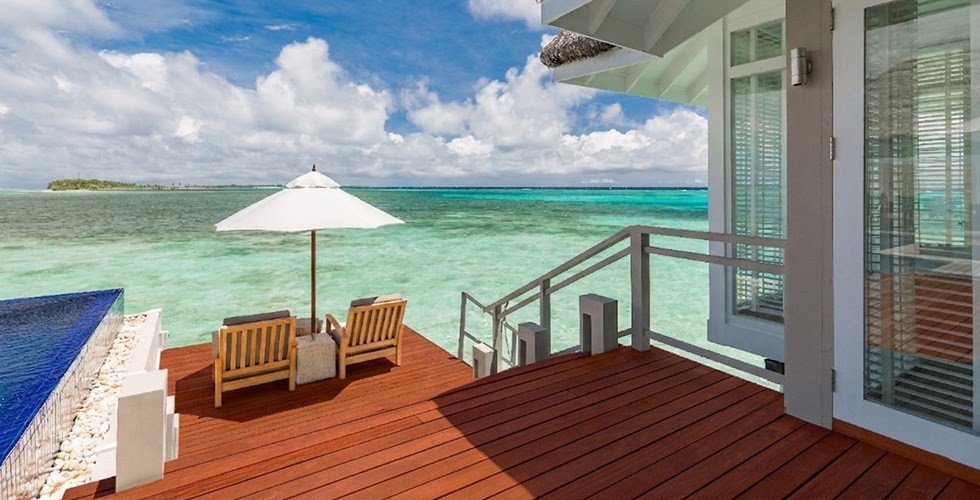
The better question to ask yourself is whether your deck even needs that level of hardness. Teak sits at around 1,000 on the Janka scale, which still makes it a very hard wood by almost any measure - it manages the furniture weight, the foot traffic and the day-to-day coastal wear that comes with waterfront living without much complaint. For most homeowners, that's plenty to get you decades of reliable performance out of a deck.
Ipe starts to justify its price in high-traffic commercial settings or on a deck that's going to take on a heavy amount of day-to-day punishment. For a standard coastal home deck, the hardness difference between the two doesn't add as much in practice - teak is capable of taking on everything that a residential deck will face.
How Teak and Ipe Age Over Time
Fresh-cut teak starts out as a warm honey-brown wood that looks rich and polished right from day one. Over time, with enough exposure to coastal sun and salt air, it slowly weathers into a soft silver-gray. Homeowners love that aged look - there's a nautical quality that feels right at home near the water.
Ipe is a striking wood with a deep reddish-brown color that looks almost impossibly rich on a new deck. With age, it fades to gray (the same as teak), though the transition isn't quite as smooth. Without proper care, ipe can develop what are called surface checks - those small hairline cracks that form as the wood dries and contracts over time. A surface check won't necessarily compromise the wood's strength or durability. But it will change how the deck looks and feels underfoot.
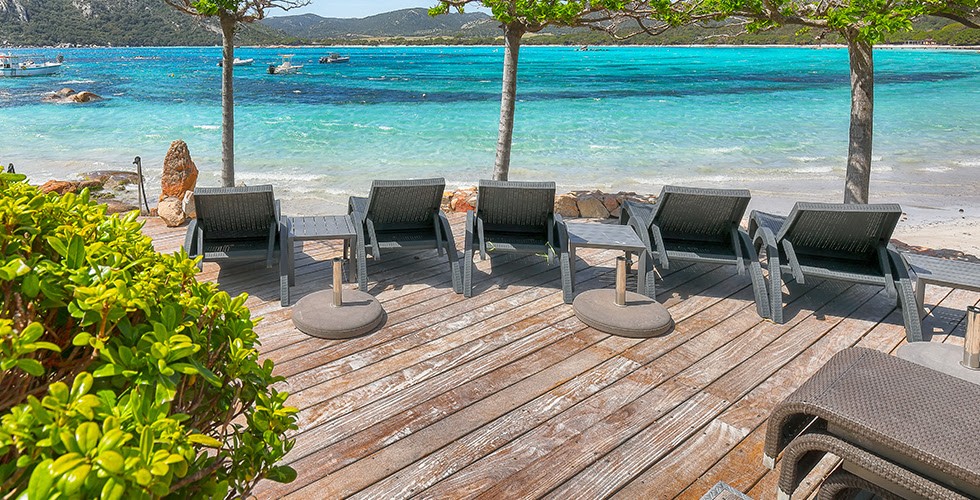
The question is which aged look you like. Teak's silver patina tends to go smooth and even over time - a weathered-but-intentional look that coastal homeowners love. Ipe can age just as attractively, though it relies more heavily on how well the wood has been cared for along the way. Miss a treatment or let it go too long between cleanings, and it will start to show.
These two woods age well, and they each do it a little differently and at their own pace. Teak is probably the right call for a deck that slowly takes on that silvery driftwood look over time. Ipe gives you a very strong starting point for holding onto that rich color as long as possible - you just have to be willing to put in a bit of work along the way.
The Real Work Behind a Coastal Deck
Deck maintenance takes real commitment - and for coastal homeowners, the salt, wind and moisture don't take long to prove it. Between the two, teak is the more forgiving wood when life gets busy. Miss a season of oiling, and it'll slowly drift into a silvery-gray patina instead of suffering any structural damage. Most decking materials will make you regret skipping maintenance - teak won't. That forgiveness is a big part of what makes it a great long-term choice.
Ipe is a bit of a different story - it needs consistent sealing to keep small surface cracks at bay. Without that upkeep, the wood will start to deteriorate pretty quickly. For rental property owners or anyone who isn't always on-site to stay on top of maintenance, that degree of steady commitment can be a tough ask.
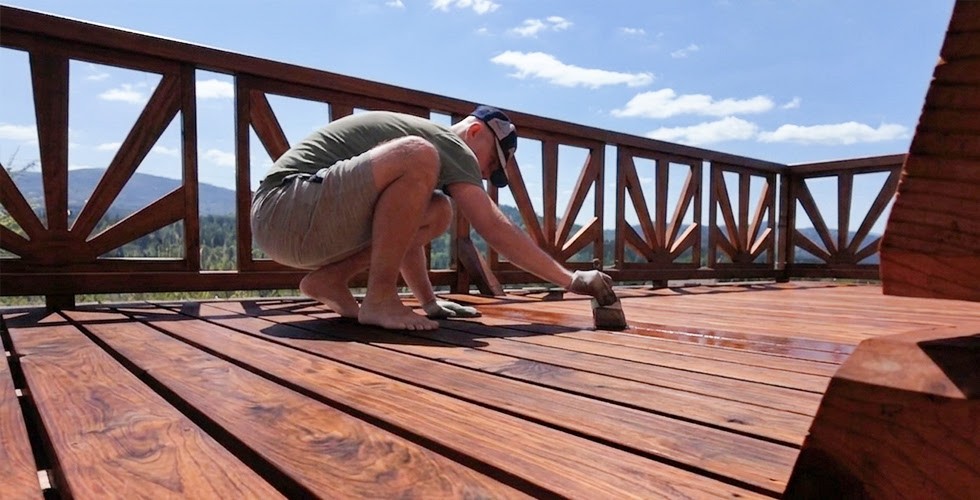
Neither wood is maintenance-free - teak just asks a fair bit less of you from week to week. Ipe does reward the homeowner who's ready to put in a steady effort every year. The gap in time and attention between the two adds up pretty fast - within a season or two, you'll feel it. It's worth a hard look before you make your final call.
For anyone with packed weekends, plenty of travel or a property that they're not necessarily around to look after, teak is the easier long-term choice. Ipe is a wood that rewards the extra attention, so if weekend maintenance sounds more like a hobby than a chore to you, it'll deliver. Whichever way you go, the best move that you can make is to be honest about which type of owner you actually are.
The Real Cost of Teak and Ipe
The price difference between teak and ipe is pretty real, and it adds up very fast. Teak runs anywhere from $20 to over $40 per linear foot, and ipe usually comes in noticeably lower than that. On a 400-square-foot deck, that difference can mean thousands of dollars less out of your pocket before the project even starts - which is a big part of why ipe has attracted attention from homeowners who want a bigger deck without a much bigger bill.
The sticker price is only one factor, though. Both of these woods have very long lifespans - but they age differently and need different levels of care along the way. Teak produces its own natural oils, which means it can go longer between maintenance treatments without much consequence. Ipe is extremely hard and dense, which works in its favor. It does need oil applied periodically to prevent surface cracks over time. In a coastal or high-humidity environment, that maintenance schedule is worth accounting for.
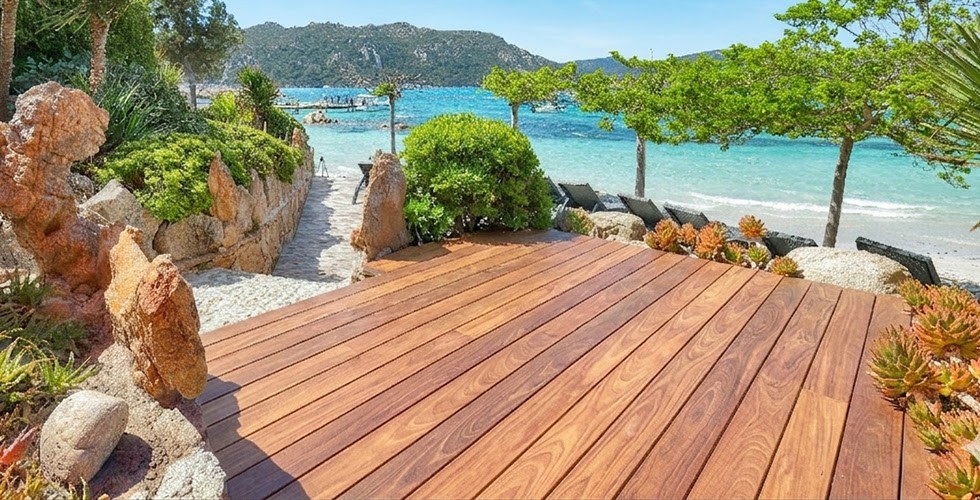
That's where the comparison starts to get quite a bit more interesting. When you add up what you're likely to spend on maintenance over 10 or 20 years, the total cost can end up looking pretty different from that initial number. A lower up-front price can be the right move on a bigger project with a tight budget - no argument there. A wood that needs less maintenance over the years can still save you money in ways that never quite show up on that original receipt.
The answer won't be the same for everyone - it mostly depends on how long you're looking to own the deck, what your budget looks like from year to year and how much maintenance you're actually up for. A person who legitimately loves outdoor maintenance will probably come to a very different conclusion than a person who just wants a beautiful deck without all that work - and both are valid options.
Build Something Extraordinary
Each one of these woods has genuine strengths, and neither one would be a bad fit for a coastal deck. Teak has centuries of proven performance behind it, with natural oils that take care of most of the protective work on their own and maintenance that's easy enough to work into even a packed schedule. Ipe delivers genuine hardness and a lower starting price that can mean actual savings on a bigger project. At the end of the day, it all can depend on what matters the most to you - your budget, how much time you're willing to put into maintenance and how involved you want to be with your deck over the long haul.
Take a step back in a comparison like this, and it's easy to see just how far ahead either wood actually puts you. A choice between teak and ipe is a great problem to have. They'll outlast softer alternatives by a wide margin and hold up against the coastal conditions that wear out pine and cedar after just a few seasons.
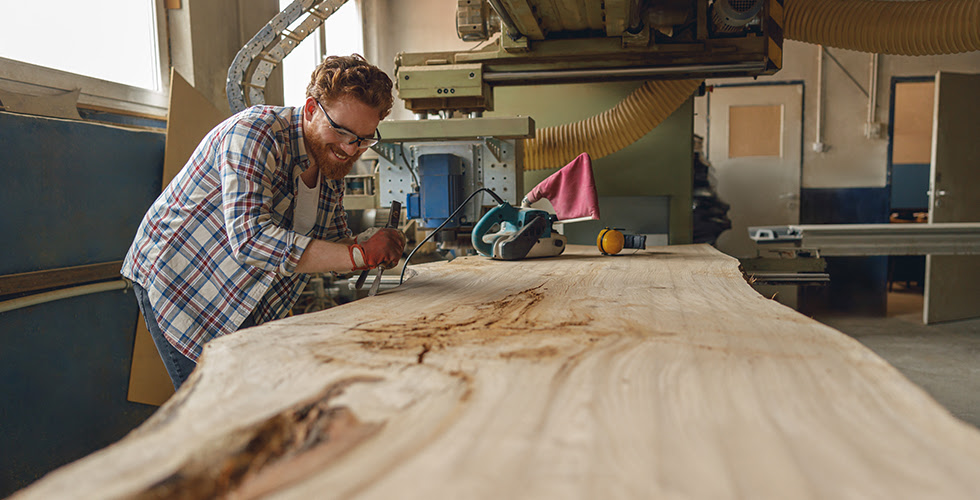
At House of Hardwood, we carry both teak and ipe and can take the headache out of a choice like this - our favorite part of what we do. Whether you're a homeowner trying to land on the right fit for your property, a contractor with a coastal build on the calendar or just anyone who wants to talk it through before spending any money on it - we'd love to be part of that conversation. Stop by our yard on Wellesley Ave, give us a call or just find us online. We're happy to see you get it right.