
Sapele Lumber
Sapele Lumber in Los Angeles
Sapele has quietly become one of the most popular hardwoods in professional woodworking and millwork. Often compared to genuine mahogany for its rich reddish-brown color, interlocked grain, and natural luster, sapele delivers a similar look and feel at a more accessible price - with the added bonus of being harder and more readily available. It’s a top choice for entry doors, cabinetry, furniture, musical instruments, veneers, and boat building. At House of Hardwood, we carry sapele lumber to serve woodworkers, cabinet shops, luthiers, millwork shops, designers, and contractors across Los Angeles.
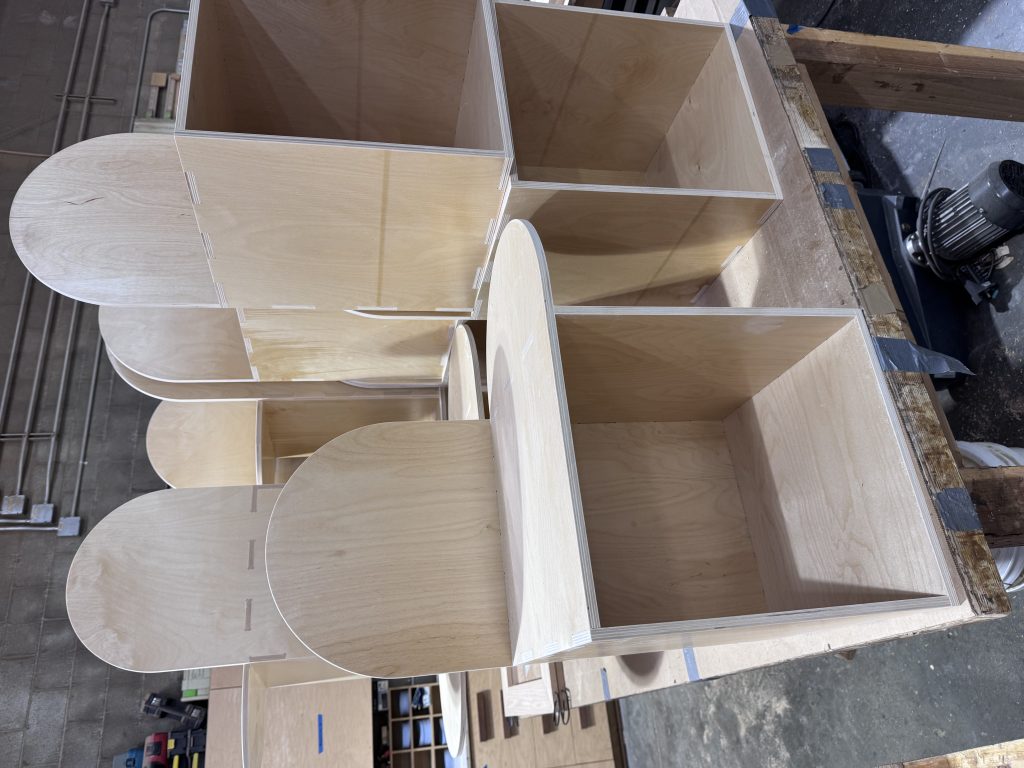
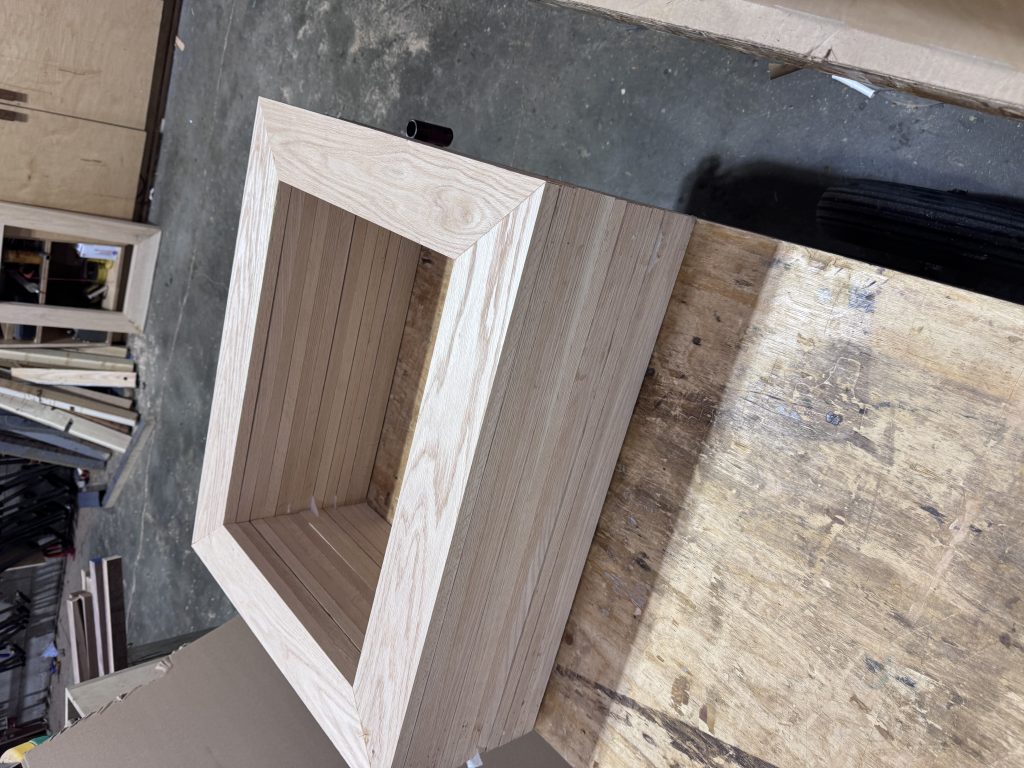
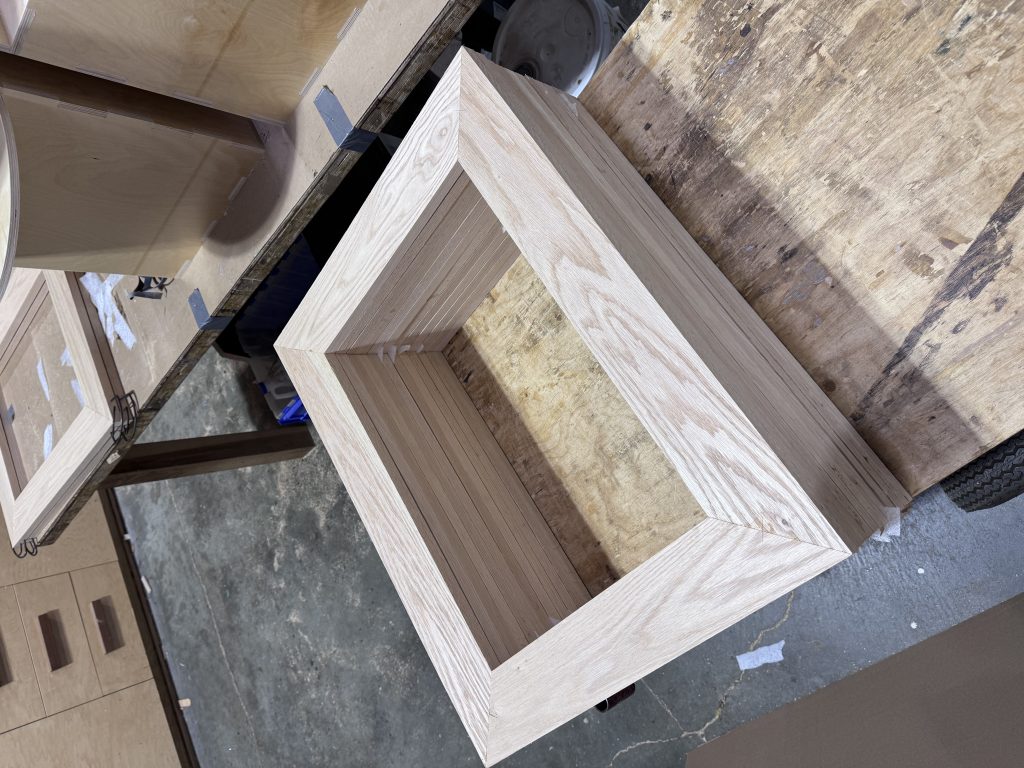


Our Sapele Lumber Selection
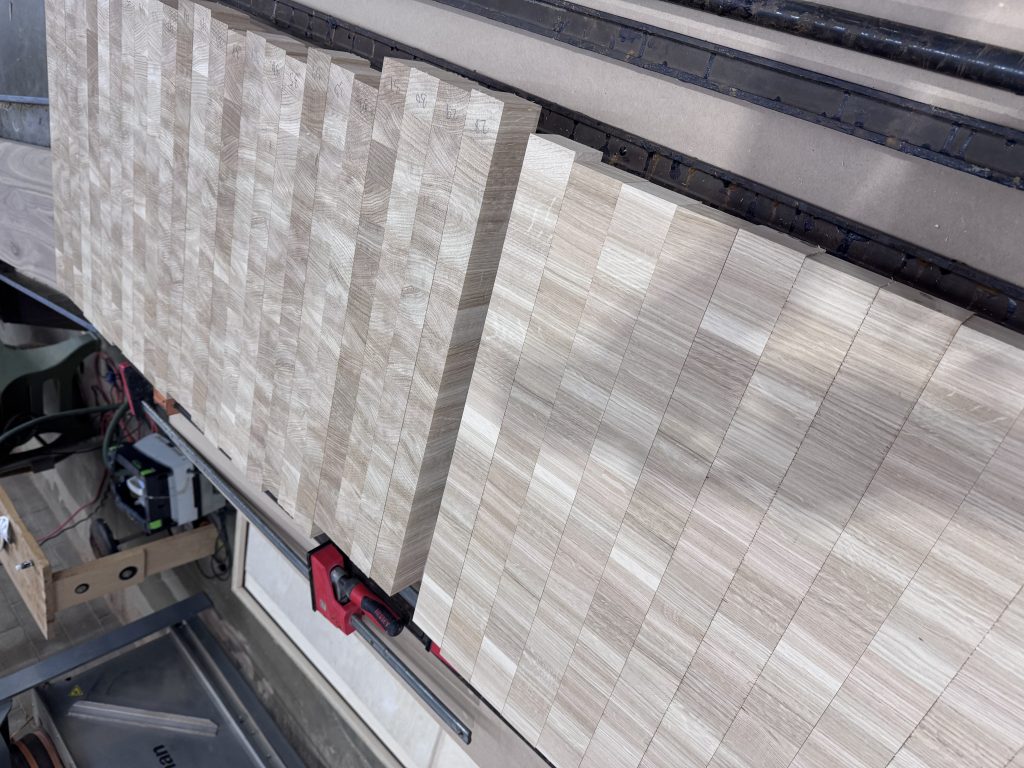
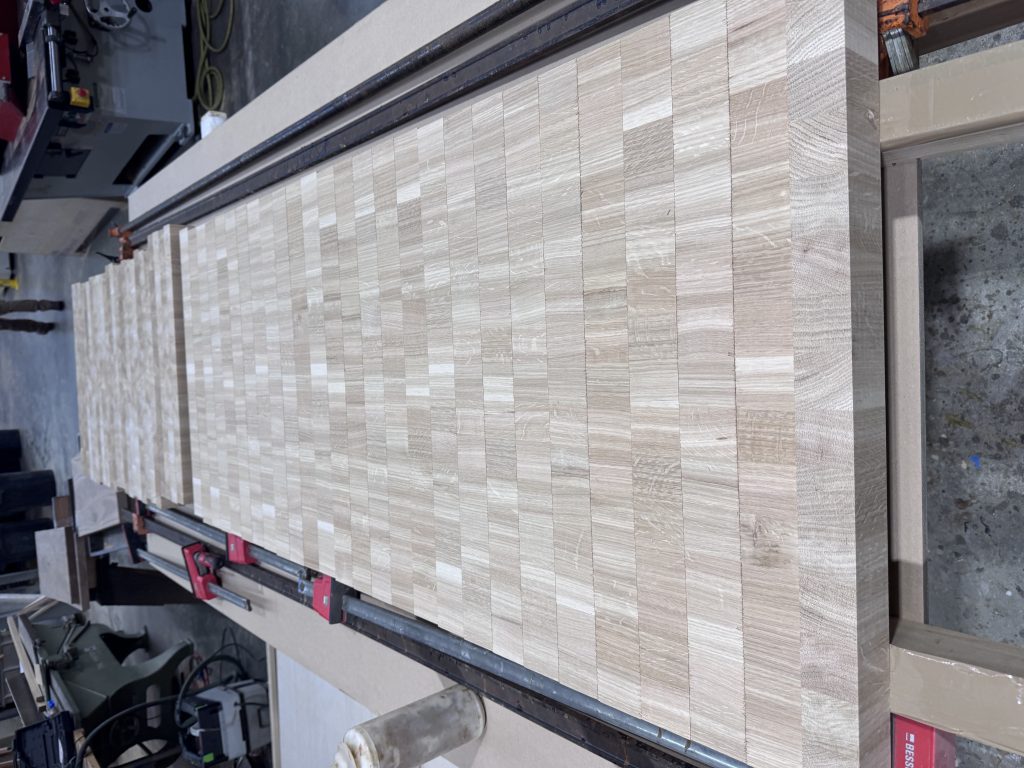
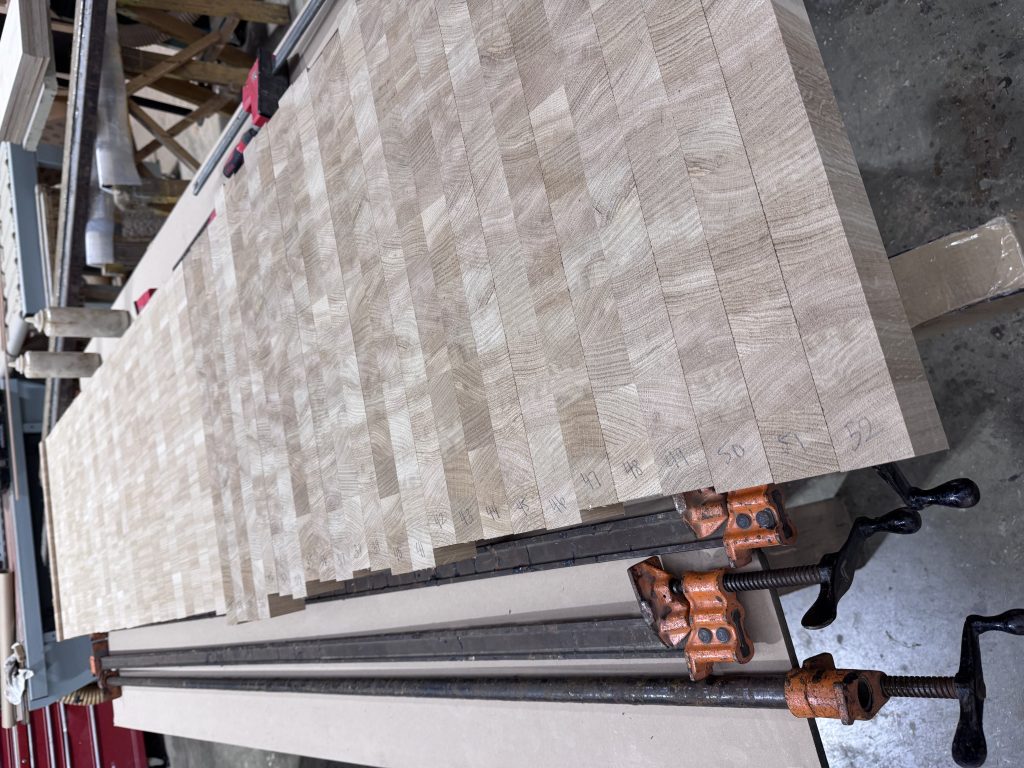
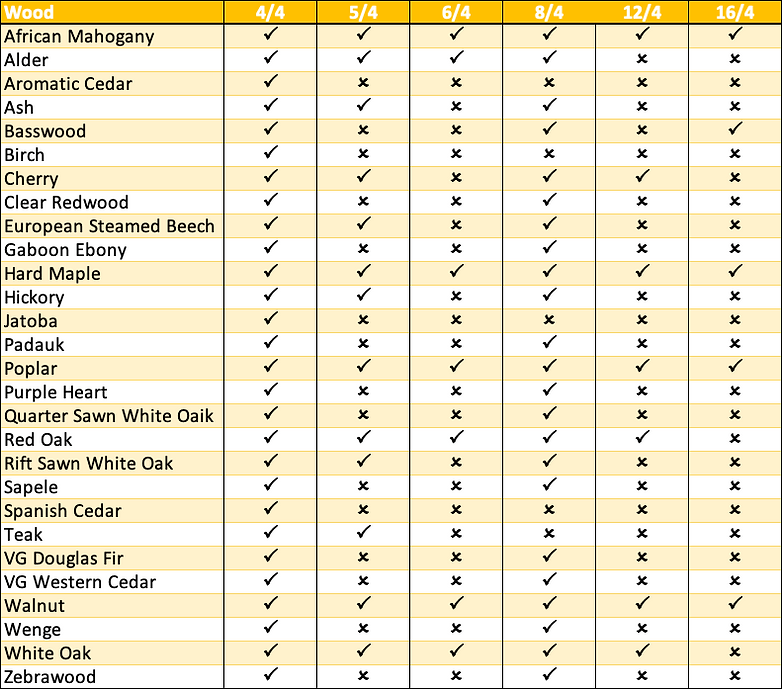
Our sapele lumber is available in 4/4 through 8/4 thicknesses in both rough-sawn and surfaced (S4S) options. We stock select and better grades with the warm reddish-brown color, ribbon-stripe figure, and consistent quality this species is known for. Quartersawn sapele - prized for its pronounced ribbon-stripe pattern - is available as stock allows. Ask our team about current inventory, widths, and lengths.
Why Woodworkers Choose Sapele
- Mahogany alternative - Sapele offers the warm, rich color and refined appearance of genuine mahogany at a more accessible price point, making it a smart substitute for high-end millwork and furniture
- Ribbon-stripe figure - Quartersawn sapele produces a striking, shimmering ribbon-stripe pattern that catches light beautifully and has become a signature look for entry doors and architectural panels
- Hardness and durability - Significantly harder than genuine mahogany with a Janka rating of around 1,510 lbf, sapele holds up well in high-use applications like flooring, stair parts, and commercial millwork
- Excellent finishing - Its natural luster deepens under oil, lacquer, and varnish; the wood’s reddish-brown tone darkens and enriches with age and light exposure
- Tonal quality - Valued by luthiers as a tonewood for guitar backs, sides, and ukuleles, offering warmth and projection comparable to mahogany at a fraction of the cost
Working with Sapele
Sapele’s interlocked grain can tear out during planing if approached carelessly - light passes with sharp tooling and reduced cutting angles help produce clean surfaces. It glues, screws, and sands well, and it accepts both stain and clear finishes evenly. If you’re working with multiple species, understanding end grain vs edge grain when buying hardwood boards can help you plan cuts and avoid surface issues across your project.
Sizing
Here at the House Of Hardwood, we sell most of our lumber by volume, using Board Feet.
Volume = Thickness" x Width" x Length" / 144 = bf
Importantly, the hardwood measuring system bases the thickness based on rough cutting done at the lumber mill, so all fractions indicate the ROUGH thickness.
We sell our hardwood S2S (Surfaced 2 Sides) – This means the boards have been planed down from their rough cut form to be flat. The edges are still not straight at this point, but we can straighten them up for you!
This S2S operation removes 3/16" therefore it is important to note net thicknesses:
| Rough Thickness | Net Thickness (S2S) |
|---|---|
| 4/4 Lumber | 13/16" |
| 5/4 Lumber | 1 1/16" |
| 6/4 Lumber | 1 5/16" |
| 8/4 Lumber | 1 13/16" |
| 10/4 Lumber | 2 5/16" |
| 12/4 Lumber | 2 13/16" |
| 16/4 Lumber | 3 13/16" |
Visit Us or Call Ahead
Sapele is one of our more consistently stocked imported species, but quartersawn material and wider boards can vary. We recommend calling ahead or stopping by to hand-select your material - especially if ribbon-stripe figure is important to your project.
📍 2414 S. Wellesley Ave., Los Angeles, CA 90064
📞 310-479-4196
✉️ [email protected]
🕐 Monday-Friday, 7:30 am-4:00 pm