
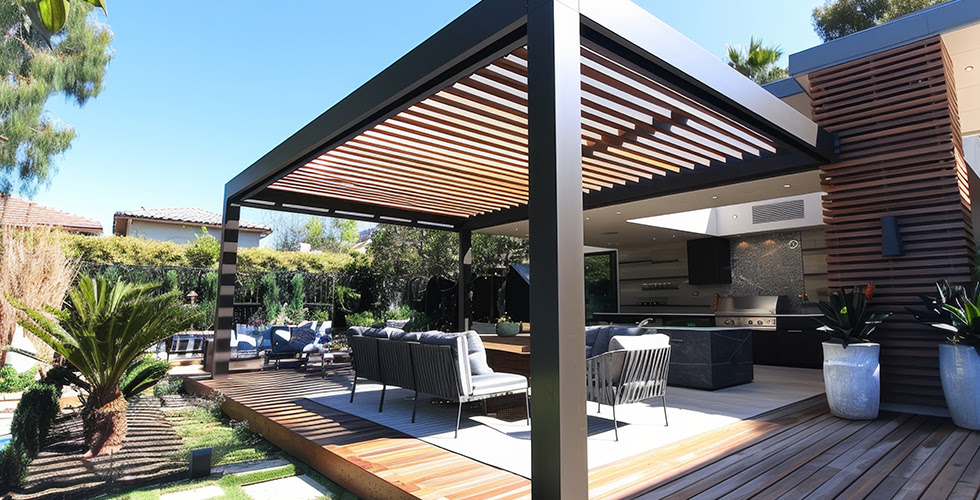
An outdoor pergola in Southern California has to contend with conditions that most structures never face - intense UV exposure, relentless dry heat, seasonal wildfire danger and year-round termite pressure that just does not let up. Any one of them alone is rough enough. All four of them together create a pretty brutal environment for wood to survive in over the long haul. Pick the wrong species, and you could be left with warped boards, surface cracks or a full-blown pest problem within just a few years of installation - and for a structure that’s meant to last decades, that’s a pretty poor return on your investment.
A pergola is one of the bigger investments that you can make for your backyard, and it’s a big reason why the lumber choice deserves more thought than it usually gets. Plenty of homeowners go into it with a rough budget and a gut feeling that “hardwood is better,” which is true enough. But the lumber market has dozens of species spread across a pretty wide range of price points, and each of them acts fairly differently once it’s out in the field. The distance between what a vendor claims and how the wood actually holds up is where the expensive mistakes show up - and it’s a gap I come across with buyers pretty regularly.
A well-chosen species lowers your long-term maintenance costs, keeps you on the right side of local fire codes and protects an investment that’s going to be sitting outdoors for decades on end. Not every wood holds up in every climate the same way - some will hold up beautifully in one region and fall apart in another. Southern California has its own conditions, and plenty of species just aren’t built for it.
The right call from the beginning can save you money, plenty of issues and the frustration of pulling the whole structure down and starting over. Wood species matter more than they usually get credit for - what each one can realistically hold up against is the difference between a pergola that’s still standing twenty years from now and one that barely makes it past year five.
So let’s find the perfect hardwood to make your Southern California pergola last!
Why Hardwood Holds Up Better in the Sun
Pine and cedar are popular options, and it’s not hard to see why - they’re lighter to work with, easier to cut and quite a bit cheaper up front. That lower price does bring a trade-off, though. Softwoods have a more open grain structure, which means they absorb moisture far more easily, and they’re more vulnerable to the cracking and warping that prolonged sun exposure gives you. In a place like Southern California, where the heat is relentless and the UV index stays high for most of the year, a few seasons outside can start to do real damage. The deterioration tends to compound over time in ways that become harder to reverse.
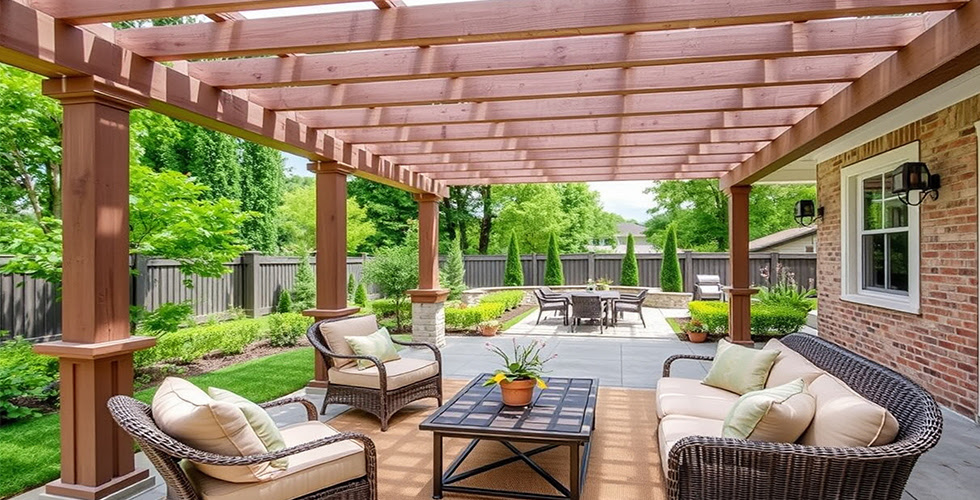
Hardwoods have natural oils built right into them - it’s one of the biggest reasons they hold up well outdoors. Those oils resist moisture and stop the wood from deteriorating over time - no extra treatment is needed. Species like teak and ipe are examples of this, and they’re popular in outdoor applications for that reason. Softwoods don’t have that same built-in protection from the start, though they can be sealed or treated to help offset that. What buyers underestimate is the long-term cost side of that equation, though. Maintenance on a treated softwood tends to add up year after year, sometimes by quite a bit. On any long-term outdoor build, that’s worth adding to your total budget from day one.
What Termites Do to the Wrong Wood
Southern California is one of the worst areas in the country for drywood termites, and if you’ve ever had to manage an infestation, you already know what that means. The inspections, the treatments and the bills that come right along with them - it can all get very expensive very fast.
Termite damage is one of the more expensive repairs a homeowner can run into, and if your pergola is built from the wrong material, it can become a bill that comes back again and again. When most homeowners sit down to budget for a pergola, the focus is usually on the material costs and labor (which makes sense), but pest resistance almost never makes it onto the list until the damage is already done.
A handful of dense tropical hardwoods can resist termite damage on their own - with no chemical treatment needed at all. Woods like Ipe, Cumaru and Garapa are so tightly grained and so physically dense that termites have a very hard time getting through them.
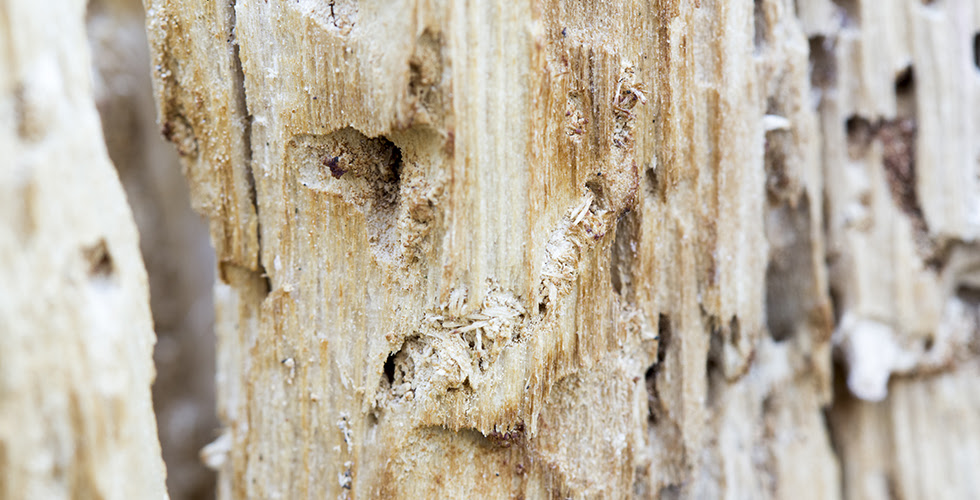
No wood is pest-proof under every possible condition - that’s just the honest reality of natural materials. Weather, soil contact and moisture can all take a toll over time, no matter the species. With that in mind, the natural density of these tropical hardwoods does give them a genuine head start in a climate like Southern California’s. Compared to standard pressure-treated pine or cedar, the difference in long-term pest maintenance can be pretty obvious.
A wood with natural pest resistance won’t fix every maintenance issue that your pergola might run into - but it does take care of one of the more expensive ones before it ever gets a chance to become a problem. For anyone who’d rather not spend more than they have to on maintenance over the years, that alone makes it worth it to pay a little more at the start. You can learn more about termite-resistant hardwood species for Southern CA before making your final decision.
Ipe Has the Best Fire Rating and Durability
Ipe (also known as Brazilian Walnut) has built quite a reputation as the best hardwood for pergolas in Southern California, and it’s well-deserved. A big part of that comes from its Class A fire rating - the highest grade that any building material can receive. In a region where wildfires are a very real and persistent concern year after year, a rating like that can go a long way. Before you lock in a material choice, it’s worth a quick check-in with your insurance provider first - plenty of them have their own requirements for fire-rated materials on outdoor structures.
On top of fire resistance, Ipe is also one of the densest hardwoods available - its density is actually a big part of what makes it so fire-resistant. A well-maintained Ipe pergola can last well over 40 years - a lifespan that very few natural wood products can come close to. Most decking and pergola materials just don’t hold up that long under those conditions.
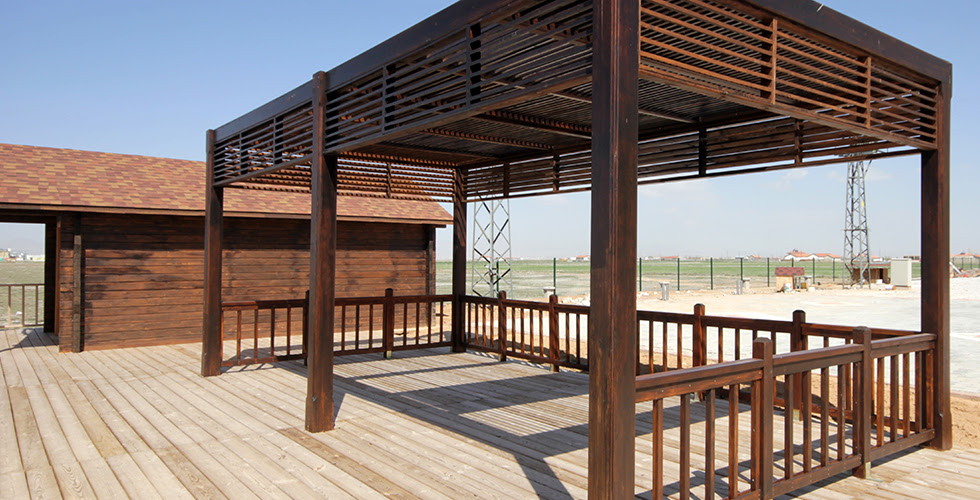
If your property sits within a designated fire zone, your city or county likely has building codes that restrict which materials are allowed for outdoor structures. California’s fire-hazard severity zones are mapped out and publicly available, so a quick search will tell you where your property lands.
Ipe does cost more up front than pressure-treated wood or most composite options, no question about that. The lifespan, the fire rating and the near-zero maintenance tend to more than make up for that price gap over the long run, though. For most homeowners in Southern California, it’s the first material that I’d point them toward.
A Look at Teak, Cumaru, and Garapa
Ipe gets most of the attention in outdoor hardwood circles, and it earns it - but it’s nowhere near the only wood worth a second look for a Southern California pergola. Teak, Cumaru and Garapa each have quite a bit to give you, and for the right project, one of them might actually turn out to be the better pick.
Teak has earned its place at the top of the outdoor hardwood conversation, and it’s not hard to see why - it produces its own oils, which protect it from moisture and day-to-day wear over the years. It also has a high silica content built right into the wood, which can add an extra layer of durability that most other hardwoods don’t have. The biggest downside is the price - teak tends to cost more than most of its competitors, and responsibly sourced options with FSC certification can also be harder to come by.
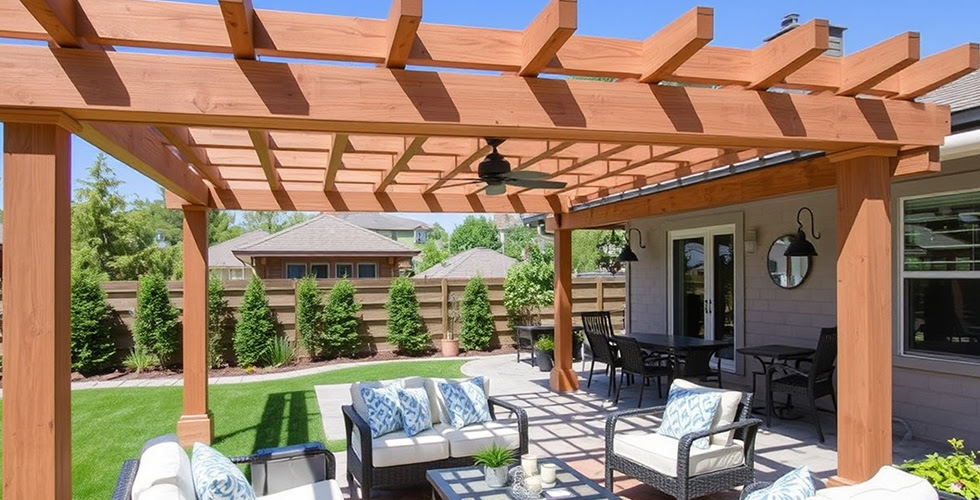
Cumaru is one of the options worth a look if you want something close to Ipe in hardness but without the higher price tag - it performs extremely well outdoors and falls right in that same durability range. For anyone with a tighter budget, Cumaru is one of the better values in this category - with most of the same performance at a more accessible price point.
Garapa goes in a different direction. Its lighter golden tone is something plenty of homeowners like over the deeper browns of Ipe or Cumaru. It’s still a very tough hardwood (no question about that), but more often than not, the reason most homeowners land on Garapa is less about raw performance and more about how it looks. A choice like that makes total sense. The right wood for a project is sometimes just the one that matches what you had in mind from the start - and how it looks is as valid a reason to go with one as raw durability is. If you’re still weighing your options, a closer look at the best hardwood species for SoCal outdoor builds can help narrow things down.
What the Sun Does to Pergola Wood
Southern California’s sun is relentless, and wood that’s left exposed to it takes the full brunt of that all year long. The UV rays will slowly pull the moisture right out of it, and little surface cracks start to form. The warm color that drew you to it slowly starts to fade away. That’s not what any of us wants.
Denser hardwoods do hold up better under this stress - and there’s a reason for that. A tighter grain makes it quite hard for UV radiation to work its way into the surface and cause damage, which is legitimately helpful in a climate like this. That said, no wood species is immune to it. Even the densest ones will eventually start to turn silver and gray if you leave them unprotected in direct sunlight for long enough.
That color change also tends to happen much faster than you might plan for. A pergola that looks warm and full of life in the spring can look pretty washed out by the end of summer - and sometimes even before that, based on where it sits and how much shade it gets throughout the day.
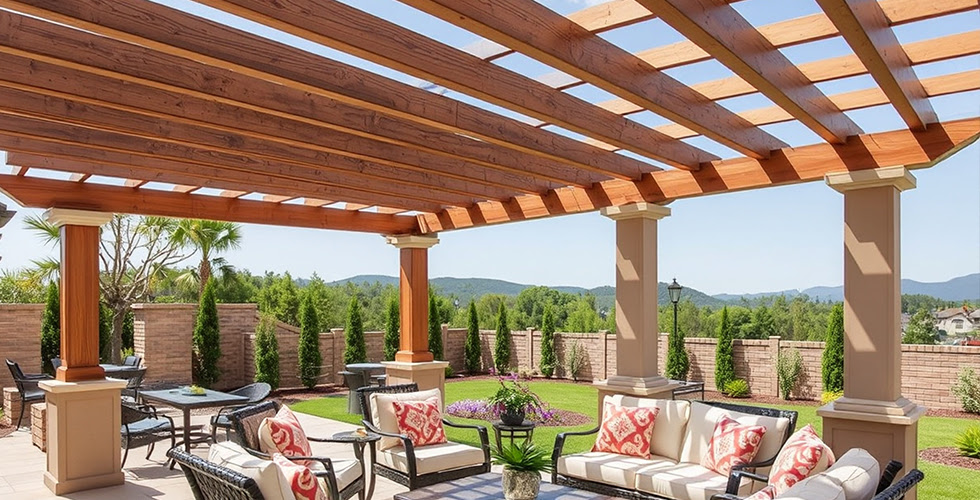
It’s not a permanent problem, though - with the right products, you can slow it down quite a bit. A UV-protective oil or sealant puts up a barrier between the wood and the sun. That barrier alone goes a long way toward preserving the color and the surface underneath. In my experience, this single step tends to make more of a difference than almost anything else that you can do for the wood.
Reapplication schedules and product compatibility aren’t one-size-fits-all - they each change quite a bit depending on the wood species in question. A sealant that holds up well on one type of wood can barely last a season on another. That gap in performance is why the right pairing matters quite a bit in the long run.
How to Care for a Hardwood Pergola
Premium hardwood is actually easier to care for than softwood, and that’s a big part of why it’s so popular for pergola builds. The catch is that “low maintenance” and “no maintenance” aren’t the same - it’s just where most pergola owners find themselves running into some problems.
A hardwood pergola in Southern California needs to be oiled about once every year - or every 2 years if it has a full protective finish applied to it from day one. The oil hydrates the wood and prevents the surface from drying out and cracking over time. For most homeowners, it’s a pretty manageable weekend project, and you don’t need anything past basic tools.
The great news is that the cleaning is the easier part. A gentle wash to knock off any dust, pollen or debris is all it takes - you just want to give the oil a clean surface to soak into.
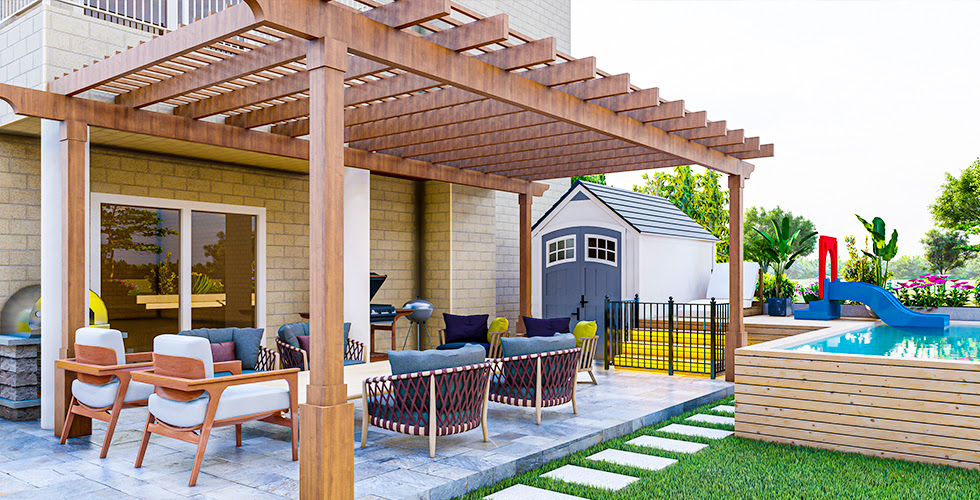
Skipping a year or two won’t make the wood fall apart overnight. But it will start to age faster. The surface gets rough and gray, and small cracks start to form - and once that happens, you’re looking at more work to fix the damage than it ever would’ve taken to prevent it. The easier move is always to get out ahead of it.
A well-chosen hardwood pergola doesn’t ask that much from you. One afternoon of work per year is a pretty fair trade for a structure that holds up beautifully over time. With honest expectations and a manageable maintenance schedule, the material will mostly take care of itself.
Other Pergola Materials Worth a Look
Hardwood gets plenty of credit. But it’s nowhere near the only way to wind up with a beautiful pergola. Composite lumber and aluminum are worth a look - especially for homeowners who want something that doesn’t demand much care.
Composite lumber is made from a combination of wood fiber and plastic. It holds up extremely well against moisture without ever needing to be sealed or stained. Aluminum goes even one step further - it comes about as close to a maintenance-free material as you can get. It pairs quite well with more modern or industrial-style designs.
Locally sourced eucalyptus is also worth mentioning. It’s been picking up a lot more attention in California as a more sustainable choice - it grows fast and gets harvested close to home, which is a big part of why it draws in environmentally-minded buyers. The wood itself sits in an interesting middle ground between a true high-end hardwood and a low-maintenance alternative - and if the environmental footprint is something that matters to you, it’s probably the best option on this list.
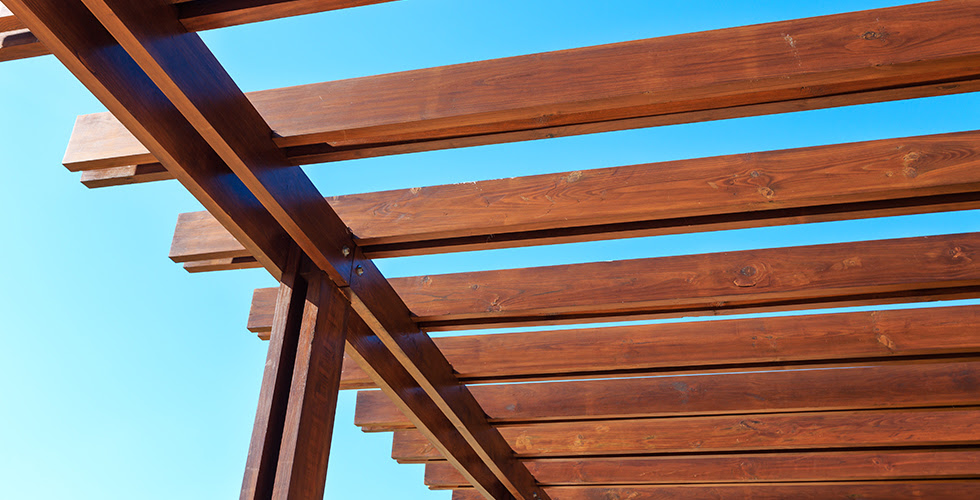
Every material on this list does have a trade-off. For all three of them, what gets sacrificed is the one quality that true hardwood has in spades - the natural grain, warmth and the weathered character that only seems to get deeper with age. Composite and aluminum can look polished and clean, and there’s plenty to like about them. Neither one brings that same living quality to a space the way that wood does, though.
Most of this does come down to what you care about most. If natural wood’s appearance is something that you’re not willing to give up, and a little maintenance every few years is no big deal, hardwood is a tough option to walk away from. If what you want is something that holds up for a long time without much effort, these alternatives are well worth a hard look.
Build Something Extraordinary
Southern California is legitimately tough on outdoor structures - between the dry heat, the fire season and termites that never seem to go away, the wear and tear can take a toll. A deck or pergola is a long-term investment, and the wood that you pick will be living outside with everything that this climate throws at it - so it’s well worth the time to slow down and do it right.
When you’re ready to pull materials together (or just want to talk through your options with a team that knows our hardwoods), House of Hardwood is a great place to start. We’ve been helping Southern California homeowners, contractors and designers find the right lumber for the right projects for years, and we carry a wide selection of everything that we covered here. Whether you already have a species in mind or you’re still in the early stages, we’re happy to sit down and work through the facts with you. Come on by our yard on Wellesley Ave in West LA and see the wood in person - a species can look one way on a screen and feel quite different once you have a sample in your hand. Or just give us a call - we’d love to help you figure out what your project needs.