
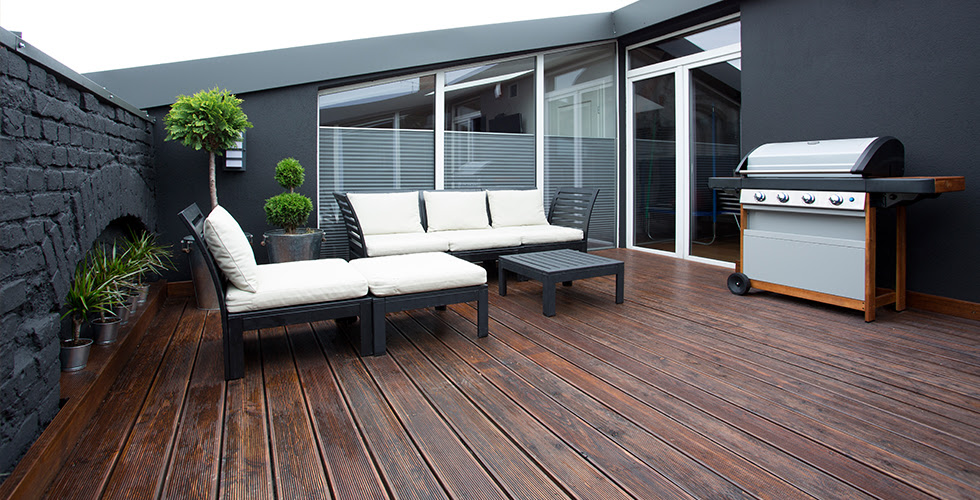
The choice of deck wood for an LA home is pretty involved. Teak and ipe have well-earned reputations in the outdoor lumber world, and plenty of homeowners land on one of the two pretty fast. Once the research starts piling up, though (pricing, maintenance, fire ratings and supply questions), the choice gets quite a bit tougher. And at $70+ per square foot installed, a wrong call is a very expensive one.
Southern California decks face conditions that most standard lumber specs were never written for. UV indexes reach extreme levels all summer long, and months of dry heat put real stress on the wood. Then an atmospheric river rolls in and dumps heavy rain on material that looked fine all year - that’s when warping and cracking become a genuine concern. Add in LA’s increasingly strict green building codes, and the post-Palisades Fire attention on materials in WUI zones, and your material choice ends up carrying quite a bit more weight.
Both woods are legitimately strong options (well above average in their own right), but each of them works a little differently, and those differences do matter for a long-term investment like this. Your local microclimate, your budget, how much maintenance you’re willing to manage each year and whether your neighborhood sits in a fire hazard zone all have a say in which one is the right fit for your project. After going through this comparison more times than I can count, the answer almost never lands in the same place twice.
This rundown is meant to cover what each wood type actually delivers in Southern California conditions, specifically (not in some vague general sense and not based on its reputation alone), so whatever you land on feels grounded in something concrete and relevant to where you live. Let’s look at the options so you can find the right fit for your deck.
What LA Weather Does to Your Deck
Los Angeles gets sunshine - it’s no understatement. The UV exposure here is relentless, and it quietly works against wood in ways that most homeowners never quite account for when they’re planning a deck. What UV rays actually do over time is break down the wood fibers themselves, which causes the wood to fade, dry out and eventually crack. A deck that looks great in year one can look decades older by year three if the wood wasn’t built to hold up under that level of steady exposure.
Rain is a big part of this as well. Atmospheric river events have been hitting Southern California harder, which means deck wood now has to go back and forth between long dry stretches and sudden soaking - and sometimes the two happen within the same season. Not every hardwood holds up all that well under that level of stress.
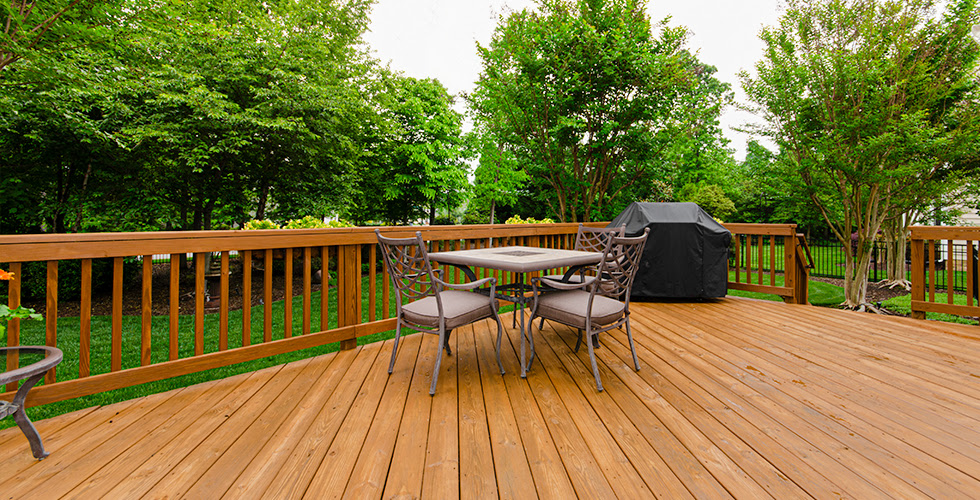
Location within LA really does matter. A deck along the coast in Malibu or Santa Monica faces saltier and more humid air. That moisture tends to cling to surfaces and create its own long-term problems. Head inland to somewhere like the San Fernando Valley or Pasadena, and the challenge flips - far more intense heat and very little humidity. Neither of these environments is easy on a deck, and each puts a different type of stress on wood over time. Whatever material you choose, your exact location in LA does need to be part of that choice - especially if you’re near the water and considering hardwood species suited for coastal decks.
How Durable Are Teak and Ipe
Ipe is one of the densest woods on the planet - dense enough to actually sink in water. All that density gives you a surface that resists scratches and holds up through decades of heavy foot traffic without a problem. The flip side is that the very same hardness that makes it so tough also makes it pretty hard to cut and install - its difficulty tends to drive labor costs considerably higher.
Teak takes durability in a very different direction. Its natural oils work from the inside out - they keep moisture away and stop the wood from warping over the years. It’s softer than ipe, which works in its favor at installation - it’s less demanding to cut and easier to work with, and your contractor will have a much smoother time all around. If a board ever gets damaged, repairs are easier to manage since it’s a softer wood.
As for which one lasts longer, the answer can depend on what you mean by “long-term.” Ipe is harder to damage outright - it’s practically a rock with a grain pattern.
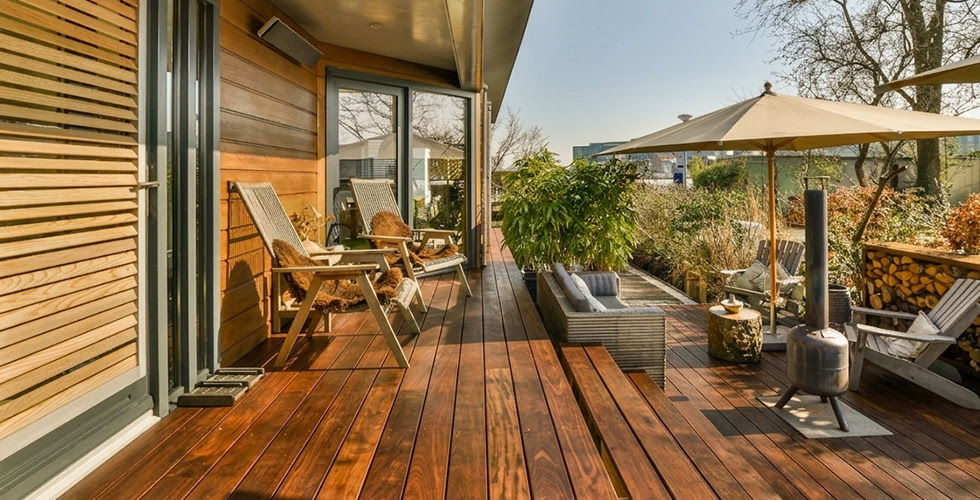
Teak is much easier to maintain and repair when something does eventually go wrong with it. Raw hardness is only part of the story here, and in my experience, true long-term durability is about both of them.
For a deck in LA specifically, both woods hold up well against the sun and dry heat, so climate alone isn’t what’s going to separate them. The better question is which tradeoffs make sense for your project. You might want a wood that’s almost indestructible - even if it takes a bit more effort and money to install. Or you might like something a little more forgiving to work with, with a lifespan that still holds up over decades. Either one is a great option - it just depends on what matters most to you.
What Your New LA Deck Will Cost
Price is usually the first question that comes up with these two woods, and understandably so - ipe and teak sit in very different price brackets. Ipe runs anywhere from $8 to $15 per linear foot. But teak can run $20, $35 or higher. On a deck of any decent size in Los Angeles, that price gap starts to mean money.
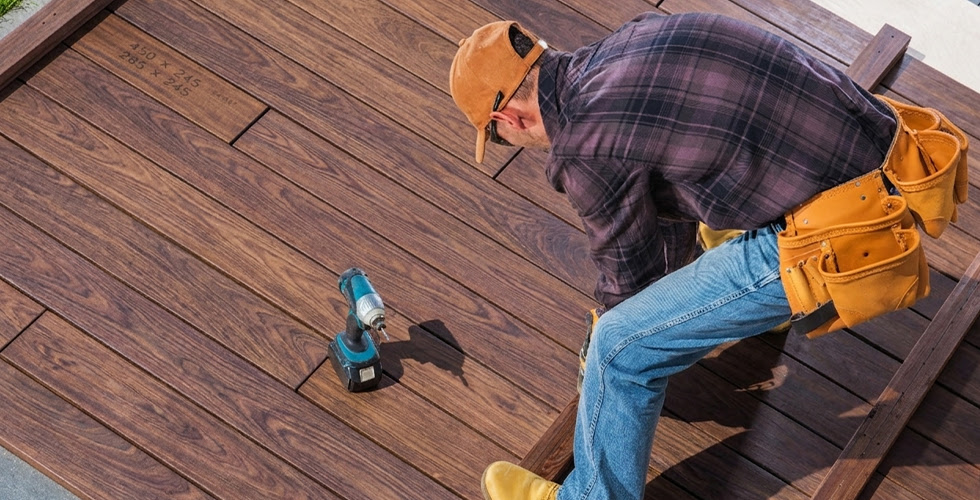
The material cost is only the start of the conversation. Ipe is a very dense wood (denser than most anything else that you’d use for decking). That density makes it harder to cut and fasten on-site. Your crew will put in more hours with it, and those extra labor costs can pull the total price of both options much closer together.
Maintenance is the other line item worth adding to your budget. Both woods are long-term investments, though neither one is maintenance-free. Teak needs to be oiled every now and then to hold its color. Ipe will do better with the same treatment to keep the surface from cracking over time. Left untreated, either one will slowly fade to a silvery gray, which plenty of homeowners actually like.
At the lumber yard, teak can run 2 to 3 times more per linear foot than ipe. Ipe does make up some of that gap on the labor side. The installation costs more. On a bigger decking project, that difference can climb well into the thousands of dollars. Factoring in about 20 years’ worth of maintenance for both, the total cost of each option tends to land much closer together.
Before making a final call, ask for a full cost rundown for your project - it’s well worth the effort.
What Each Wood Needs From You
Teak and ipe are legitimately tough woods, and either one will last for decades as a deck. The actual difference between them comes after the build - each one will ask something very different from you once it’s in place.
Teak is the more forgiving of the two woods, and it’s not even close. Miss a season of sealing, and it’ll just gray out on the surface - no big damage and no drama. A little restoration work later, and it’ll look great again without a whole lot of effort on your part.
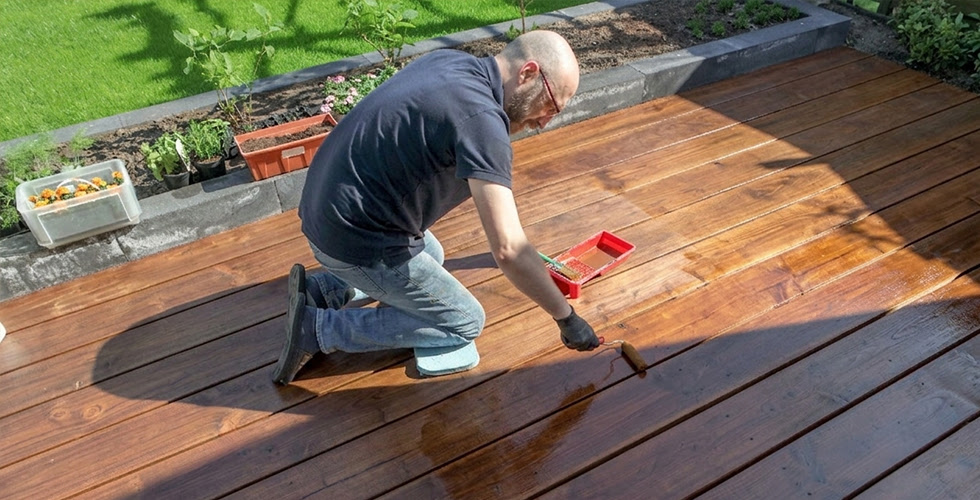
Plenty of LA homeowners want a deck that holds up beautifully year after year without having to always stay on top of it, which is a fair expectation to have. Teak will get you much closer to that goal, mostly because it tolerates a bit of neglect much better than ipe ever will.
Commit to oiling and sealing your deck on schedule every year without fail, and ipe does reward that dedication. The surface stays dense and rich, and it holds up extremely well in the LA heat. Ipe doesn’t forgive missed maintenance the way teak does - even one skipped season can start to show on the surface. For everyone else (the ones whose home maintenance projects always seem to drift more and more into “I’ll get around to it” territory), teak is the much wiser call. It’s a bit more forgiving when life gets in the way, and your deck won’t look like it paid the price for it.
Green Rules for Wood in LA
Teak and ipe come from tropical forests that have seen heavy harvest pressure over the years, and for anyone who wants to build responsibly in Los Angeles, that backstory matters.
FSC certification is probably the most reliable way to verify that your wood was harvested with accountability behind it. You can follow the full chain of custody instead of taking them at their word, since the Forest Stewardship Council traces the timber from the forest floor to the supplier. Not every supplier carries certified stock (that’s a fair point), but quite a few of them do, and it’s worth the extra effort to track one down.
For LA specifically, it can get very real and very fast. More and more neighborhoods in the city have green building expectations baked into the local culture - and in some cases into local code. Uncertified tropical hardwood will surface at the worst possible time in your project timeline if you plan to sell your home or pull permits for a deck build.
The best place to start is to ask your supplier directly where the wood came from and whether they have any documentation to back it up. A reliable supplier will have those answers ready and won’t need to look them up. If they get evasive or seem annoyed by the question, that reaction alone tells you quite a bit about the supplier.
None of this needs to feel like a political statement or some activist checklist. At its core, it’s just one more detail to take care of - it protects your investment, your project’s standing with the city and sets you up for a much easier conversation with your neighbors when the time comes.
Fire Safe Deck Materials for Your LA Home
For most homeowners, wildfire season is background noise - a distant concern that doesn’t feel very personal. It’s a genuine part of day-to-day life in Los Angeles, and it ends up driving so many decisions that you’d never associate with fire danger, right down to what materials go into an outdoor deck.
Teak and ipe are extremely dense hardwoods, and their density alone gives them an advantage over softer wood species in wildfire-prone areas. Dense wood takes much longer to ignite, and it’s far less likely to catch a stray ember and hold onto it - which is a big deal in a city where dry Santa Ana winds can carry those embers in from miles away.
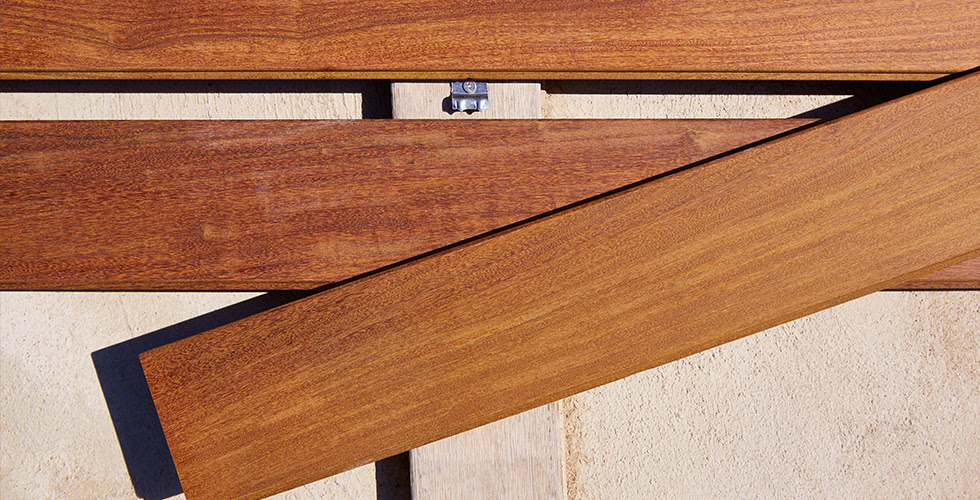
Local codes are where it gets a bit more involved. Many neighborhoods in Los Angeles fall within the designated “Very High Fire Hazard Severity Zones,” and each area can have its own restrictions on which materials are allowed in outdoor structures. A wood that passes a standard fire test just fine might not qualify under the stricter standards for your particular street or hillside.
A quick call to your local building department (before going with either material) is well worth your time. The staff there can fill you in on the fire-rated standards that apply to your property and tell you whether either wood actually qualifies. Ipe’s density does give it a natural edge on this front. But no untreated wood is ever going to be fireproof. For homeowners in higher-danger zones, fire-retardant treatments and fire-resistant wood species are worth asking about as an added layer of protection - it’s a conversation to bring up with your contractor as early as possible.
Other Woods That Might Be a Better Fit
Teak and ipe are great options and well worth a look - but the list doesn’t stop there. A handful of other woods are out there that might actually be a better fit for your project.
Cumaru is a wood that doesn’t get nearly enough credit. For hardness and durability, it’s right up there with ipe, and it tends to carry a much friendlier price tag. For anyone who’s watching their budget but still wants a high-performing wood, cumaru is worth a look. It’s also pretty easy to find through hardwood suppliers, which makes it a helpful choice if you’re trying to stay on schedule.
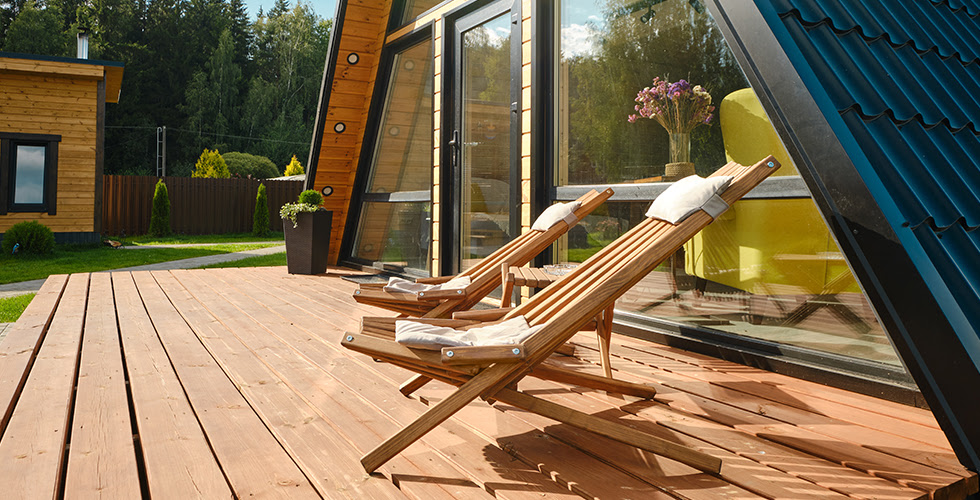
Thermally modified wood is also a strong option, and it’s a great fit for anyone who puts sustainability near the top of their list. The process uses heat to change the wood’s structure from the inside out, which makes it more stable and resistant to moisture with zero chemicals involved - and it doesn’t get nearly as much attention as some of the bigger names out there. But the more you learn about it, the more it starts to make sense - it also tends to hold up well over time without maintenance, which is worth factoring in depending on where and how you’re looking to use it.
None of that’s meant to walk anything back. Teak and ipe are still two of the best hardwood options out there - full stop. A bit more of the bigger picture just makes it that much easier to land on the right choice for your situation. The goal is always to line up the right material with the right project - it’s a bit easier to have more to choose from.
Build Something Extraordinary
Everything we’ve walked through (your budget, how much maintenance you’ll realistically put up with, where your wood comes from and how your neighborhood’s fire conditions play into your decision) - those are the right factors to think through before you settle on anything. No two LA homeowners are going to need the same deck - that’s perfectly fine. The best fit does depend on your yard, your neighborhood and the way you live. A homeowner who oils their deck every spring and wants the most long-term wood that money can buy will land somewhere very different than one who just wants a beautiful and low-maintenance deck that can shake off a missed season or two. Neither one is a wrong answer - it just depends on what works for your life.
The whole point of all this is that you walk away confident in your choice - without second thoughts a week later. At this point, you have a much better picture of what each wood brings to a deck and where each one tends to come up short. That alone puts you in a much better position for a conversation with a supplier or a contractor - one where you can ask the right questions and make sense of the answers.
Our team at House of Hardwood has spent years helping LA homeowners, contractors, and designers work through decisions just like these - and we do love it. We carry a wide set of premium hardwoods, and we’re always happy to talk through a project like yours - your property, your neighborhood and what’s actually going to hold up and look right for where you live. Come by and see our yard on Wellesley Ave. or give us a call. We’d love to be part of something that you’ll be proud of.