
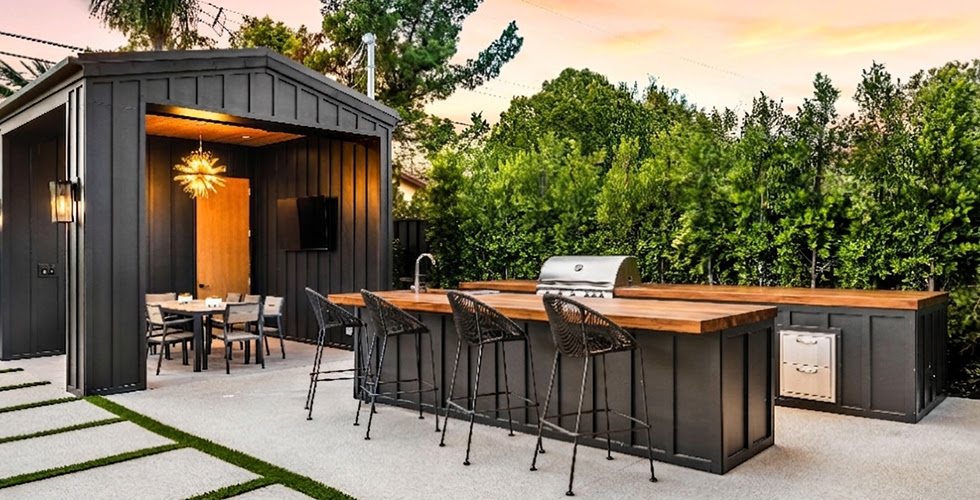
An outdoor kitchen in Southern California is a long-term investment, and the countertop material is probably the biggest call that you’ll make during the whole build. Wood is still one of the most popular options for outdoor counters (with a warmth and character that stone and concrete just can’t replicate), but not every species holds up the same way outdoors, and the wrong choice can turn a beautiful build into an expensive repair job within a season or two.
Wood knowledge from an indoor kitchen project doesn’t automatically carry over to outdoor work. A species that performs just fine inside can crack, gray out and split pretty fast once it’s up against the full sun and SoCal’s brutal dry seasons. That knowledge gap tends to steer projects in the wrong direction before a single board ever goes down, and by the time the damage shows up, the whole project is already in bad shape.
SoCal’s climate is actually harder on outdoor materials than most other regions in the country. The UV exposure alone breaks down finishes at a punishing rate, and the seasonal wet-dry cycle that this region goes through puts stress on wood that plenty of species just can’t take. A wood rated as “outdoor safe” somewhere like the Pacific Northwest can fall apart fast out here within a single year.
The right choice from the start will protect your investment and cut way down on maintenance over the years. A handful of species hold up quite well in this climate, and once you know what to look for, the choice gets a whole lot easier!
Let’s find the perfect wood to bring your outdoor kitchen vision to life!
Why SoCal Weather Is So Hard on Wood
Southern California is a wonderful place to cook outside - and at the same time, it’s a pretty rough environment for any wood that’s left unprotected. The sun is intense, and UV exposure alone can bleach and break down a wood surface fast.
Low humidity is another enemy working against you. Wood always expands and contracts as moisture levels change. In SoCal, the air tends to stay pretty dry for long stretches at a time. That back and forth is what eventually gives you cracks and splits.
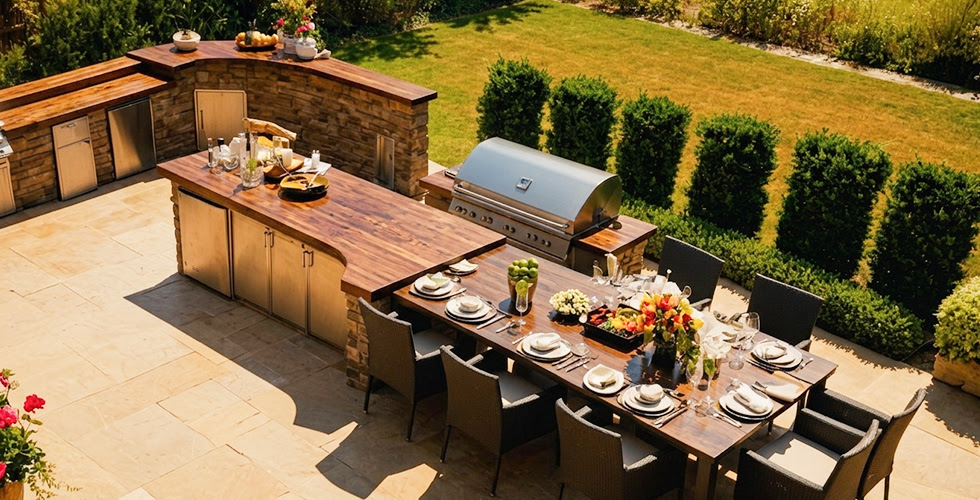
Then there are the Santa Ana winds - they come in fast and hot and dry and strip even more of the moisture out of everything in their path. A countertop that’s already been through a dry summer doesn’t have much left to give, and a strong Santa Ana can be what finally tips it over. Inland areas like the Inland Empire and the high desert get the worst of it - coastal areas like Malibu or Long Beach have it a bit easier. A wood countertop that’s installed in the spring can look barely recognizable by late fall - gray and weathered, splintered at the edges, with hairline cracks spread right across the grain. The timeline alone does tell you everything. It’s not a coincidence, and it’s not bad luck - the local climate does what it always does.
Coastal areas do have more forgiving conditions - a bit more humidity and milder temperatures that hold pretty steady throughout the year. Salt air is still a concern along the coast, though - it works on wood finishes in this persistent way and eats right through them over time. No corner of Southern California is especially gentle on outdoor materials, and that’s exactly why the wood species that you go with really matters.
Why Teak is the Best Outdoor Wood
Teak has been the material that boat builders have turned to for centuries. That track record alone says quite a bit about what it’s able to manage. Saltwater, relentless sun and steady moisture are no match for it. An outdoor kitchen in Southern California deals with more or less the same conditions, which is a big part of why teak fits well in that environment.
A big part of what makes teak hold up well is the oil that it produces on its own. That oil acts as a built-in barrier against moisture, and it also keeps the wood from warping as temperatures rise and fall throughout the day. For a countertop that sits in direct sunlight all day, that level of stability is pretty rare in other wood species.
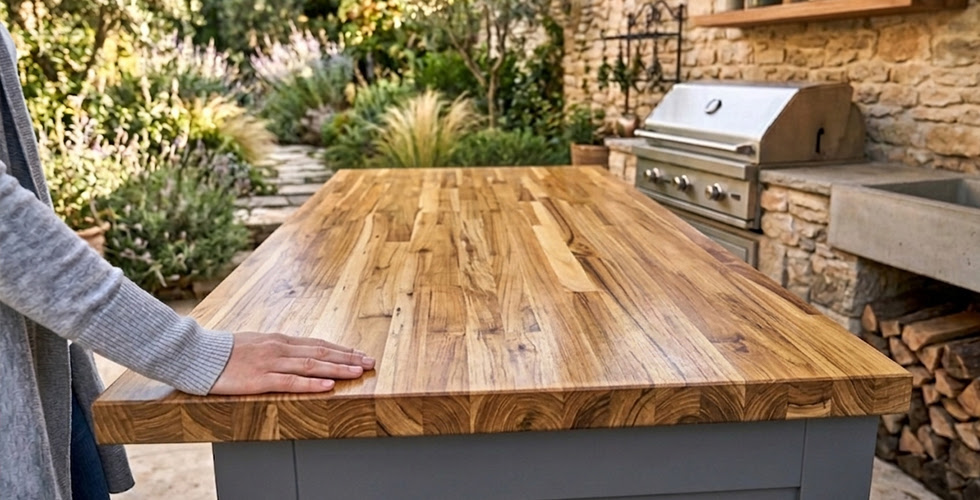
UV exposure is one of the harder factors to plan around when you’re doing an outdoor build. Teak does well in direct sunlight - it doesn’t break down in the way softer woods do. Left untreated, it will slowly fade to a silver-gray color over time. But that’s a purely cosmetic change. The wood underneath stays just as strong and sturdy as it ever was. Plenty of homeowners actually love that weathered look, so bare wood is a perfectly valid option.
Teak also holds up remarkably well against the day-to-day wear that kitchen countertops take - water rings, spills and the heat from hot pots and pans left sitting on the surface. It’s a dense hardwood, so it won’t dent or scratch nearly as easily as softer options will. For a countertop that’s going to see standard use year after year, that extra hardness does help.
Teak also doesn’t need much to stay in great shape. An oil treatment every now and then will keep it looking its best. But even if you skip that, it holds up just fine on its own. For a wood that takes on the weather, heat, moisture and day-to-day wear all at once, the minimal care it needs is one of the best parts about it. If you’re also considering teak for a deck or pergola, it’s worth reading up on how teak compares to ipe for outdoor projects.
Ipe Holds Up Well in the Sun
Ipe is one of the densest hardwoods on the market, and the density is the whole point of it. It’s hard enough to resist rot, insects and surface damage on its own with very little help from any sealers or treatments - and for a countertop material, that’s pretty rare to be able to say.
That hardness does have a trade-off, though. Ipe is pretty hard to cut and shape (more so than most other wood species), and you’ll need the right tools just to get through the installation, which can add a fair bit to the project. It’s also an extremely dense and heavy wood, and the weight matters quite a bit if you’re planning a countertop. The base underneath it needs to be sturdy and well-supported, so it’s a great idea to talk through the structural side of the project before your build gets underway.
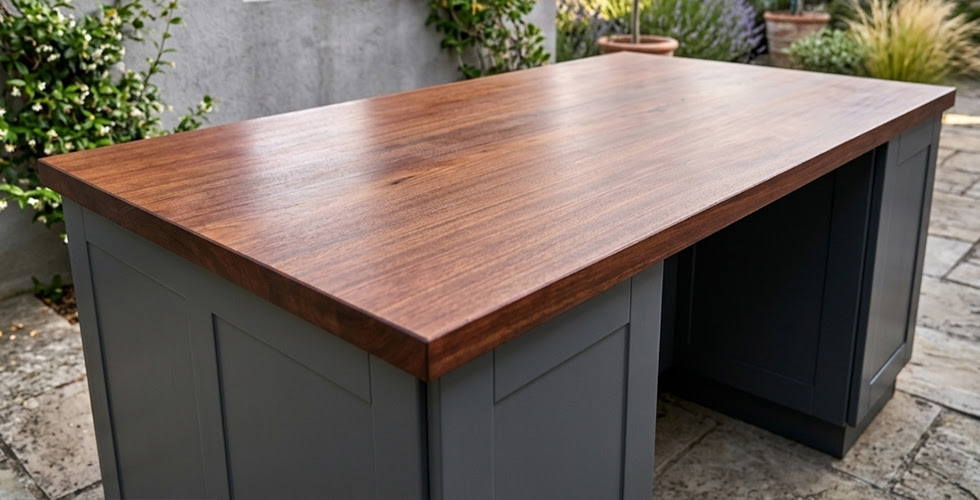
Sustainability matters with ipe - it comes from South American rainforests, and not every supplier out there harvests it responsibly. For buyers, that matters - and if it matters to you, a little extra research to find a supplier with certified and traceable wood is well worth doing.
Ipe has more than earned its reputation as one of the more heavy-duty and long-term countertop materials out there - very few woods can match it on raw durability. The trade-off is that it does ask a little more of you during installation and standard care than most other hardwoods will. For the right project with the right setup, though, the payoff is well worth it. If you’re also considering ipe for decking or other lumber applications, it performs just as impressively outdoors.
The Soft Woods That Won’t Last Outside
Cedar has a well-earned reputation as an outdoor wood - fences, decks and siding all make perfect sense. A countertop is a whole other matter, though. The direct sun, cooking heat, food spills and day-in, day-out contact are all conditions a fence post will never have to deal with.
Cedar and pine are far too porous to hold up well to that sort of use. Oils, sauces and moisture get absorbed fast, and stains go deep into the grain before there’s even a chance to clean it up - which is exactly what you don’t want on any surface that touches your food.
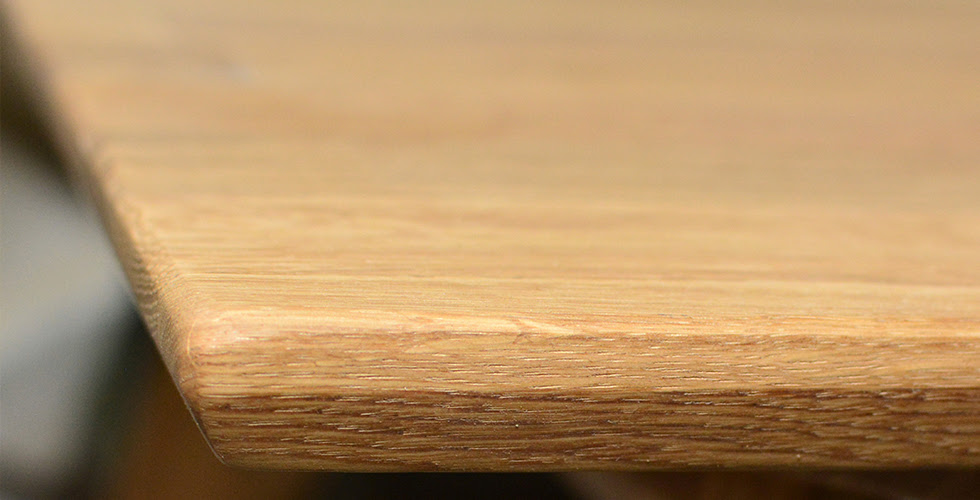
The heat makes this worse. SoCal summers can drive outdoor surface temperatures high enough that softer woods start to dry out and crack in a pretty short amount of time. And since softer woods are also less dense, they dent and gouge pretty easily - especially around a grill or prep station where there’s non-stop movement from tools and heavy pots.
Cedar is legitimately a great wood for plenty of outdoor applications - that much is true. The issue is that those outdoor applications don’t put it through the same day-to-day stress as a kitchen countertop does. A hot pan, some citrus juice or a few swipes of a knife - and cedar’s weaknesses will start to come out pretty fast. Pine is even softer, and it holds up even less. If the natural look or the lower price drew you to one of these woods, that’s not a bad place to start - but those cost savings look much smaller once you’re a few years in.
Coastal and Inland Wood Have Different Needs
Your exact location in Southern California makes a much bigger difference. A countertop installed in Manhattan Beach and one installed in Rancho Cucamonga are technically “outdoors in SoCal” on paper. But those two locations don’t have much in common as far as climate and environment go.
If your countertop is near the coast, salt air will be quite a headache to plan around. Salt wears down the wood fibers and finishes at a much faster rate than standard air does, so a countertop near the water is already working against harsher conditions than one sitting inland. Coastal humidity also runs higher, and that means the wood tends to pull in moisture and push it back out on a pretty steady cycle all year long.
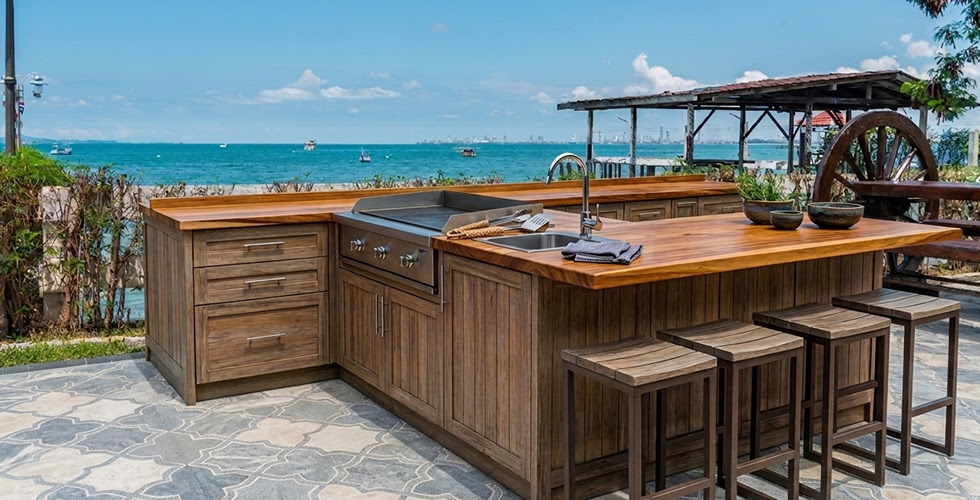
Inland valleys like the San Fernando or Coachella are a different situation altogether. The heat out there gets extreme, and unlike the coast, the air is dry - bone dry. The wood loses moisture fast under those conditions, and when that happens too fast, it cracks and splits well before it should.
Two homes that are just 30 miles apart might actually need two quite different care routines. A wood species that holds up beautifully in a Malibu backyard might not do nearly as well in a Temecula one, so it’s worth figuring out what your own yard puts your countertop through each season.
How your outdoor space is set up and positioned plays a big part in this. A covered patio will shade the wood from direct sun and block most of the wind-driven debris that an open rooftop setup would catch. The microclimate right around your home (the small-scale environment your property sits in) can matter just as much as the regional climate does.
Why a Regular Oil Schedule Matters
Wood countertops need standard care to stay in great shape - it’s not a one-time job, and a schedule is what helps them look nice for years. The good news is that the maintenance itself is pretty easy once you know what you’re working with.
For outdoor wood surfaces, pure tung oil and food-grade mineral oil are two of the most trusted food-safe finishes out there. And if a little extra surface protection sounds right without giving up that natural wood look, hardwax oils are a great option to add to your list as well. They work between a penetrating oil and a surface finish, so you get some added durability with a finish that still looks like natural wood.
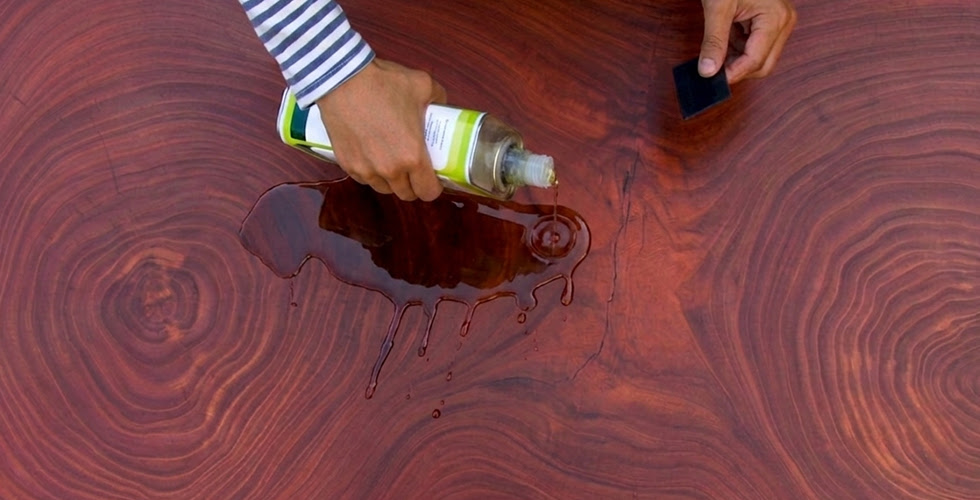
A great guideline is to reapply oil or sealant at least every 6 to 12 months. Farther inland, where summers run hot and the air gets pretty dry, every 4 to 6 months is probably more like it. The wood tends to lose its moisture much faster in those conditions - and when it does, you’ll see it pretty fast in the feel and color of your countertop. A surface that looked smooth and rich one season can start to look dry and worn the next if it doesn’t get the attention it needs.
Skip a few maintenance sessions, and the surface can go downhill pretty fast. A quick wipe-down with oil 2 or 3 times a year is one of the simplest steps that you can take to protect your investment - it doesn’t take long, and it matters over time.
Is Wood Safe Near a Grill?
Raw meat is the biggest concern with any wood surface near a grill. When you cook outside, it’s very easy to set a cutting board down or rest a plate on a nearby counter without a second thought - and the bacteria from raw meat can get directly onto the wood.
Wood is porous, which means it holds onto contaminants in a way that most other materials just won’t. A quick wipe won’t take care of it in the same way it would with other surfaces.
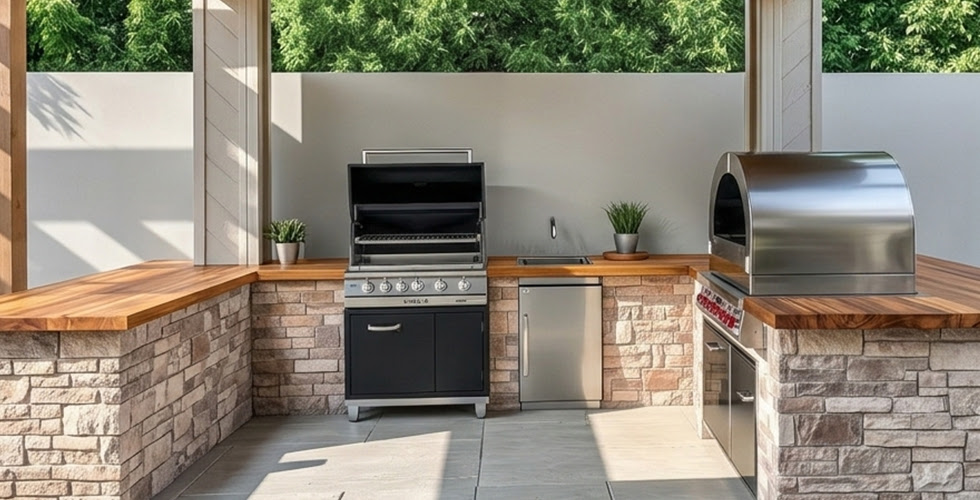
Your choice of finish matters quite a bit when food is involved. Standard sealers and stain-based finishes protect the wood from the elements well. But they were never designed to come into contact with food. Mineral oil is a whole different category - it’s food-safe, it soaks directly into the wood grain, and it doesn’t leave any toxic residue on the surface. The FDA has actually weighed in on this, and their position is that wood cutting surfaces can be sanitary. And those two words mean quite a bit - “well maintained.”
After any prep work with raw meat, wash the surface down with hot, soapy water and let it dry before your next use. It’s a small habit to work into your day, and once you get used to it, you won’t even have to worry about it.
The SoCal sun and the dry air help here - the surface dries out fast on its own. If you’re also thinking about how your outdoor setup holds up to California fire inspections, that’s worth considering when planning your space.
Build Something Extraordinary
The wood choice for an outdoor kitchen is one of those decisions with a lot going on beneath the surface. The climate where you live, how much the space gets used and the finish that you go with - it all matters. Above all else, the wood you pick is only as strong as the care that you put into it.
The reality is that once you have a feel for what your outdoor space actually puts materials through, the right wood choice gets a whole lot less confusing. No deep expertise is needed - just a little context and a reliable source for quality material.
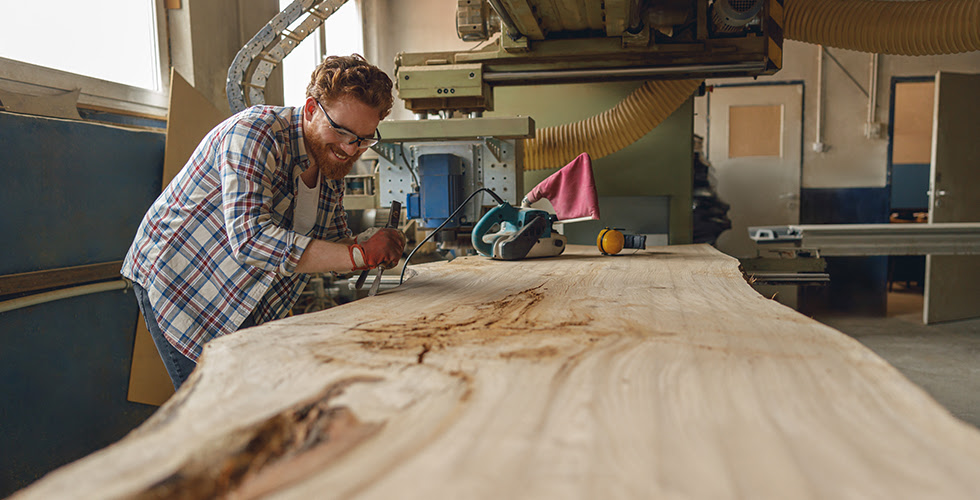
House of Hardwood is a great place to start when you’re ready to move from planning to building. Our team has worked with homeowners, contractors and designers all across Southern California, and we have a strong sense of what holds up in this climate and what doesn’t. Whether you need help picking the right species, the right cut of wood to source or just want to talk through what your project needs - we’re the type of team that takes the time to get it right alongside you.
Swing by our yard on Wellesley Ave or give us a call - it’s much easier to walk away with something that you’ll love when you have the right team in your corner from day one.